All Courses
Through this course, kids learn essential programming concepts such as sequencing, loops, conditionals, arithmetical operations, logical operations and variables. They develop computational thinking skills as they break down problems into smaller steps, plan the execution of actions, and control the behavior of their programs.
Description
Students now bring programming, electronics, sensing, motion, and mechanical construction together to enter the world of Robotics.
Instead of simply operating ready-made robots, students learn how robots are built from the inside out.
They explore every major part of a robotic system, including the Controller, Motor Drivers, Motors, Sensors, Power System, electronic connections, and mechanical structure.
Students build their robots step by step and wire the electronic systems themselves, developing a deeper understanding of how software decisions become physical movement.
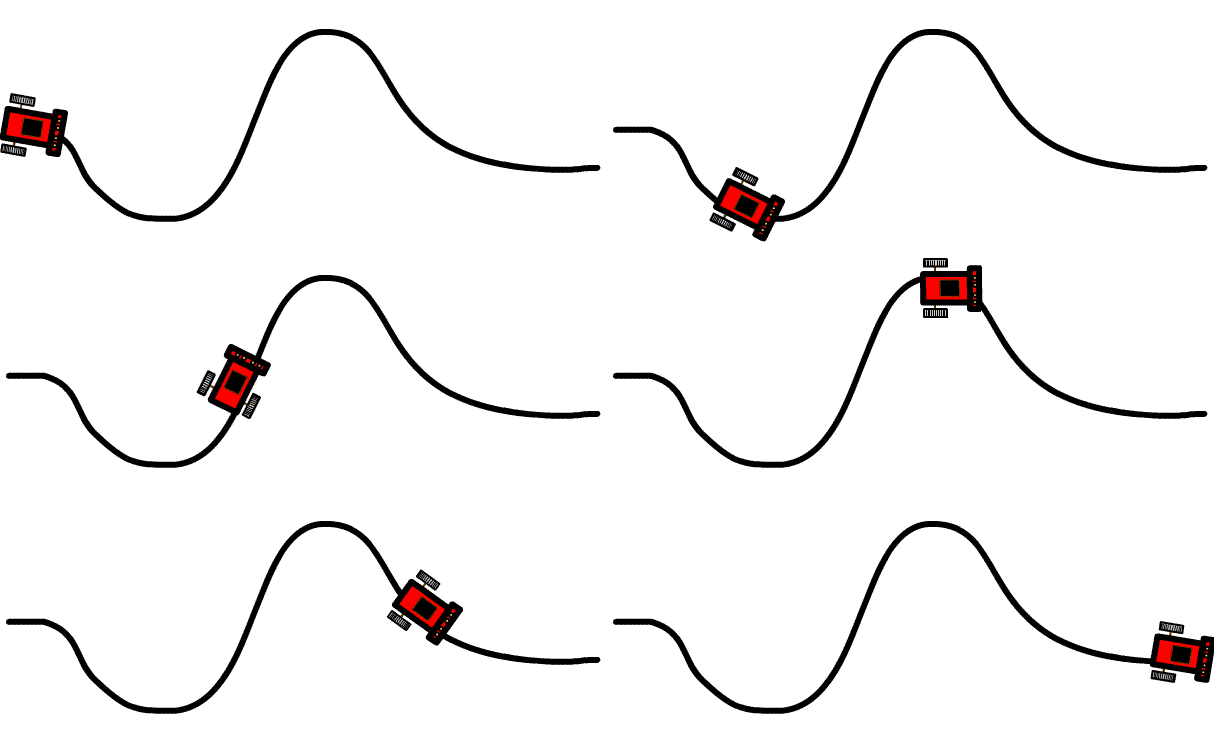
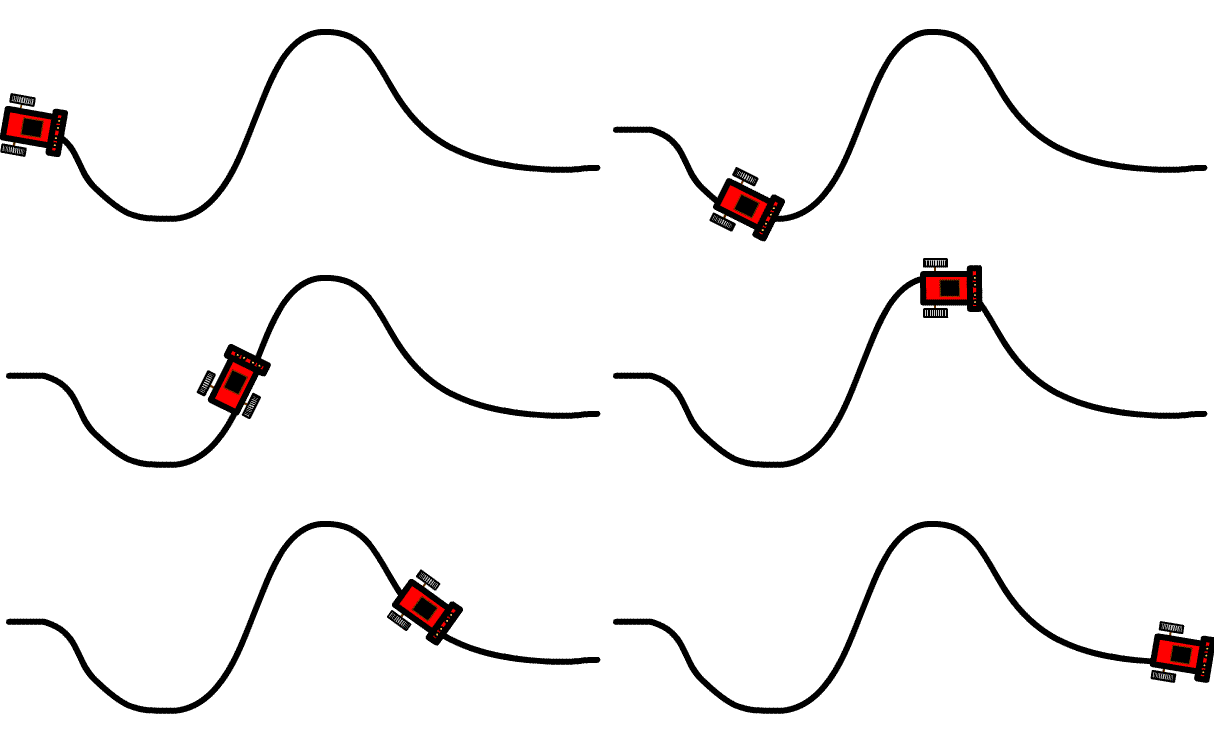
Through increasingly challenging robots, students explore Robot Motion, Navigation, Path Planning, Obstacle Avoidance, Line Following, Remote Control, and Autonomous Behavior.
Learning Objectives
By the end of the course, students will be able to:
- Understand the basic architecture of a robotic system.
- Identify the Controller, Sensors, Actuators, Power System, and Mechanical Structure of a robot.
- Understand how electronics, programming, and mechanics interact inside a robot.
- Build and wire a complete mobile robot.
- Connect Arduino to Motor Drivers and DC Motors.
- Control robot movement and direction.
- Program Forward, Backward, Left, Right, and Stop movements.
- Understand basic Differential Drive behavior.
- Control robot speed and direction.
- Understand the concept of Robot Navigation.
- Plan simple movement paths.
- Develop a Path Planning Robot.
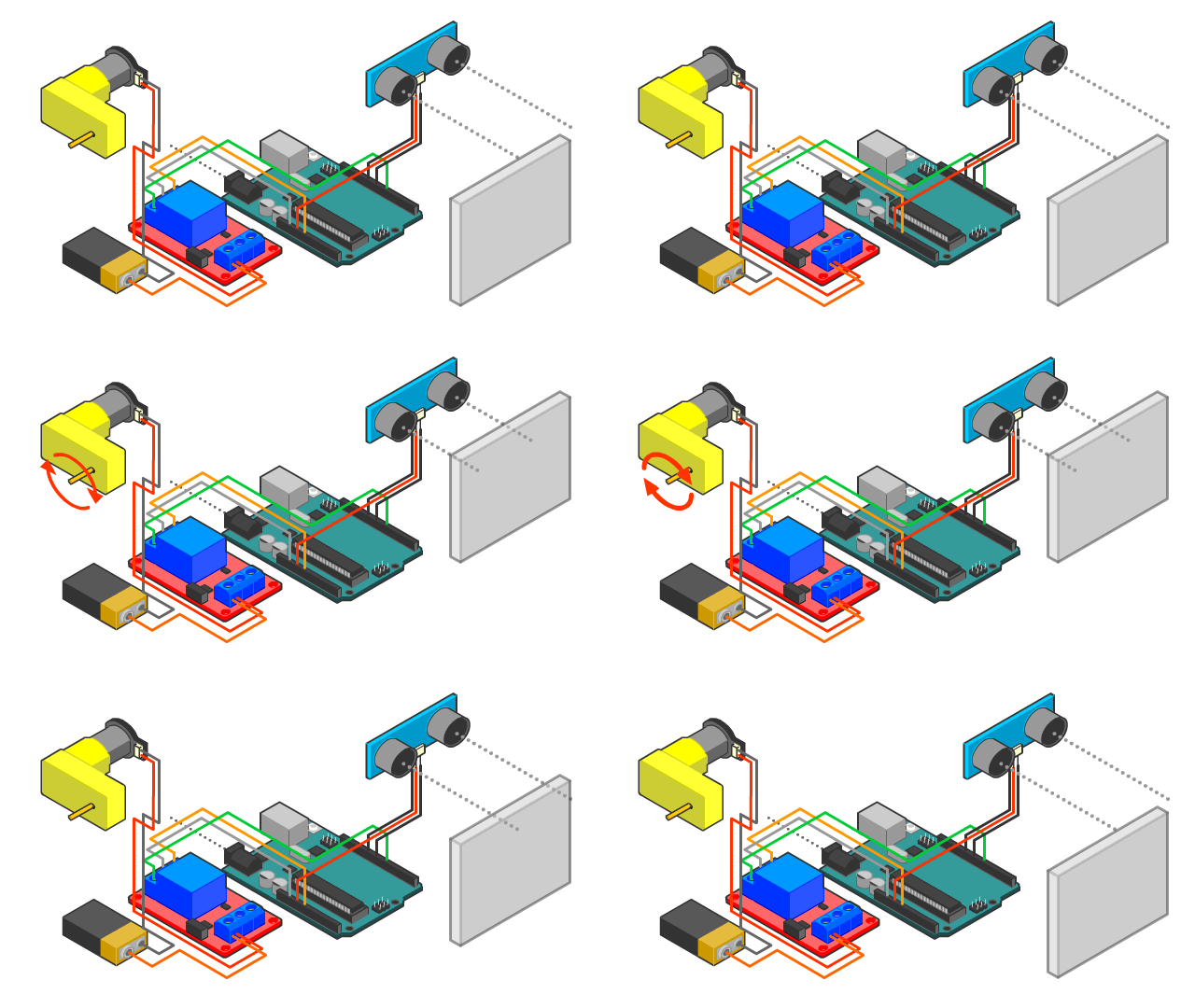
- Use Sensors to detect obstacles.
- Program autonomous Obstacle Avoidance behavior.
- Understand basic Line Detection.
- Build and tune a Line Follower Robot.
- Remotely control a robot through a Mobile Application.
- Compare Manual, Remote-Controlled, and Autonomous Robots.
- Design robots for specific tasks.
- Build a Forklift Robot.
- Build a Cleaner Robot.
- Test and troubleshoot complete robotic systems.
- Improve robot behavior through experimentation and iteration.
- Understand the basic autonomous loop of Sense → Decide → Move → Re-evaluate.
- Integrate Programming + Electronics + Sensors + Motion + Mechanics into one robotic system.
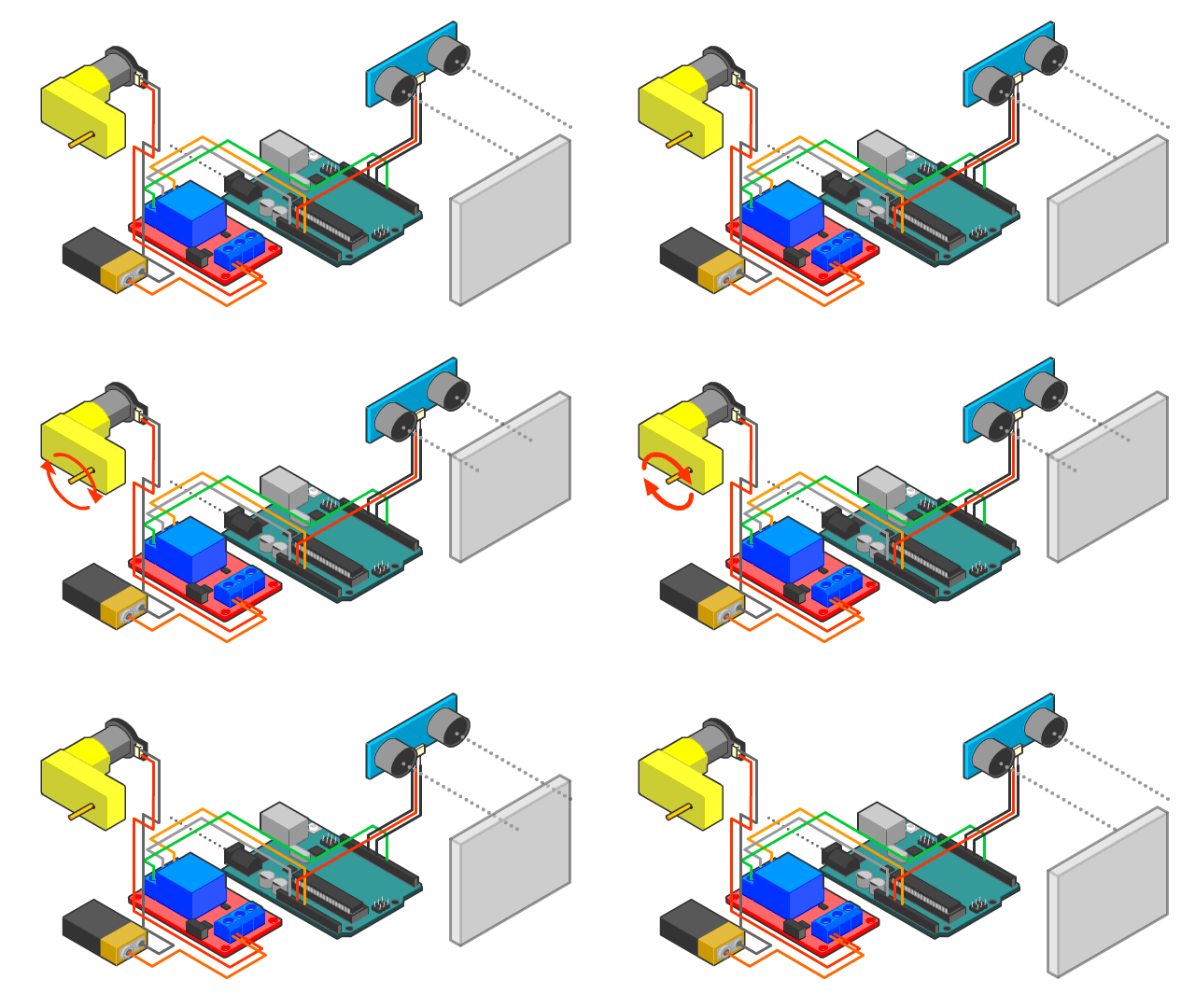
In this course, They learn to write code that controls electronic components like sensors, and Actuators. This allows them to translate the voltage signals to code responding to the inputs, display information, and control movement which makes them able to design and create the following Projects:
- Irrigation System Project
- Lightening System Project
- Laser security system project
- Fish Feeder
- Radar Project
- Smart Dustbin Project
- Smart Water Dispenser Project
- Smart Train Gate Project
Introductory Programming Courses
This course is designed to introduce students to the basics of programming using C++. It is aimed at beginners with little to no programming experience, providing a solid foundation in C++ syntax, semantics, and programming techniques. By the end of the course, students will be able to write simple to moderately complex programs in C++.
In this course, They learn to write code that controls electronic components like sensors, and Actuators. This allows them to translate the voltage signals to code responding to the inputs, display information, and control movement.
Description:
Students move from building stationary embedded systems to designing complete autonomous machines.
They explore the engineering process behind a mobile robot, starting with its mechanical structure and chassis, then designing its electronic system and robot control board, integrating motors and sensors, and finally developing the software that controls its behavior.
Students learn that a robot is not simply a collection of components. It is an integrated engineering system in which mechanics, electronics, sensing, and programming must work together.
Different robotic challenges introduce students to navigation, environmental sensing, decision-making, and autonomous behavior.
By the end of the course, students experience the complete process of turning an engineering idea into a working autonomous robot.
Learning Objectives
By the end of the course, students will be able to:
- Understand the basic architecture of a mobile robot.
- Identify the mechanical, electronic, sensing, and software subsystems of a robot.
- Understand basic principles of robot locomotion.
- Design a mechanical chassis for a mobile robot.
- Consider component placement during mechanical design.
- Select and integrate motors and wheels.
- Understand basic robot power distribution.
- Design the electronic architecture of a robot.
- Design and assemble a robot control board.
- Interface motors with motor drivers.
- Integrate different sensors into a mobile robot.
- Control robot direction and movement.
- Use sensor information to control robot behavior.
- Develop autonomous decision-making logic.
- Understand basic line-following behavior.
- Implement obstacle detection and avoidance.
- Design robot behavior according to a specific task.
- Test and troubleshoot mechanical, electronic, and software problems.
- Integrate mechanics, electronics, and programming into one complete robotic system.
Learn programming tools and fundamentals to be able to write codes for future STEM projects
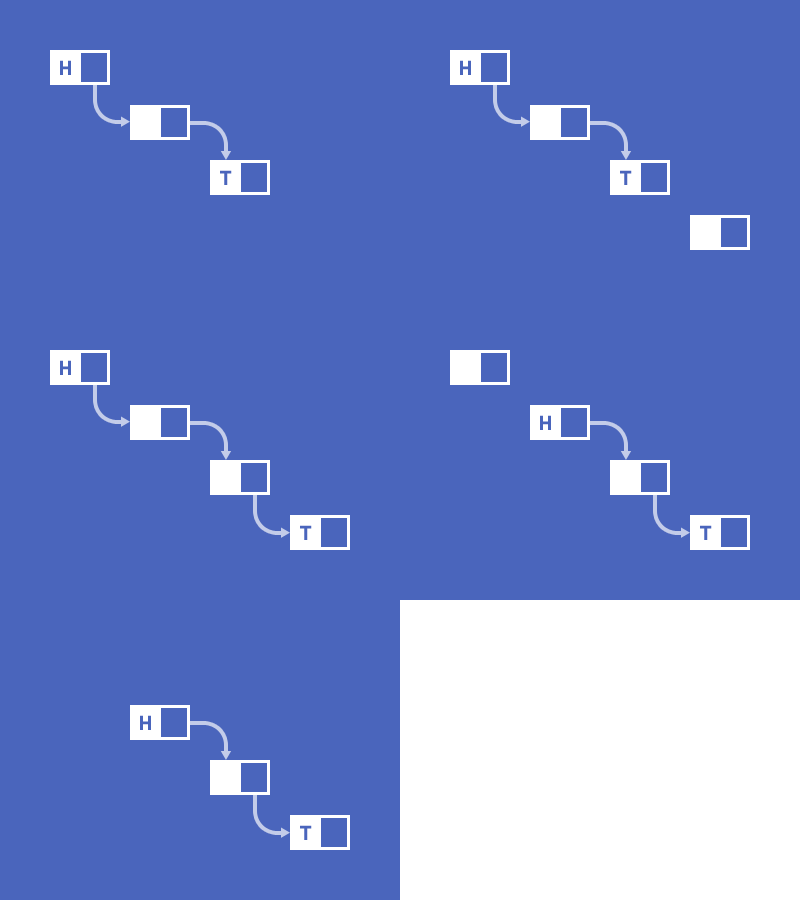
Data structure programming focuses on organizing and managing data efficiently using structures like arrays, lists, stacks, queues, and graphs. It helps optimize algorithms for tasks like searching, sorting, and mapping, forming the foundation for solving complex problems in computer science and software development.
Description
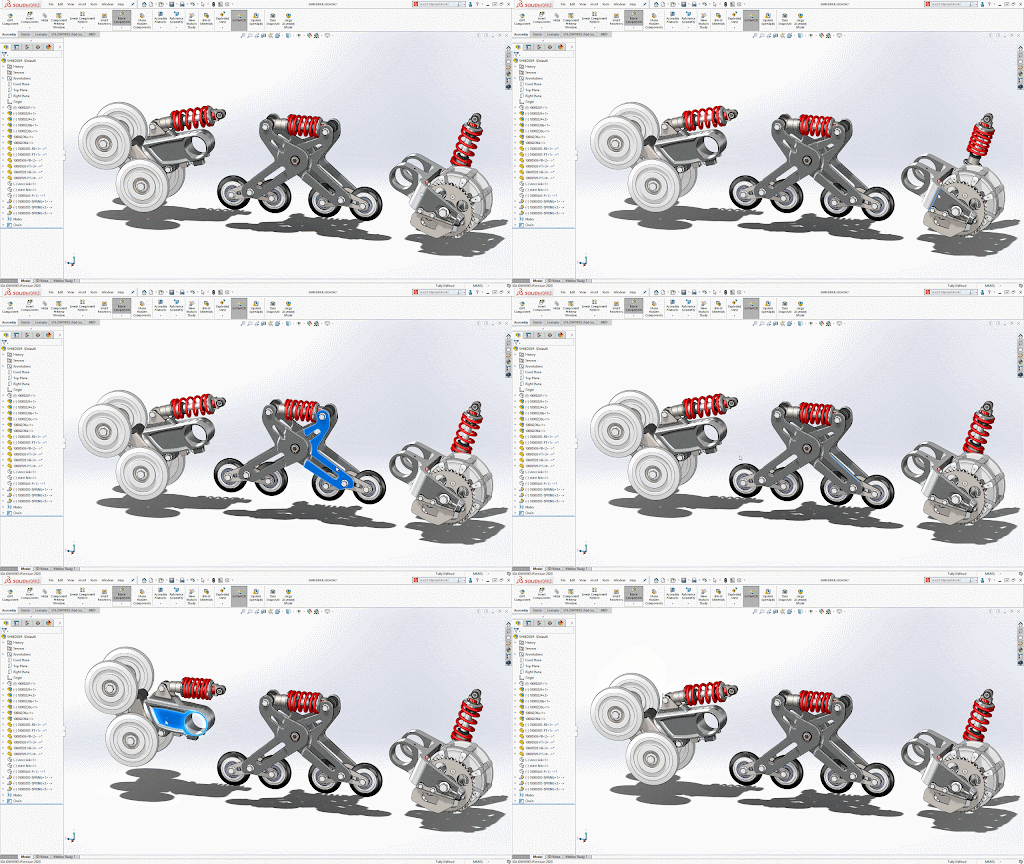
Students develop the skills required to design real mechanical parts, mechanisms, and complete machines using SolidWorks.
They learn how to analyze a mechanical part, create accurate and fully defined sketches, select the appropriate modeling features, and build professional parametric 3D models with strong Design Intent.
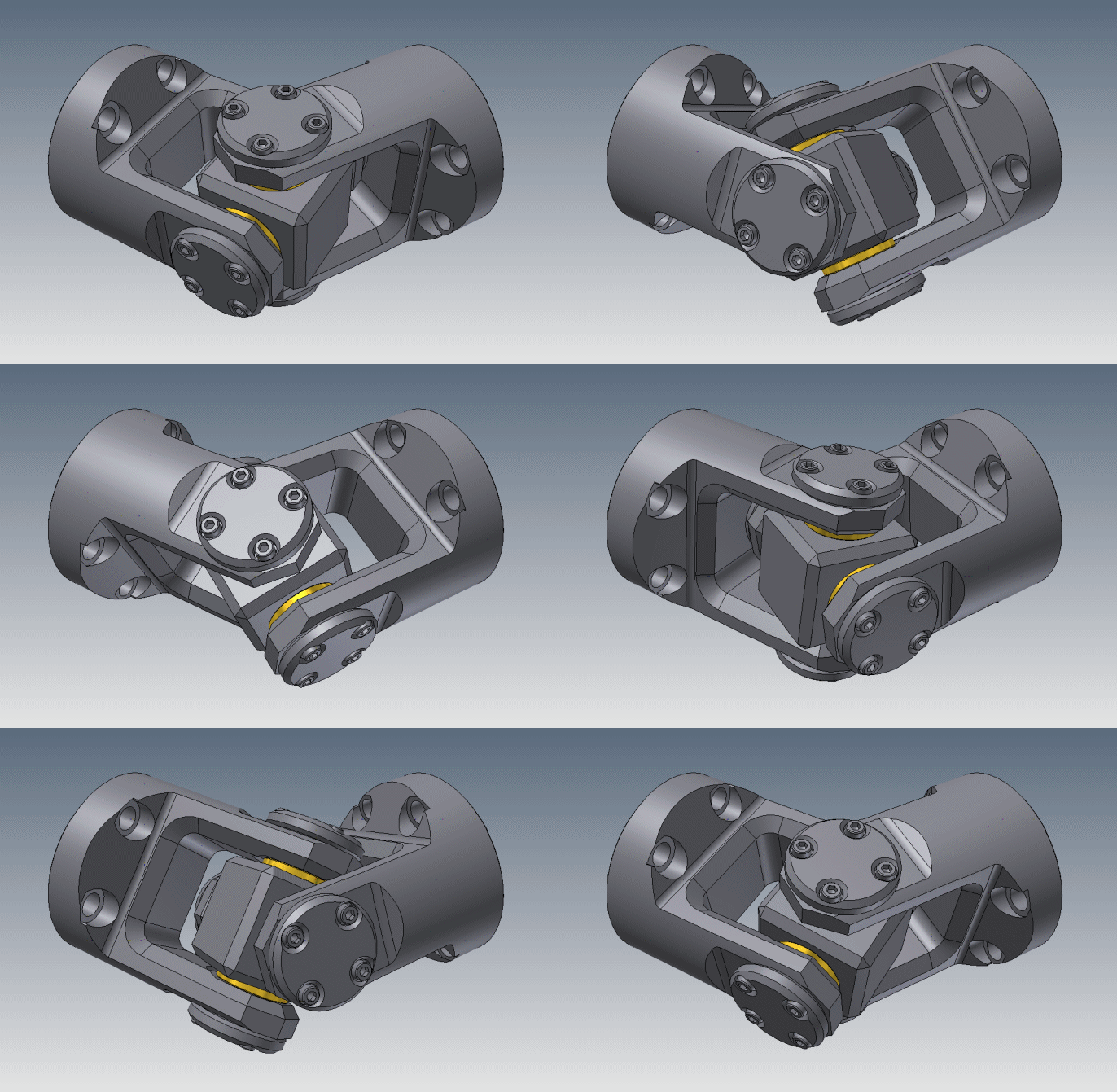
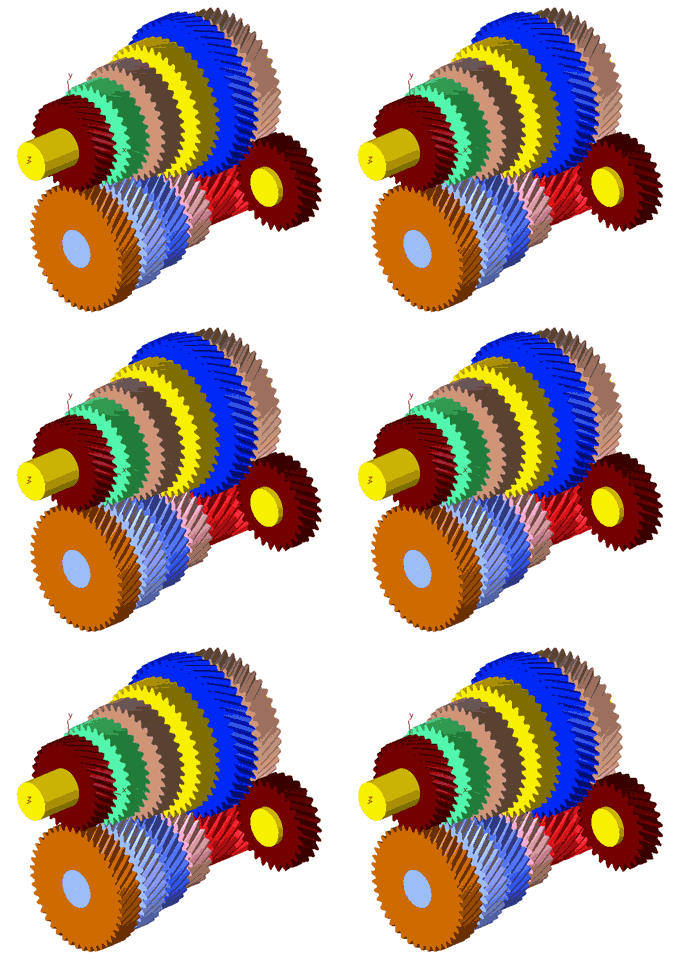
Alongside CAD skills, students explore essential machine components including Shafts, Bearings, Fasteners, Couplings, Pulleys, Belts, and Gears, understanding how these components work together to transmit motion and power inside real machines.
Students progress from individual parts to mechanisms, subassemblies, and complete machine assemblies while learning Engineering Drawing, Tolerances, Materials, Design for Manufacturing, Motion, Fits, and Assembly Design.
By the end of the course, students move beyond simply using SolidWorks tools to thinking as mechanical designers: analyzing requirements, selecting components, designing manufacturable parts, and integrating them into a complete functional machine.
Learning Objectives
By the end of the course, students will be able to:
- Understand the basic Mechanical Engineering Design Process.
- Read and interpret basic Engineering Drawings.
- Understand dimensions, measurement, tolerances, clearances, and fits.
- Analyze the geometry of a mechanical part before modeling it.
- Select the appropriate starting plane and modeling strategy for a part.
- Create accurate and Fully Defined Sketches.
- Apply geometric relations and dimensions correctly.
- Understand Parametric Modeling and Design Intent.
- Select the appropriate SolidWorks feature based on part geometry.
- Use Extrude, Cut, Revolve, Sweep, Loft, Shell, Rib, Pattern, Mirror, Fillet, Chamfer, and Hole features.
- Plan and organize a logical Feature Tree for mechanical parts.
- Design increasingly complex mechanical parts from engineering requirements.
- Measure and reverse-engineer simple physical components.
- Understand common engineering materials and their applications.
- Understand the fundamentals of 3D Printing, CNC Machining, and Laser Cutting.
- Design parts while considering real manufacturing limitations.
- Understand and design with Fasteners, Shafts, Bearings, Bushings, and Couplings.
- Understand Gears, Pulleys, Belts, and mechanical power transmission.
- Understand basic relationships between Speed, Torque, and Transmission Ratio.
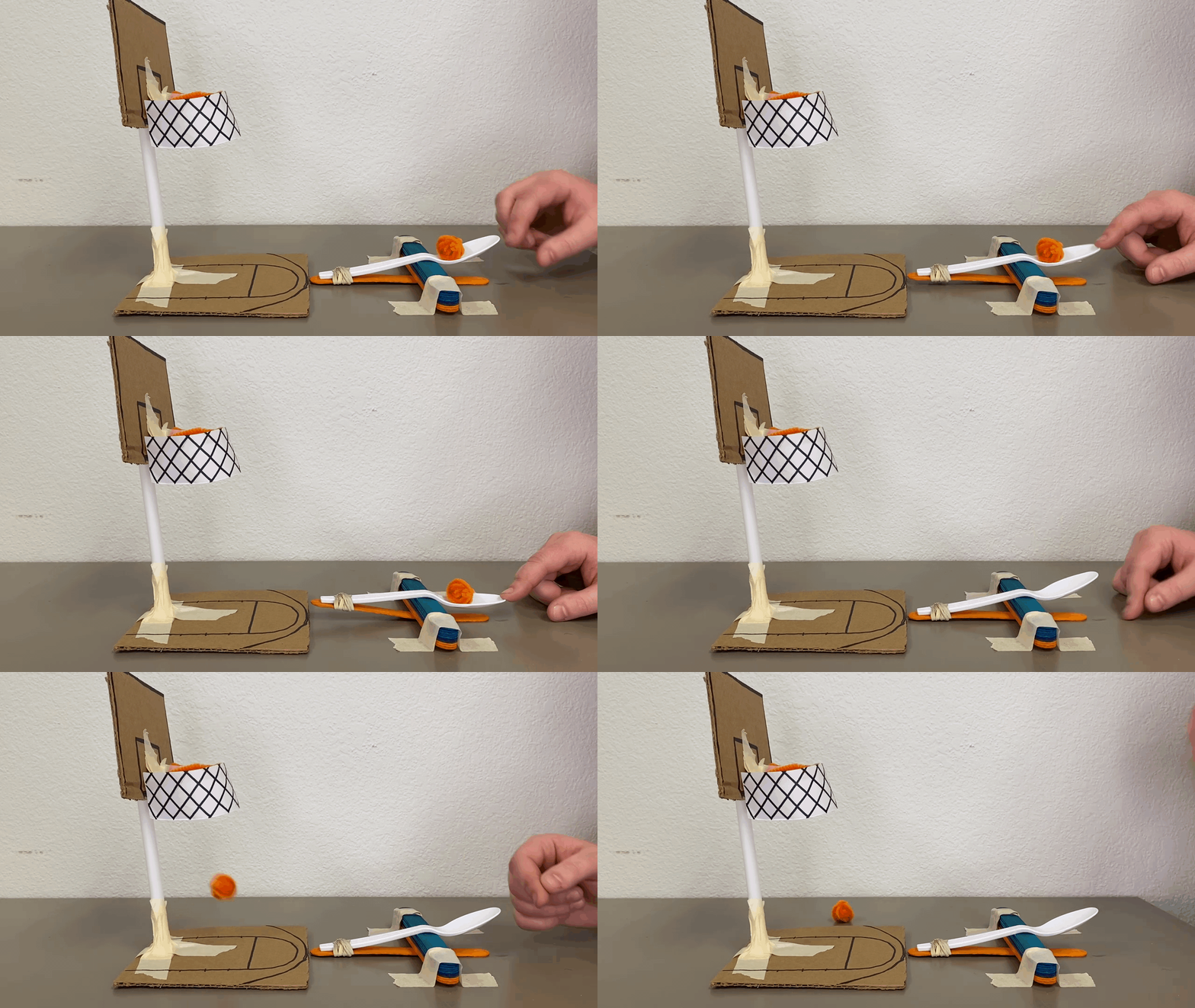
- Design simple mechanisms for transmitting and converting motion.
- Select suitable mechanical components for a machine.
- Design motor mounts, bearing supports, shafts, frames, and other functional machine parts.
- Create mechanical Subassemblies and Complete Assemblies.
- Apply SolidWorks Mates and understand Degrees of Freedom.
- Analyze mechanical motion inside an assembly.
- Detect interference, clearance, and assembly problems.
- Modify parts based on assembly and manufacturing requirements.
- Create Engineering Drawings, Exploded Views, and Bills of Materials.
- Break a complete machine into Systems, Subsystems, Components, and Parts.
- Transform engineering requirements into a complete mechanical design.
- Integrate individually designed parts and standard components into a functional machine assembly.
- Complete the engineering workflow from Requirements → Concept → Part Design → Component Selection → Assembly → Verification → Manufacturing Documentation.
These projects for kids are introducing them to advanced robotics and control systems:
- Voice-Controlled Actuators: Kids use voice commands to control motors or LEDs, learning automation.
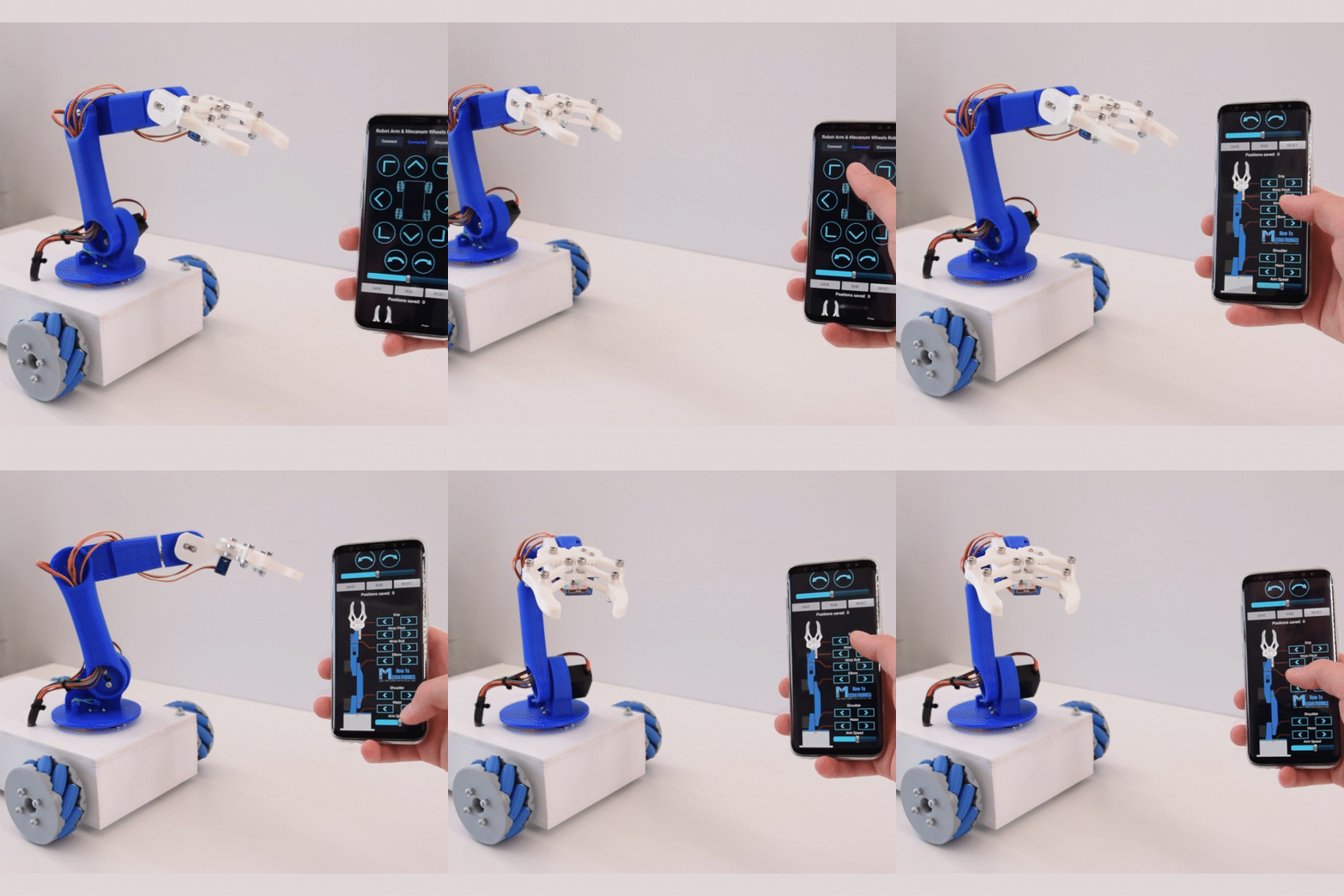
- Bluetooth-Controlled Robot: A mobile app controls a 4-wheeled robot via Bluetooth, teaching wireless communication.
- Lifter and Gripper for the Robot: Kids add a lifter and gripper to the robot, learning about robotics and motor control.
Description:
Students are introduced to Arduino as the “brain” of a smart system.
Instead of controlling projects manually, students discover how sensors allow machines to understand their surroundings and how simple programs allow the system to decide what action to take.
Many projects intentionally revisit ideas from Electronics Projects and transform them from manual systems into intelligent automated systems.
Learning Objectives
By the end of the course, students will be able to:
- Understand Arduino as a programmable controller.
- Understand the relationship between Input → Processing → Output.
- Write and modify simple Arduino programs.
- Control LEDs, buzzers, motors, and servos using code.
- Understand digital inputs and outputs at an introductory level.
- Read information from simple sensors.
- Understand the purpose of different sensors.
- Use conditions to make simple decisions.
- Understand the concept of If this happens → Do that.
- Replace manual controls with sensor-based automatic control.
- Combine a sensor, Arduino, and actuator into a complete system.
- Observe sensor readings and relate them to the physical world.
- Troubleshoot basic Arduino projects.
- Explain why a smart system behaves in a particular way.
Description
Students begin Level 3 by mastering Python, one of the most widely used programming languages in engineering, automation, data processing, Computer Vision, and Artificial Intelligence.
The course progresses from Python fundamentals into more advanced programming concepts, giving students the ability to design larger and better-organized software systems.
Students learn how to solve problems algorithmically, organize programs into functions and modules, work with different data structures, handle files and data, manage errors, and develop increasingly complex applications.
Rather than learning Python syntax alone, students learn how to use programming as an engineering problem-solving tool.
This foundation prepares them for Raspberry Pi development, Linux-based engineering systems, Computer Vision, and AI applications in the following courses.
Learning Objectives
By the end of the course, students will be able to:
- Understand Python syntax and program structure.
- Work confidently with Variables and Data Types.
- Use arithmetic, logical, and comparison operators.
- Develop decision-making logic using Conditions.
- Use For and While Loops effectively.
- Understand and use Functions.
- Work with Lists, Tuples, Sets, and Dictionaries.
- Process Strings and structured data.
- Understand program scope.
- Organize larger programs into Functions and Modules.
- Work with Files and persistent data.
- Understand basic Exception Handling.
- Use external Python Libraries.
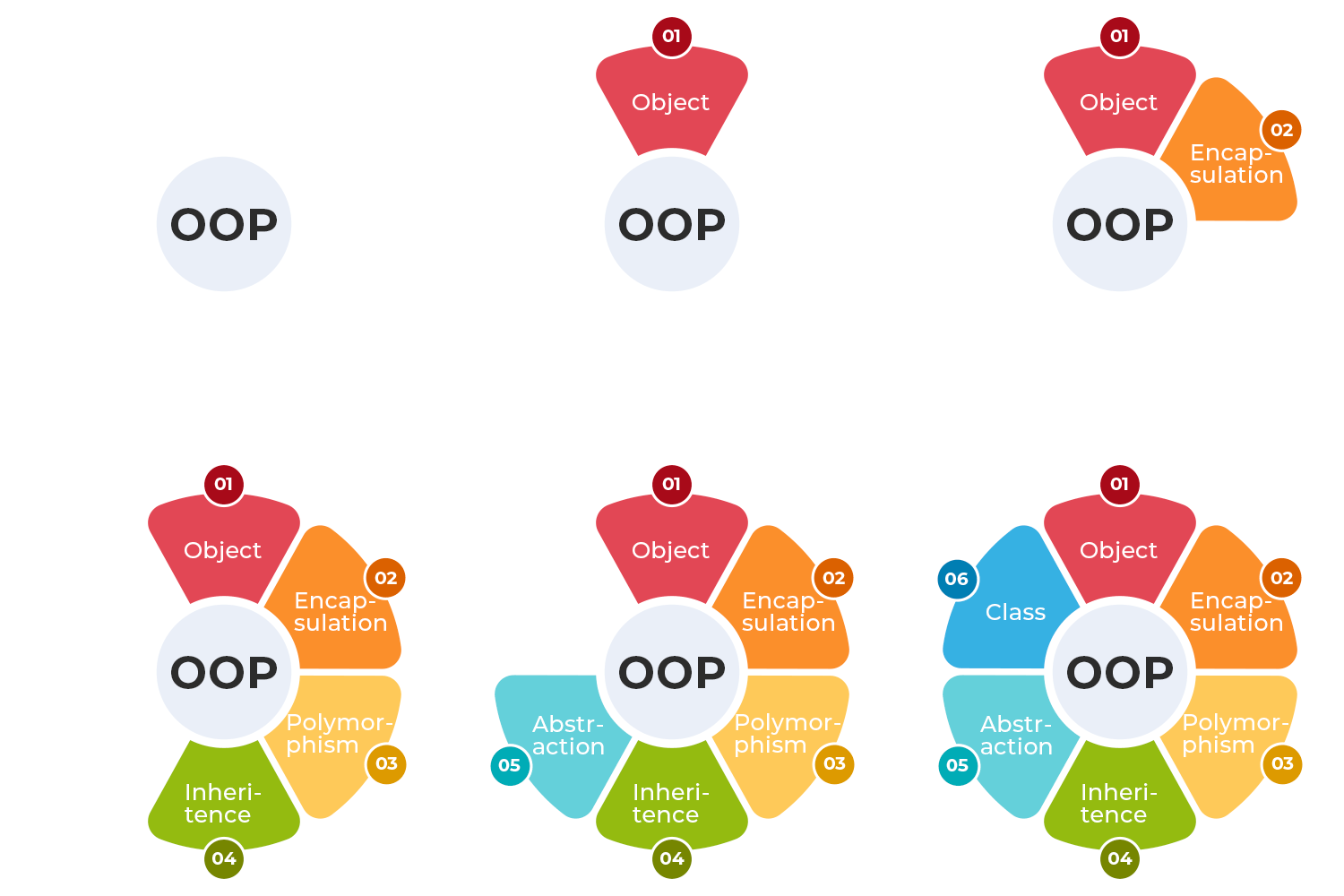
- Understand fundamental Object-Oriented Programming concepts.
- Create Classes and Objects.
- Develop structured multi-file Python applications.
- Apply algorithms to solve programming problems.
- Debug and troubleshoot Python programs.
- Read and understand library documentation.
- Prepare Python applications for engineering and AI projects.
This course, "Internet of Things (IoT) using Arduino Nano RP2040 & ESP32 on Arduino Cloud," is designed to introduce you to the world of IoT by leveraging popular microcontrollers and the Arduino Cloud platform. You'll learn how to set up, connect, and program Arduino Nano RP2040 and ESP32 to create smart devices that communicate over the internet. The course will guide you through cloud connectivity, data acquisition, and remote monitoring and control using the Arduino Cloud. You'll also work with a variety of sensors and actuators to build real-world IoT projects such as smart home automation, weather monitoring systems, and more. By the end of the course, you'll have hands-on experience with building, deploying, and managing IoT solutions, providing you with the knowledge and skills needed for IoT projects and applications.
A Python course for kids introduces them to coding in a fun and easy-to-understand way. Kids will learn the basics of Python, including variables, loops, and conditionals, through interactive projects like games and simple programs. The course focuses on hands-on learning, helping kids develop problem-solving and logical thinking skills while making coding enjoyable and engaging. Python's simplicity makes it perfect for young beginners.
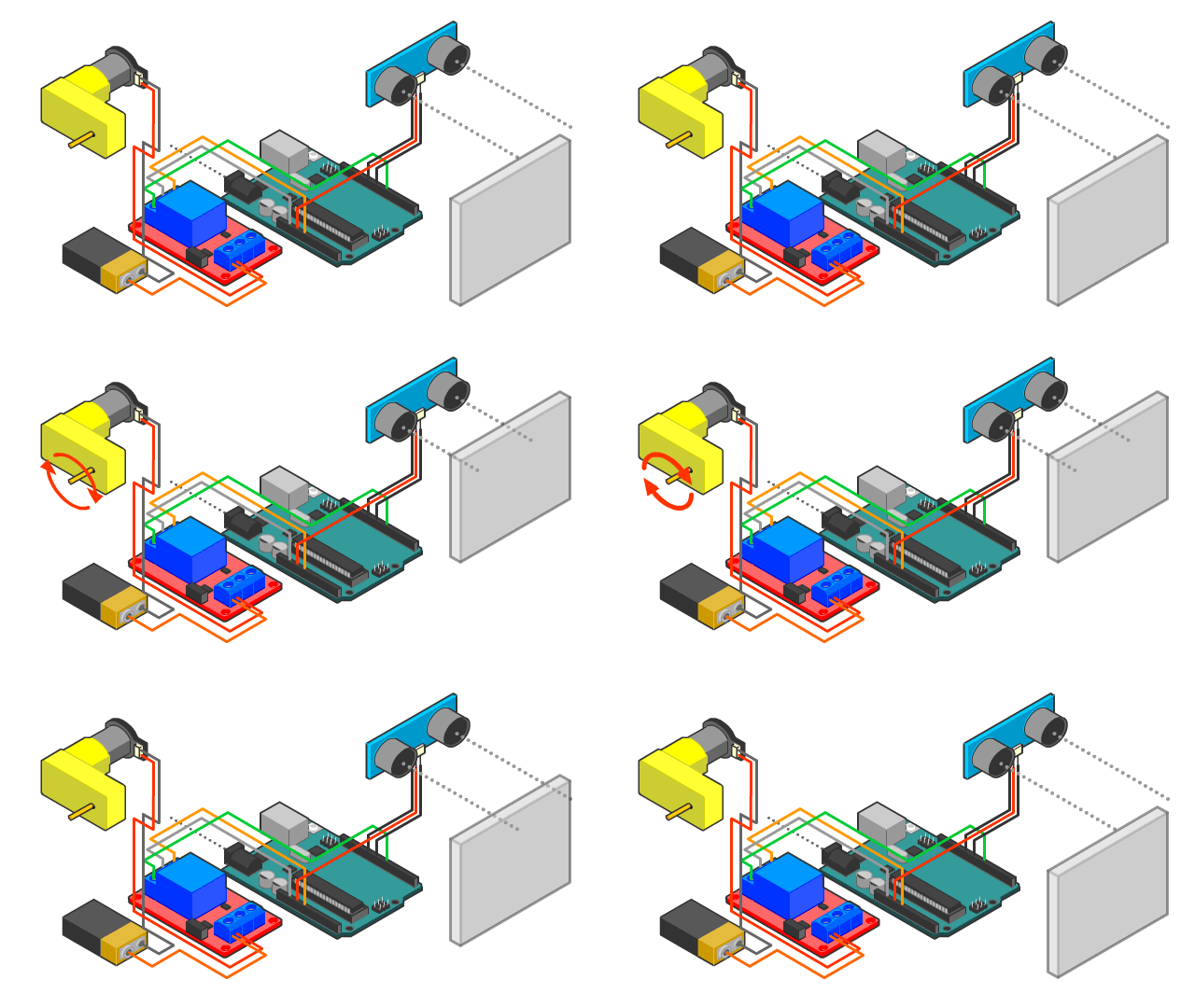
An electronics course for kids introduces them to the basics of circuits and programming. Kids will use Tinkercad to design and simulate circuits with components like LEDs, resistors, and Arduino without needing physical parts. They will learn how to connect components, write simple code, and see their projects come to life.
Powertrain: Converts energy into movement using motors and gears, enabling the robot to move
Electronics: Provides the control system, including sensors, power management, and communication modules to handle signals and power distribution.
Arduino Interface: Acts as the main controller that processes inputs from sensors and controls the motors, allowing easy interaction between all hardware components.
Together, they create an intelligent and controllable system capable of interacting with the environment.
Intermediate Programming Courses
Design programming and algorithms focus on creating efficient solutions to problems. It involves structuring code and selecting the best algorithms to achieve optimal performance. Algorithms are step-by-step procedures used to process data, solve problems, or perform computations, while good design ensures clarity, efficiency, and scalability in the program's structure. Together, they form the foundation for building reliable, efficient software solutions.
Intermediate Programming Courses
This course provides an in-depth exploration of Object-Oriented Programming (OOP) principles and practices using C++ and other object-oriented languages. It is designed for students with basic programming knowledge who want to deepen their understanding of OOP concepts and apply them to real-world problems.
Description
Students make an important transition from Microcontroller-Based Systems to Computer-Based Engineering Systems.
Using Raspberry Pi, students discover how a complete Linux computer can interact directly with electronic hardware.
They learn the fundamentals of the Linux Operating System, terminal commands, files and directories, software installation, Python environments, and the basic management of a Raspberry Pi system.
Students then connect their previous electronics knowledge to Raspberry Pi through GPIO, interfacing buttons, sensors, motors, displays, and other electronic devices.
However, unlike their earlier Arduino systems, students now have access to a full operating system, allowing them to run multiple software components, store and process larger amounts of data, connect to networks, and build richer applications.
Students also develop Graphical User Interfaces (GUI) for their engineering projects, allowing users to monitor and control machines through complete software interfaces.
Learning Objectives
By the end of the course, students will be able to:
- Understand the difference between a Microcontroller and a Single-Board Computer.
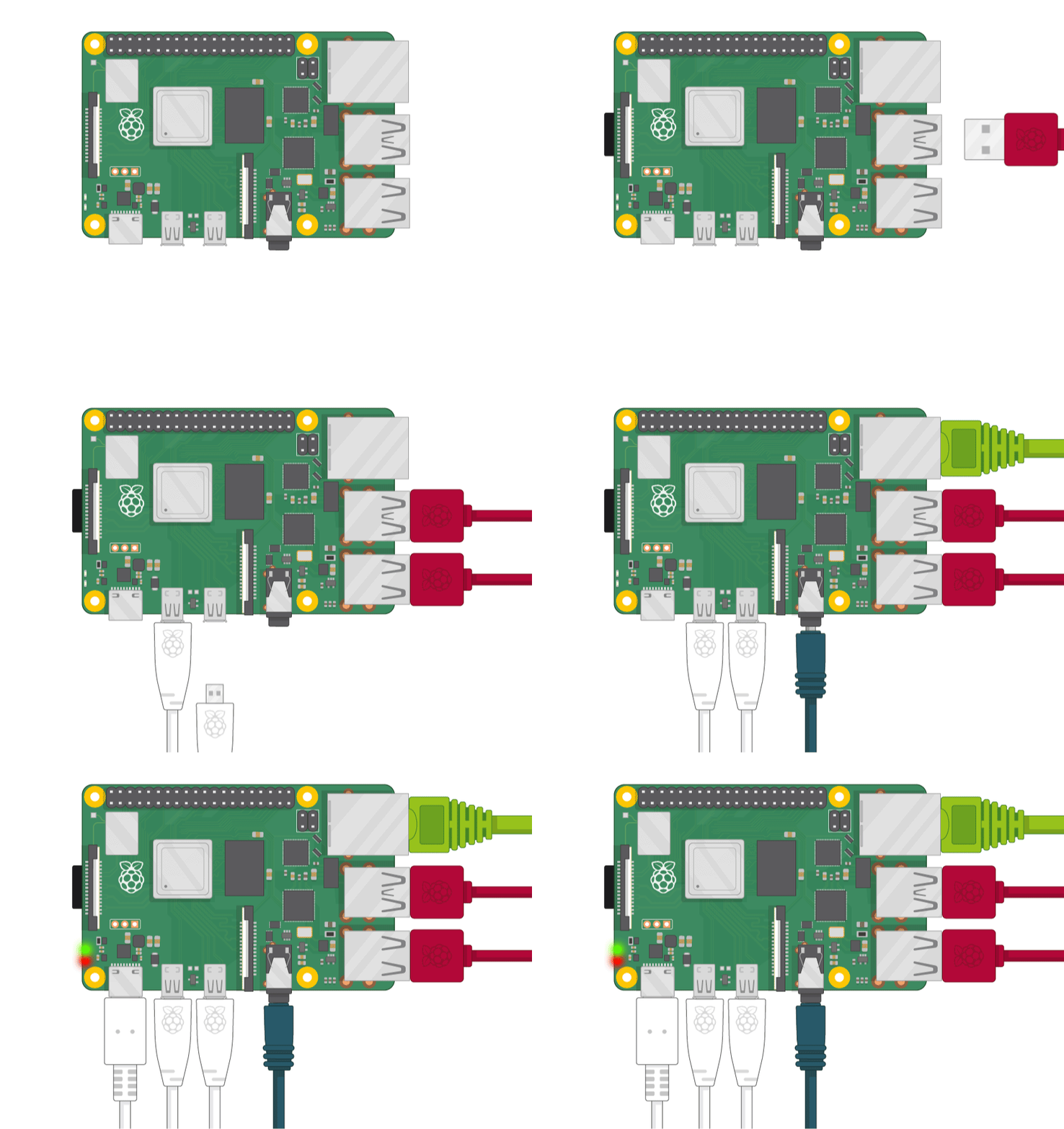
- Understand the basic architecture of Raspberry Pi.
- Install and configure Raspberry Pi OS.
- Understand the fundamentals of Linux.
- Navigate the Linux File System.
- Use common Terminal Commands.
- Create, move, copy, and manage files and directories.
- Install and manage software packages.
- Run and manage Python programs on Linux.
- Understand basic processes and system resources.
- Understand Raspberry Pi GPIO.
- Configure GPIO Pins as Inputs and Outputs.
- Interface Buttons and Digital Devices.
- Read sensors using Raspberry Pi.
- Control LEDs, Motors, Servos, and other Actuators.
- Interface external electronic modules.
- Understand basic communication between Raspberry Pi and external hardware.
- Store and process project data.
- Develop Python-based engineering applications.
- Build Graphical User Interfaces.
- Connect GUI controls to physical hardware.
- Display sensor and machine information through software dashboards.
- Integrate Hardware + Linux + Python + GUI into one complete system.
Build, Code, and Innovate with Sensor-Based Robots, Mastering Real-World Problem-Solving like front collision avoidance system.
Description
Students move from mobile robotics into the engineering of robotic manipulation systems.
They study the mechanical components that allow machines and robots to transfer forces and create controlled movement, including Bearings, Flanges, Shafts, Couplers, Screws, Joints, and other mechanical transmission elements.
Students also explore Hydraulic and Pneumatic Systems, understanding their main components, operating principles, actuators, and engineering applications.
They then study the architecture of robotic arms through Links and Joints, learning how multiple controlled axes combine to create complex motion.
Instead of selecting motors by trial and error, students begin performing engineering calculations to estimate required Force, Torque, Speed, and Actuator Power according to the arm structure and expected load.
They design the mechanical structure of an Industrial Robotic Arm, select suitable actuators, and can develop custom joints using Stepper Motors and mechanical transmission components.
The course brings together mechanical design, electronics, motion control, and engineering calculations into one complete robotic manipulation system.
Learning Objectives
By the end of the course, students will be able to:
- Understand the mechanical architecture of robotic systems.
- Identify common mechanical machine components.
- Understand Bearings, Flanges, Shafts, Couplers, and Screws.
- Understand basic mechanical power transmission.
- Understand Links and Joints in robotic manipulators.
- Understand the concept of Degrees of Freedom.
- Identify different types of robotic joints.
- Understand basic robotic arm workspace.
- Understand the fundamentals of Hydraulic Systems.
- Identify major hydraulic system components.
- Understand the fundamentals of Pneumatic Systems.
- Identify major pneumatic system components.
- Compare electrical, hydraulic, and pneumatic actuation.
- Calculate basic forces and loads acting on robotic mechanisms.
- Estimate required joint torque.
- Select appropriate actuators according to system requirements.
- Understand the relationship between Torque, Speed, and Load.
- Design mechanical Links for a robotic arm.
- Design robotic Joints and actuator mounting systems.
- Develop Stepper Motor-based robotic joints.
- Integrate mechanical design, electronics, actuators, and control.
- Design and build a functional Industrial Robotic Arm.
Learn the foundations of modern electronics and embedded systems through our Digital Electronics & Microcontrollers course.
In this program, students start by understanding number systems, logic gates, Boolean algebra, and digital circuit design. Then we move into practical microcontroller development using AVR, ATmega, PIC, and communication protocols such as UART, I²C, and SPI.
By the end of the course, students will be able to design, code, and build real embedded systems projects and control sensors, motors, and digital circuits with confidence.
Linear algebra is essential in machine learning for representing data as vectors and matrices. It helps perform operations like matrix multiplication, which is key in algorithms like linear regression, neural networks, and PCA. Understanding linear algebra allows better handling of data transformations and optimizations in machine learning models.
Probability and statistics are crucial in machine learning for understanding data patterns and making predictions. Probability helps model uncertainty in predictions, while statistics provides tools to summarize and interpret data. Concepts like distributions, mean, variance, and hypothesis testing are used to train models, evaluate performance, and handle uncertainty, ensuring more reliable machine learning outcomes.
Calculus is vital in machine learning for optimizing algorithms. It helps in understanding how model parameters should change to minimize errors. Concepts like derivatives and gradients are used in gradient descent to adjust weights in models like neural networks, improving performance through learning and optimization.
MIT App Inventor teaches kids how to create their own mobile games in a user-friendly, visual programming environment. Kids will learn the basics of game design, including graphics, sound, and interactive elements, by dragging and dropping blocks to code their games.
These projects for kids are introducing them to advanced robotics and control systems:
- Voice-Controlled Actuators: Kids use voice commands to control motors or LEDs, learning automation.
- Bluetooth-Controlled Robot: A mobile app controls a 4-wheeled robot via Bluetooth, teaching wireless communication.
- Lifter and Gripper for the Robot: Kids add a lifter and gripper to the robot, learning about robotics and motor control.
هذه المشاريع للأطفال تعرفهم على الروبوتات المتقدمة وأنظمة التحكم:
- المحركات التي يتم التحكم فيها بالصوت: يستخدم الأطفال الأوامر الصوتية للتحكم في المحركات أو مصابيح LED .
- روبوت يتم التحكم فيه بواسطة بلوتوث: يتحكم تطبيق الموبايل في روبوت ب 4 عجلات عبر البلوتوث ، لتعليم الاتصال اللاسلكي.
- رافع وقابض للروبوت: يضيف الأطفال رافعا وقابضا إلى الروبوت ، و يتعلمون كيفية التحكم في المحركات.
Description:
Junior Robotics brings together everything students have learned throughout the Junior journey.
Students explore robot movement, navigation, remote control, sensing, autonomous behavior, and task-based robotics.
Instead of treating robots as toys, students begin understanding robots as machines that receive information, make decisions, move, and perform useful tasks.
Learning Objectives
By the end of the course, students will be able to:
- Understand the basic structure of a robot.
- Identify a robot's controller, sensors, actuators, and mechanical structure.
- Control robot movement and direction.
- Understand Forward, Backward, Left, Right, and Stop commands.
- Understand basic robot navigation.
- Plan simple paths for a robot.
- Remotely control a robot.
- Use sensors for autonomous navigation.
- Understand obstacle detection and avoidance.
- Understand basic line sensing and line-following behavior.
- Build robots designed for specific tasks.
- Compare manually controlled and autonomous robots.
- Test and improve robot behavior.
- Solve simple navigation and movement challenges.
- Integrate electronics, programming, sensors, and mechanics into one robotic system.
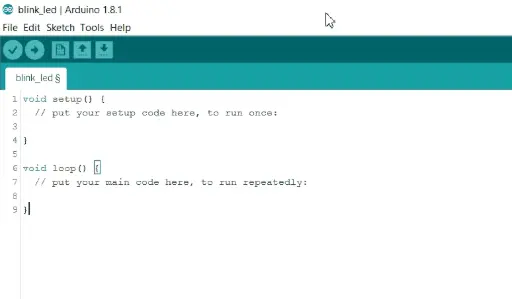
Arduino programming involves using an Arduino board, which is a small electronic device, to create interactive projects. With Arduino, students learn how to write and upload code that controls various electronic components such as lights, sensors, motors, and more. This enables them to create programs that respond to input from sensors, display information on screens, or control the movement of motors.
Description
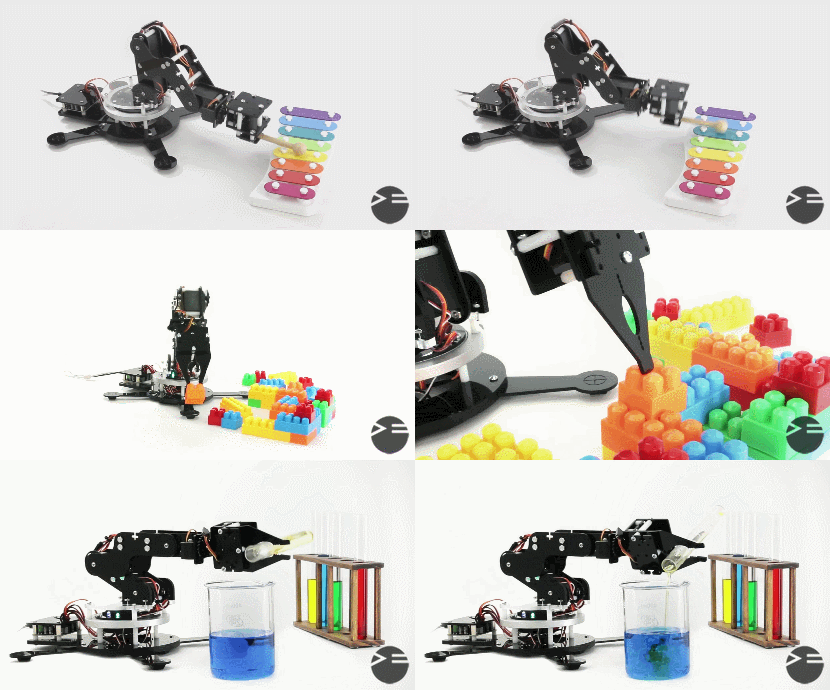
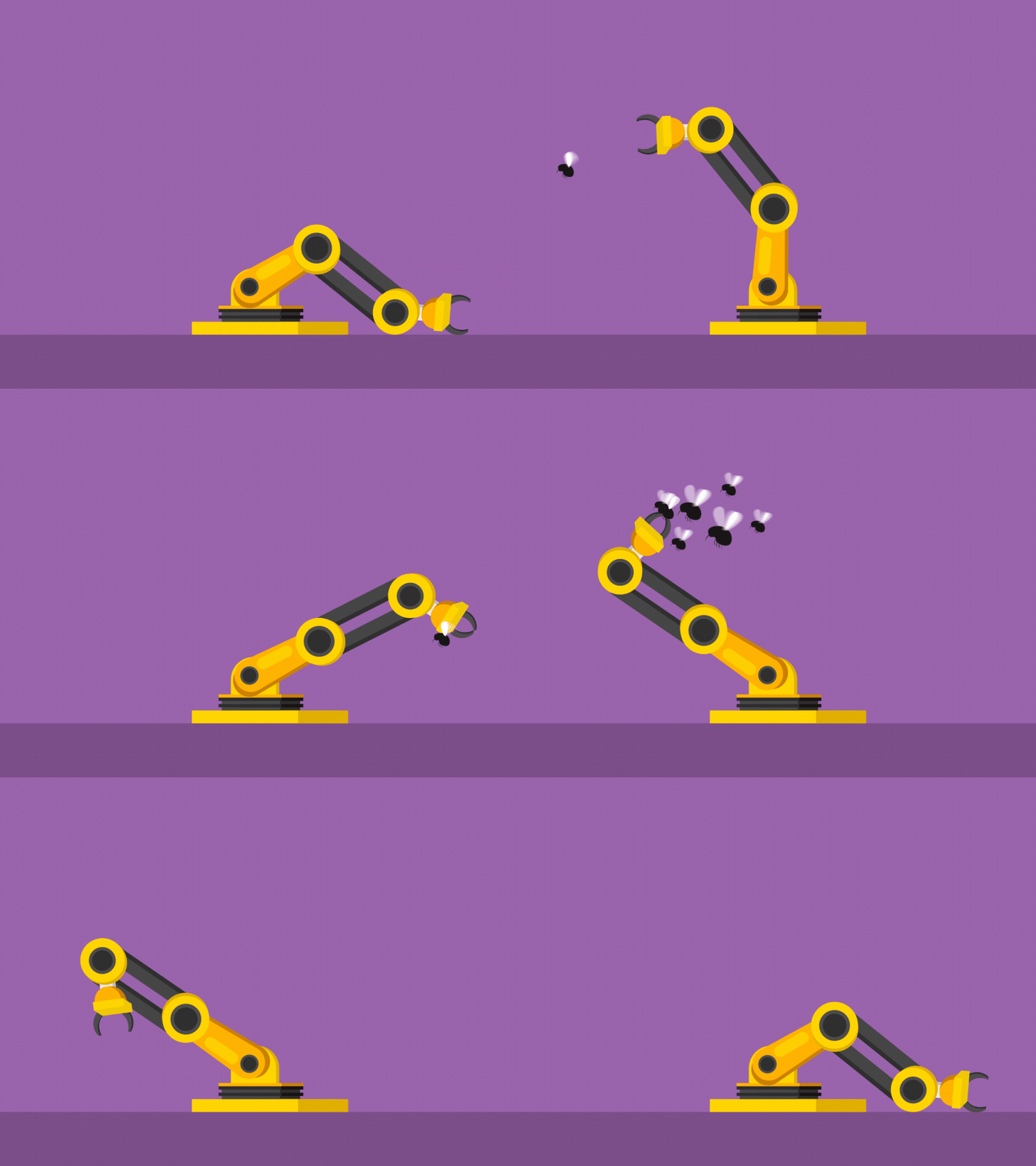
Students complete the StarTec journey by bringing mechanics, electronics, programming, and motion control together to build a complete robotic arm.
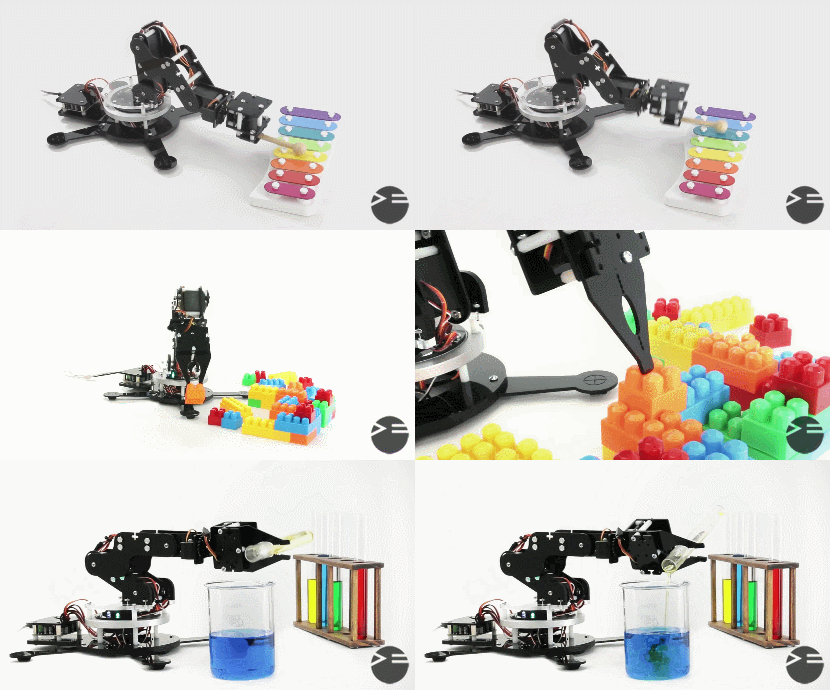
They explore how robotic arms are constructed using Links and Joints, how Servo Motors create controlled movement, and how a Gripper allows a robot to interact with physical objects.
Students assemble the mechanical structure, install the Servo Motors, connect the electronic system, and program individual joints before coordinating them to perform complete movements.
They progress from Manual Control to programmed Automatic Motion Sequences, ultimately enabling their robot arm to perform tasks such as Pick and Place.
The course introduces students to the foundations of Robotic Manipulation, giving them a first understanding of the engineering principles behind industrial robotic arms and automated manipulation systems.
Learning Objectives
By the end of the course, students will be able to:
- Understand the basic structure of a Robotic Arm.
- Identify the Base, Links, Joints, and End Effector.
- Understand the role of each Joint in producing movement.
- Understand the concept of Degrees of Freedom at an introductory level.
- Understand the purpose of a robotic Gripper.
- Assemble the mechanical structure of a Robot Arm.
- Install Servo Motors within mechanical joints.
- Connect multiple Servo Motors to the electronic control system.
- Control Servo Motor angles using Arduino.
- Control individual Robot Arm joints.
- Coordinate multiple joints to create complete movements.
- Understand basic Motion Sequences.
- Define safe movement ranges for different joints.
- Create a Manual Control Mode.
- Control the Robot Arm through user inputs.
- Create an Automatic Control Mode.
- Program predefined sequences of robotic movements.
- Control the opening and closing of a Gripper.
- Perform basic Pick and Place operations.
- Understand how a robot physically interacts with objects.
- Test and improve Robot Arm movement.
- Troubleshoot mechanical, electronic, and programming problems.
- Integrate Mechanical Design + Electronics + Programming + Motion Control into one system.
- Understand the foundations of Robotic Manipulation.
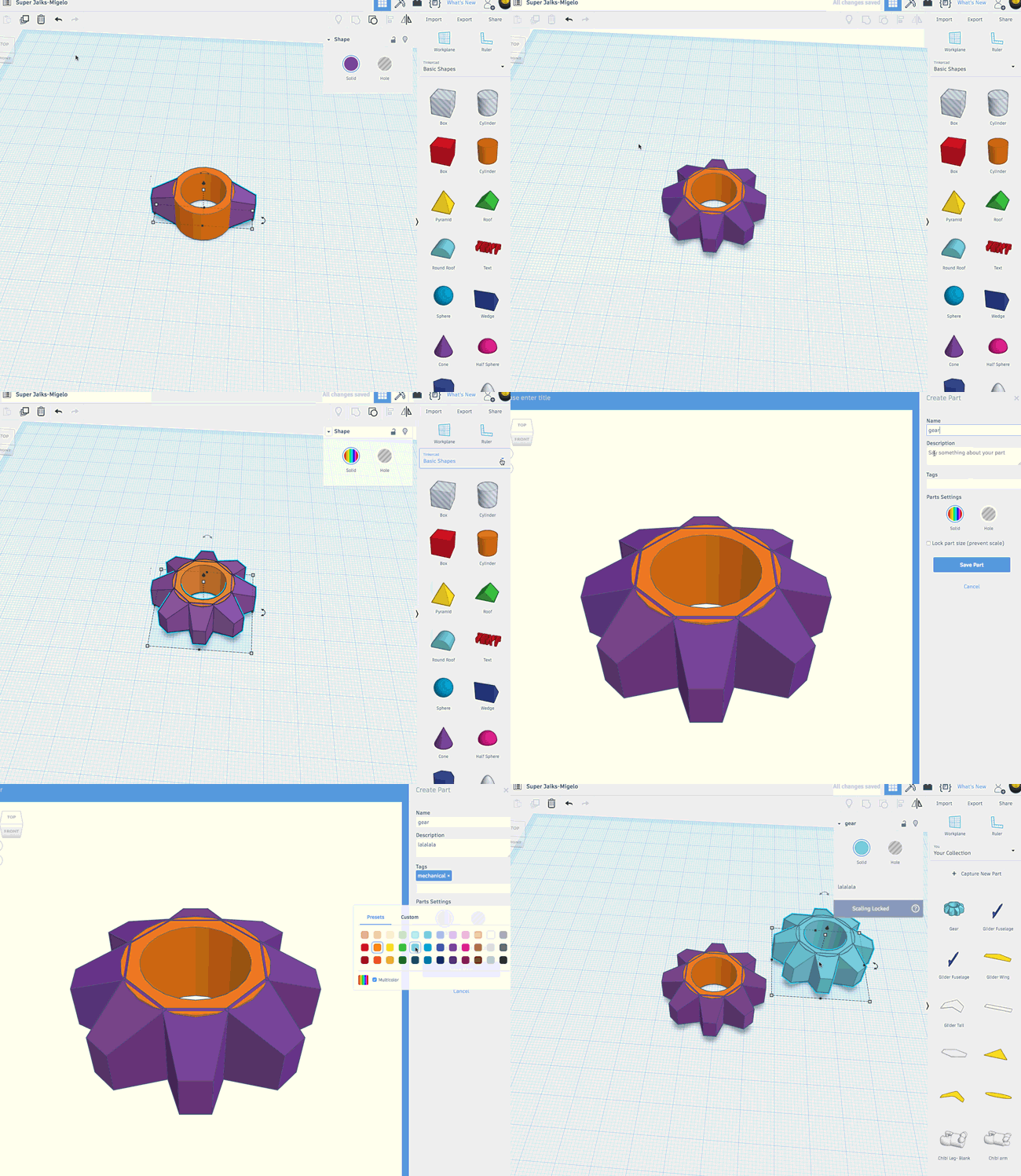
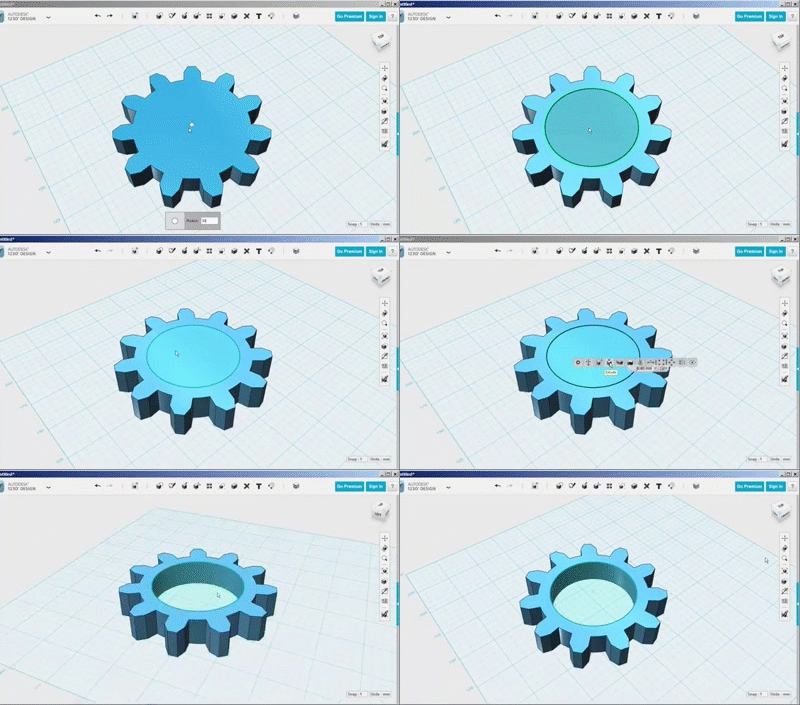
A mechanical design course using Tinkercad for kids introduces them to 3D modeling and design, allowing them to create mechanical parts like gears and simple machines. Kids learn how to design in a virtual environment, and then use a 3D printer or laser cutting machine to manufacture their designs in real life and assembling the parts together.
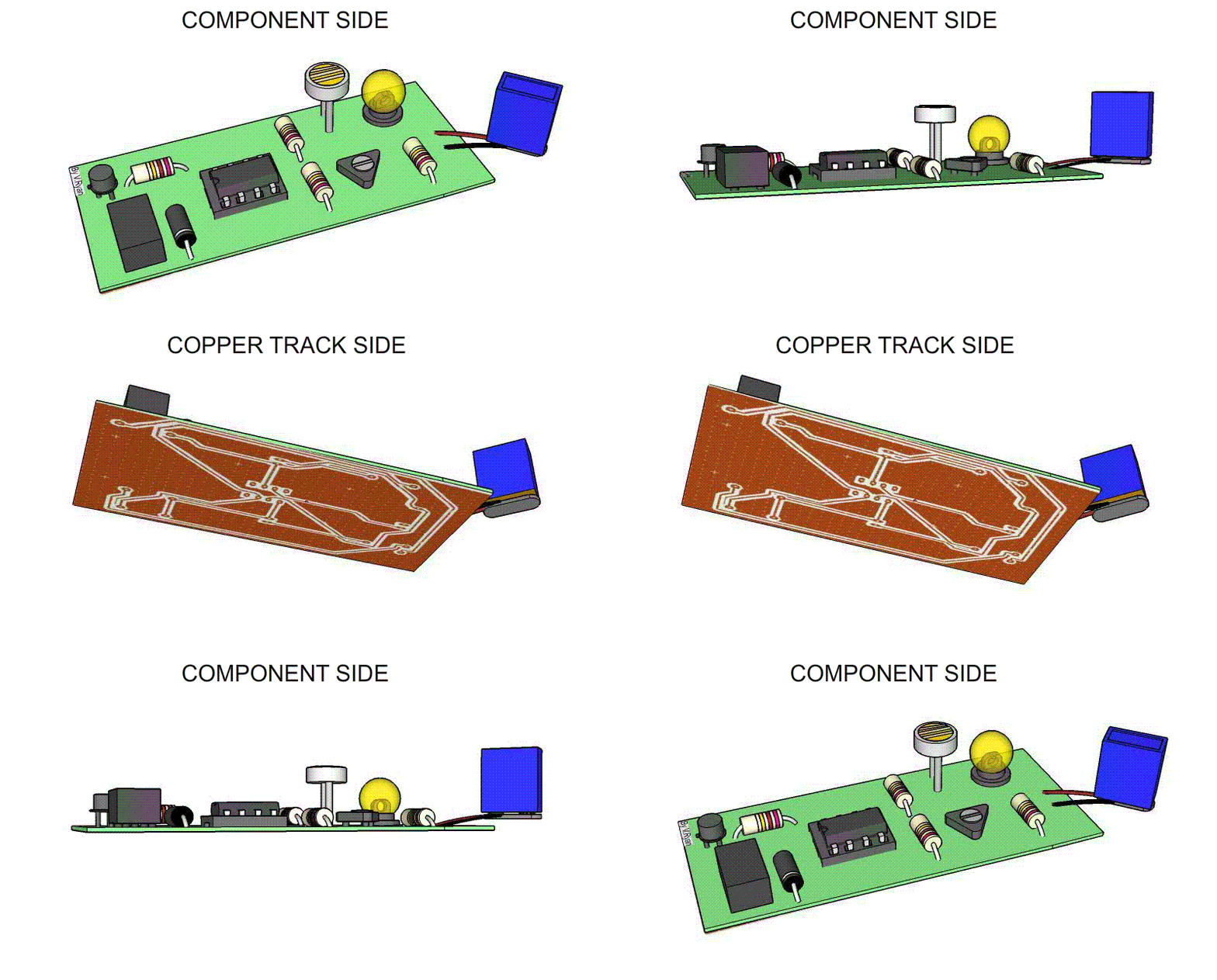
Introduces kids to the basics of creating printed circuit boards (PCBs) in a fun and interactive way. Students will learn how to design circuits, arrange components, and create PCB layouts using Fritzing's user-friendly interface. The course covers essential concepts like electrical connections and soldering, allowing kids to bring their designs to life by fabricating real PCBs.
A mechanical design course using Tinkercad for kids introduces them to 3D modeling and design, allowing them to create mechanical parts like gears and simple machines. Kids learn how to design in a virtual environment, and then use a 3D printer or laser cutting machine to manufacture their designs in real life and assembling the parts together.
Students will learn C++ programming to interface sensors, motors, and controllers to create a UGV that can navigate its environment. They will also program a robot arm to perform tasks like picking and placing objects.
Students will learn how to create and manipulate 3D shapes, design mechanical parts, and assemble them into complex models. Through hands-on projects, they will explore concepts like dimensions, tolerances, and design aesthetics. This course encourages creativity and critical thinking while providing a solid foundation in engineering principles, making mechanical design engaging and accessible for young learners.
Description
Advanced Mechatronics Projects challenges students to apply everything they have learned to the development of complete engineering machines.
Instead of focusing on individual concepts, students work through the architecture of real manufacturing equipment and discover how mechanics, electronics, motion systems, controllers, drivers, software, and fabrication processes must operate together.
Students design mechanical structures, build controlled motion axes, integrate Stepper Motors and Drivers, develop electronic control systems, configure machine movement, and calibrate the final system for accuracy.
Through building a CNC Router, Laser Cutting Machine, and 3D Printer, students discover that machines with very different applications can share similar engineering foundations.
The course represents the transition from building projects to building machines that can manufacture other products.
Learning Objectives
By the end of the course, students will be able to:
- Understand the architecture of digital manufacturing machines.
- Break complex machines into mechanical, electronic, and software subsystems.
- Understand linear and rotational motion systems.
- Design controlled motion axes.
- Integrate Stepper Motors and Motor Drivers.
- Understand multi-axis motion.
- Design mechanical machine structures.
- Integrate shafts, bearings, couplers, guides, and motion components.
- Understand machine coordinate systems.
- Understand the concept of machine Homing.
- Understand End Stops and motion limits.
- Build and wire machine control electronics.
- Understand basic machine calibration.
- Identify mechanical sources of positioning error.
- Improve motion accuracy through testing and calibration.
- Understand the fundamental operating principle of CNC machines.
- Understand the fundamental operating principle of Laser Cutting Machines.
- Understand the fundamental operating principle of FDM 3D Printers.
- Integrate mechanics, electronics, control, and software into a complete machine.
- Test, troubleshoot, calibrate, and improve complex mechatronic systems.
A mechanical design course using Tinkercad for kids introduces them to 3D modeling and design, allowing them to create mechanical parts like gears and simple machines. Kids learn how to design in a virtual environment, and then use a 3D printer or laser cutting machine to manufacture their designs in real life and assembling the parts together.
Back-end developers ensure the website performs correctly, focusing on databases, back-end logic, application programming interface (APIs), architecture, and servers.
A mechanical design course using Tinkercad for kids introduces them to 3D modeling and design, allowing them to create mechanical parts like gears and simple machines. Kids learn how to design in a virtual environment, and then use a 3D printer or laser cutting machine to manufacture their designs in real life and assembling the parts together.
This course is designed to introduce you to the fundamentals of C#, a versatile and powerful programming language developed by Microsoft. C# is widely used in various applications, such as desktop software, web services, and game development. Known for its simplicity, readability, and robustness, C# is an excellent choice for both beginners and experienced developers.
The course typically covers everything from basic interface navigation to advanced modeling, texturing, lighting, animation, and rendering techniques. It also includes sculpting for organic shapes, rigging for character animation, and applying special effects like particle systems and physics.
Students learn how to use Blender's powerful tools to model objects, create realistic textures, add dynamic lighting, animate characters, and render high-quality scenes. With hands-on projects, students gain practical experience, making the course ideal for aspiring 3D artists, animators, game developers, or anyone looking to explore 3D design.
This course guides you from beginner to intermediate level in Unity for both game and VR development. You'll learn the basics of Unity's interface, game objects, and C# scripting. Key topics include creating 2D/3D environments, animations, user interfaces, and handling physics. You’ll also explore VR setup, interactions, and performance optimization. By the end, you'll be able to create and publish your own games and VR projects using Unity's powerful features.
This hands-on course is designed to introduce students to the exciting world of game development and 3D design using PictoBlox. Students will learn how to design, build, and program interactive game environments starting with block-based coding and progressing to text-based Python programming within the PictoBlox 3D Design Studio.
Throughout the course, learners will create their own fully functional 3D game field – from laying the ground tiles to placing characters, objects, and rules. They'll gain practical coding experience, learn the fundamentals of logic, and see how games come to life both visually and technically.
Description:
Students progress from individual sensor experiments to complete smart machines.
Projects now combine multiple engineering concepts such as sensing, movement, timing, decision-making, mechanisms, and user interaction.
Students are encouraged to understand the complete system rather than simply copying connections or code.
Learning Objectives
By the end of the course, students will be able to:
- Design larger Arduino-based projects.
- Combine multiple inputs and outputs.
- Use sensors to trigger physical actions.
- Control motors and servo mechanisms.
- Apply simple automated decision-making.
- Understand sequences and multi-step machine behavior.
- Break a complex machine into smaller subsystems.
- Integrate electronics, programming, and mechanical structures.
- Test individual subsystems before combining them.
- Identify and fix simple hardware and programming problems.
- Modify project behavior through code.
- Develop simple solutions for real-world problems.
- Explain a complete smart system from sensing to action.
Introductory Programming Courses
This course is designed to introduce students to the basics of programming using C++. It is aimed at beginners with little to no programming experience, providing a solid foundation in C++ syntax, semantics, and programming techniques. By the end of the course, students will be able to write simple to moderately complex programs in C++.
Description:
Students begin their journey into embedded systems by learning the fundamentals of C++ programming and applying them directly to Arduino-based electronic systems.
They learn how a microcontroller interacts with the physical world through digital and analog inputs and outputs, sensors, motors, servos, displays, and other electronic devices.
Instead of learning programming and electronics as separate topics, students combine them to build complete systems that can sense their environment, make decisions, and perform actions.
Throughout the course, students progress from basic circuits and programs to real engineering projects such as automated irrigation, smart greenhouses, radar systems, parking systems, and elevators.
Learning Objectives
By the end of the course, students will be able to:
- Understand the basic structure and operation of a microcontroller-based system.
- Understand the fundamentals of C++ programming.
- Use variables, data types, operators, conditions, loops, functions, and arrays.

- Understand the structure of an Arduino program.
- Work with digital inputs and outputs.
- Read and process analog signals.
- Interface different sensors with Arduino.
- Control LEDs, buzzers, DC motors, and Servo Motors.
- Understand the difference between sensors and actuators.
- Read sensor data and convert it into useful information.
- Build decision-making logic based on sensor readings.
- Combine multiple inputs and outputs within one system.
- Break a large engineering problem into smaller programmable functions.
- Debug basic hardware and software problems.
- Design and build complete Arduino-based embedded systems.
Description
Students continue their embedded systems journey by exploring how modern electronic systems communicate, measure motion, determine position, and control movement accurately.
They learn wired and wireless communication concepts and work with technologies such as Bluetooth, NRF wireless communication, and Wi-Fi to exchange data between controllers and systems.
Students are introduced to navigation and motion sensing using IMU and GPS modules, allowing their systems to understand orientation, movement, and geographical position.
They also explore Wheel Encoders to measure motor movement and RPM and discover the difference between Open-Loop and Closed-Loop Control.
Using feedback from encoders, students are introduced to PID Control, learning how a system can continuously measure its error and automatically adjust its output to achieve more accurate and stable motion.
Stepper Motors and their drivers are also introduced, preparing students for precise motion-control applications used later in robotics and manufacturing machines.
Learning Objectives
By the end of the course, students will be able to:
- Understand the purpose of communication between embedded systems.
- Understand fundamental wired and wireless communication concepts.
- Work with common communication protocols.
- Establish communication between multiple microcontrollers.
- Use Bluetooth modules for wireless communication.
- Use NRF modules for wireless data transmission.
- Connect embedded systems through Wi-Fi.
- Send and receive structured data between devices.
- Understand the fundamentals of robot navigation.
- Interface GPS modules and process positioning data.
- Understand IMU-based motion and orientation sensing.
- Measure Roll, Pitch, and Yaw.
- Develop orientation-monitoring applications.
- Interface and control Stepper Motors.
- Use Stepper Motor Drivers for precise motion control.
- Understand the operation of Wheel Encoders.
- Measure wheel rotation and calculate RPM.
- Understand Open-Loop versus Closed-Loop Control.
- Understand the concept of feedback and error.
- Understand the fundamentals of PID Control.
- Apply feedback control to improve motor speed accuracy.
- Integrate communication, sensing, navigation, and control into complete embedded systems.
Description
Students begin their StarTec journey by exploring the foundations of programming, electronics, and computational thinking using Arduino and TinkerCAD Blocks Coding.
They learn how electronic systems receive information through inputs, process that information using programmed logic, and control outputs to produce a physical response.
Starting with LEDs, Push Buttons, Slider Switches, and Potentiometers, students gradually explore Digital and Analog concepts while developing essential programming skills such as Variables, Conditions, Logical and Arithmetic Operations, Functions, Flowcharts, and Serial Communication.
Rather than learning coding as an isolated subject, students immediately use their programs to control real electronic systems and make them respond intelligently to different inputs.
Learning Objectives
By the end of the course, students will be able to:
- Understand the basic architecture of Input → Processing → Output systems.
- Distinguish between Digital and Analog signals.
- Configure and control Digital Inputs and Outputs using Arduino.
- Read Push Buttons and Slider Switches.
- Read variable Analog values using a Potentiometer.
- Control LED brightness using PWM.
- Use Variables to store and manipulate information.
- Apply Arithmetic Operations within programs.
- Use if conditions to create decision-making systems.
- Combine multiple conditions using Logical Operations.
- Design simple Flowcharts before building a program.
- Create and use Functions to organize programs.
- Send information through Serial Communication.
- Receive simple commands through Serial Communication.
- Combine multiple Inputs and Outputs within one system.
- Test, troubleshoot, and improve simple Arduino programs.
- Translate a simple real-world problem into programmable logic.
- Build a strong foundation in Programming Logic and Electronic Control.
Introductory Programming Courses
This course is designed to introduce students to the basics of programming using C++. It is aimed at beginners with little to no programming experience, providing a solid foundation in C++ syntax, semantics, and programming techniques. By the end of the course, students will be able to write simple to moderately complex programs in C++.
Description:
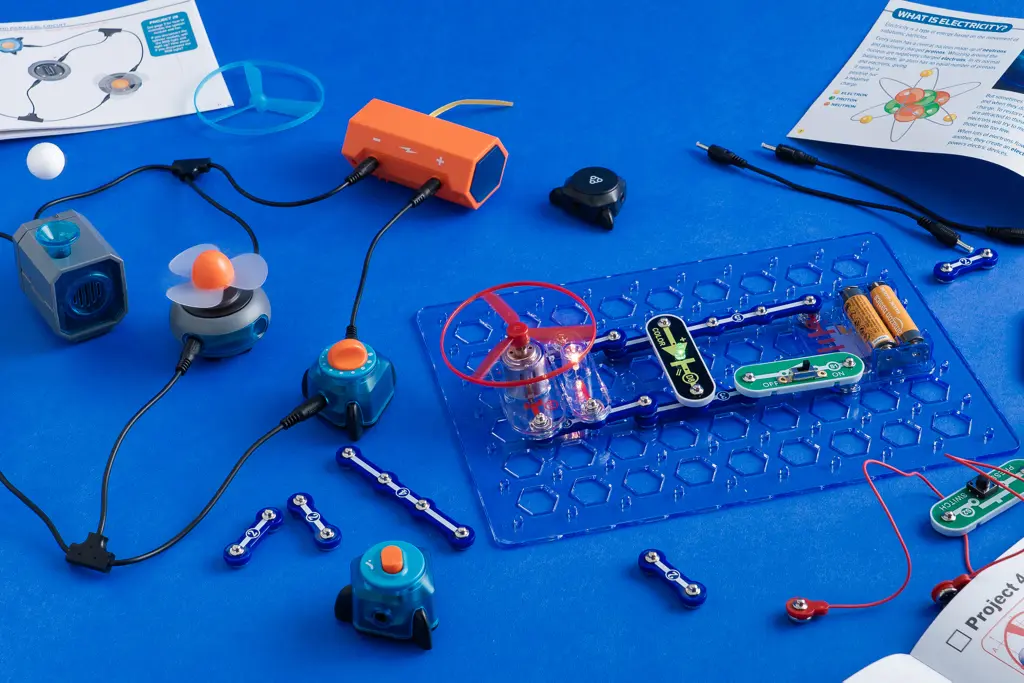
Students take their first step into electronics by exploring electricity, electronic components, motors, switches, and simple control circuits.
Through experiments and mini-projects, students discover how individual components behave and gradually learn how multiple components can be combined to create useful circuits.
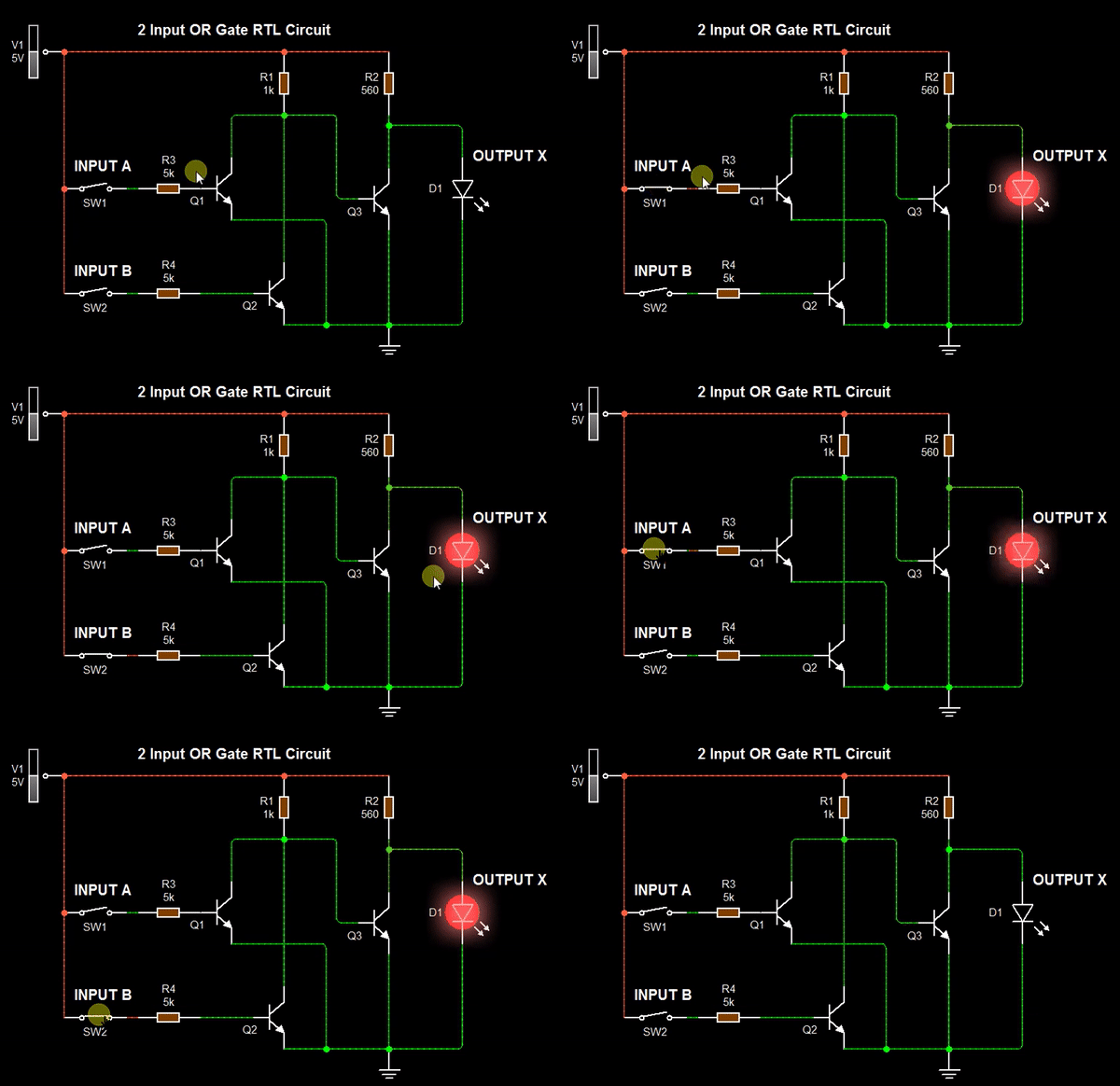
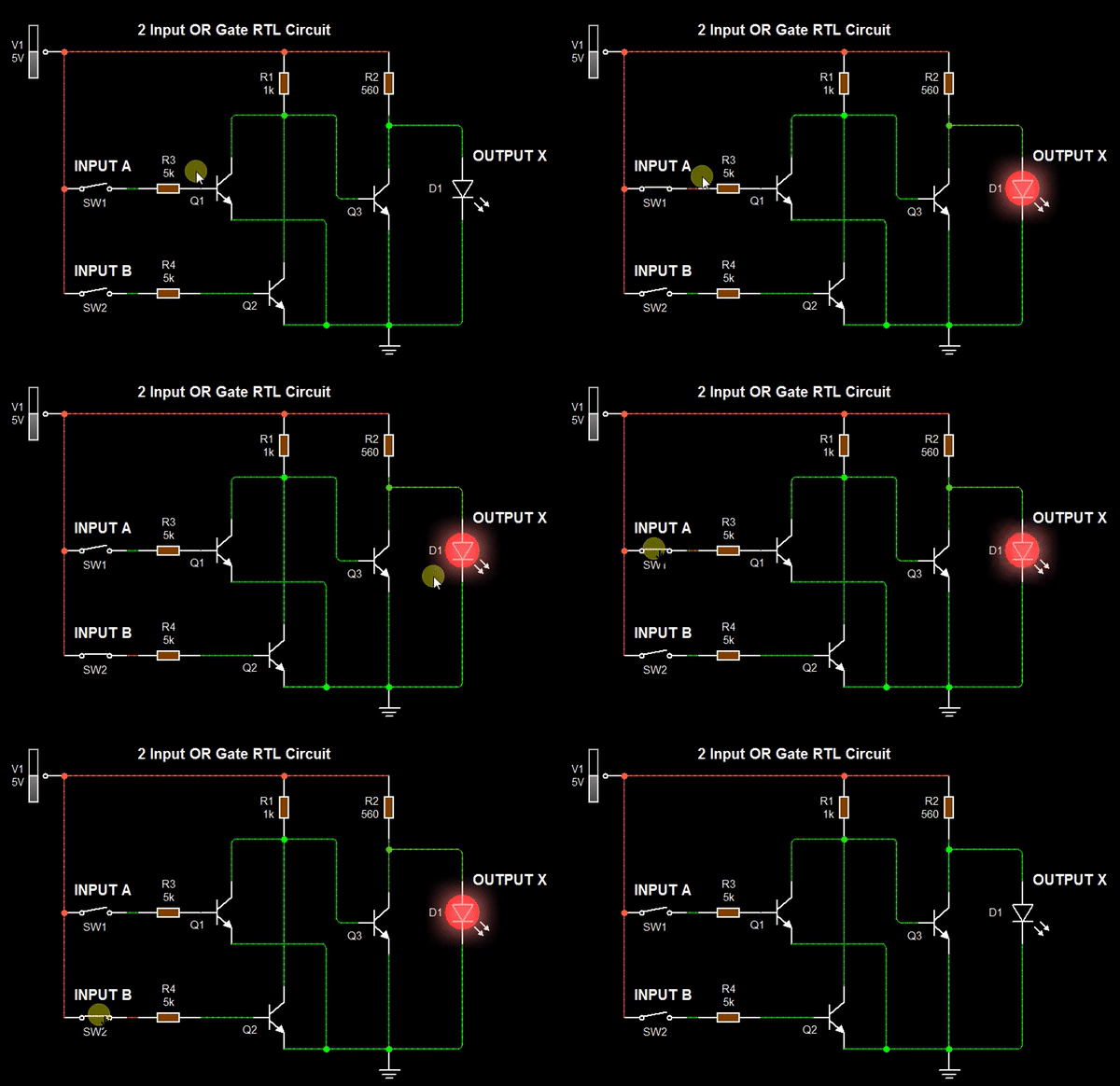
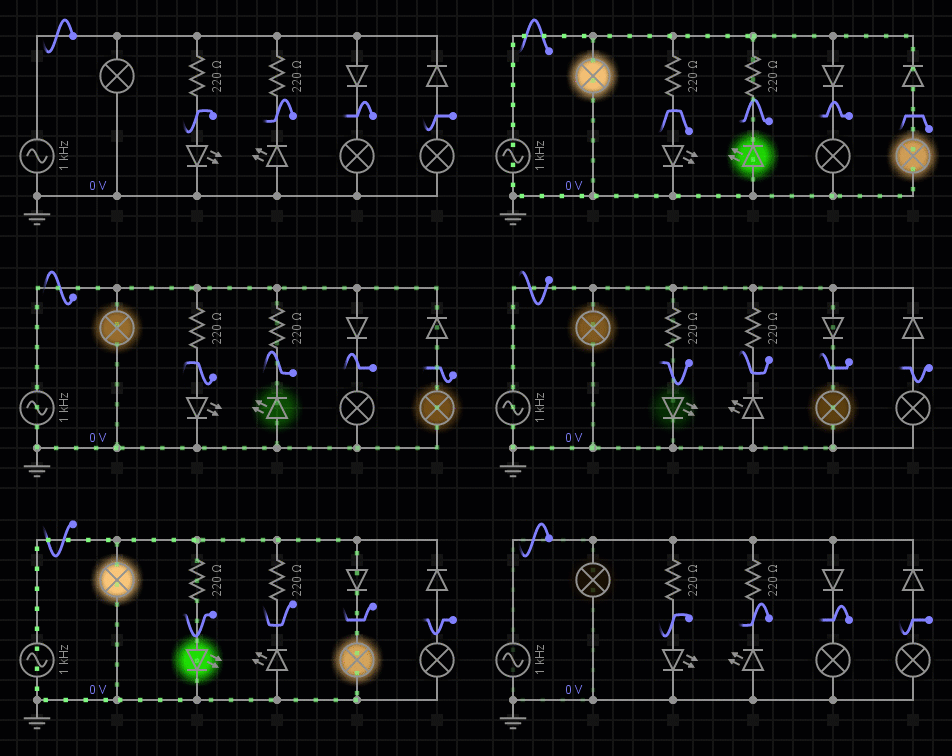
The course also introduces simple logic and decision-making using AND, OR, NOT, and combined logic circuits before students encounter programming.
Learning Objectives
By the end of the course, students will be able to:
- Recognize common electronic components and explain their basic purpose.
- Understand the idea of a simple electrical circuit and current path.
- Identify basic component polarity where required.
- Connect LEDs, RGB LEDs, buzzers, and DC motors.
- Use resistors appropriately with electronic components.
- Control circuits using Push Buttons, Slider Switches, and ON/OFF Switches.
- Understand the difference between an input and an output.
- Control motor speed using a Potentiometer and Motor Driver.
- Understand the basic purpose of the L293 Motor Driver.
- Understand simple decision-making using AND, OR, and NOT logic.
- Combine multiple logic gates to create simple control conditions.
- Read and build simple circuit diagrams.
- Troubleshoot basic circuits when they do not work.
- Combine components creatively to build mini-projects.
Description
Students expand their Arduino knowledge by learning how electronic systems sense and interact with the physical world.
They explore a wide range of Sensors for measuring distance, light, temperature, soil conditions, movement, gases, and other environmental variables.
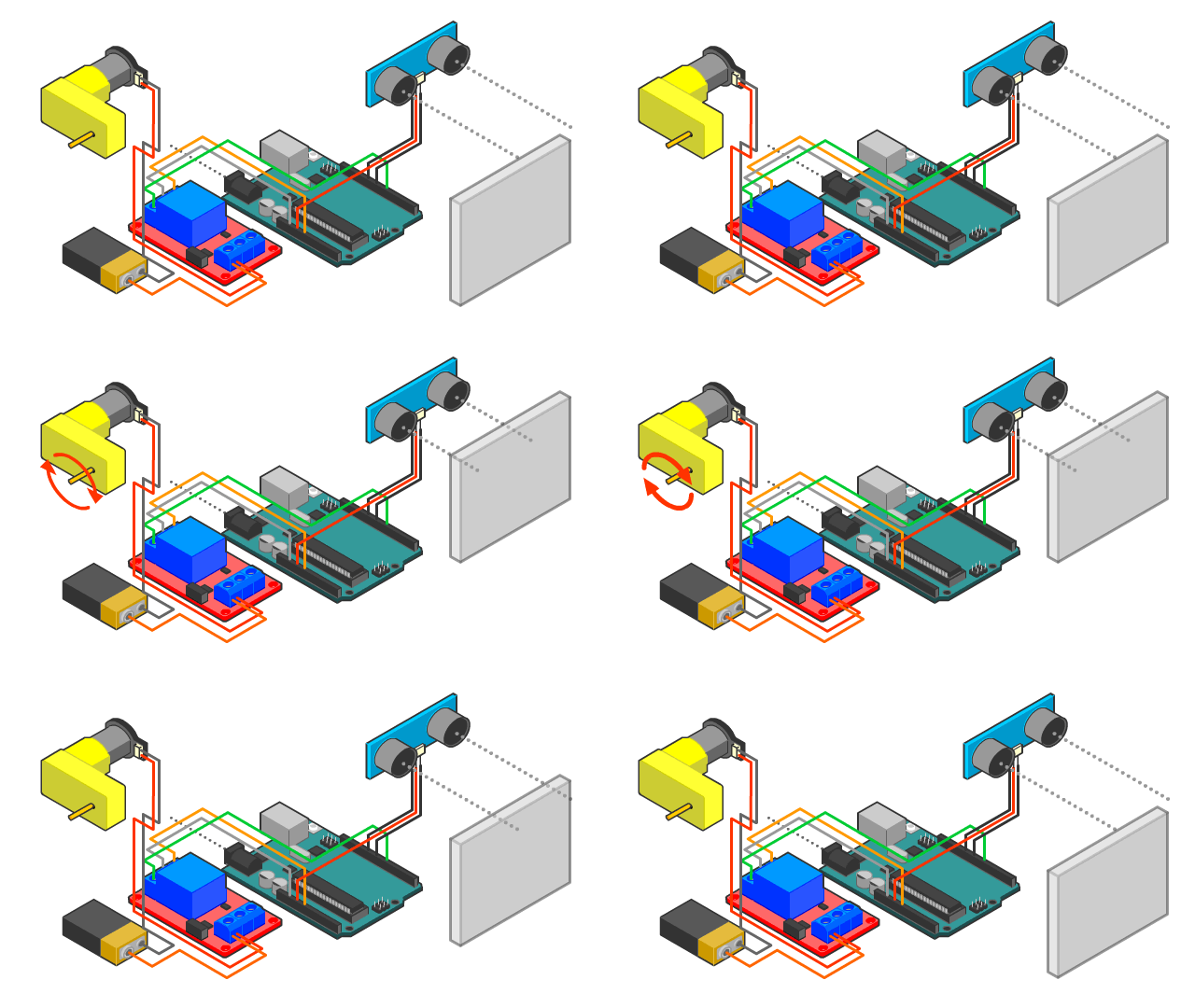
Students then learn how Arduino uses this information to control Actuators such as DC Motors, Servo Motors, Relays, and other electrical loads.
The course also introduces Motor Drivers, Transistors, Relays, and Bluetooth communication, allowing students to progress from individual component experiments to complete Smart Systems.
Through projects such as Smart Greenhouses, Irrigation Systems, Fire Fighting Systems, Radars, and Railway Crossing Gates, students begin understanding the foundations of Sensing, Control, Automation, and System Integration.
Learning Objectives
By the end of the course, students will be able to:
- Understand the role of Sensors and Actuators in electronic systems.
- Understand the concept of converting physical conditions into electrical data.
- Interface different Sensors with Arduino.
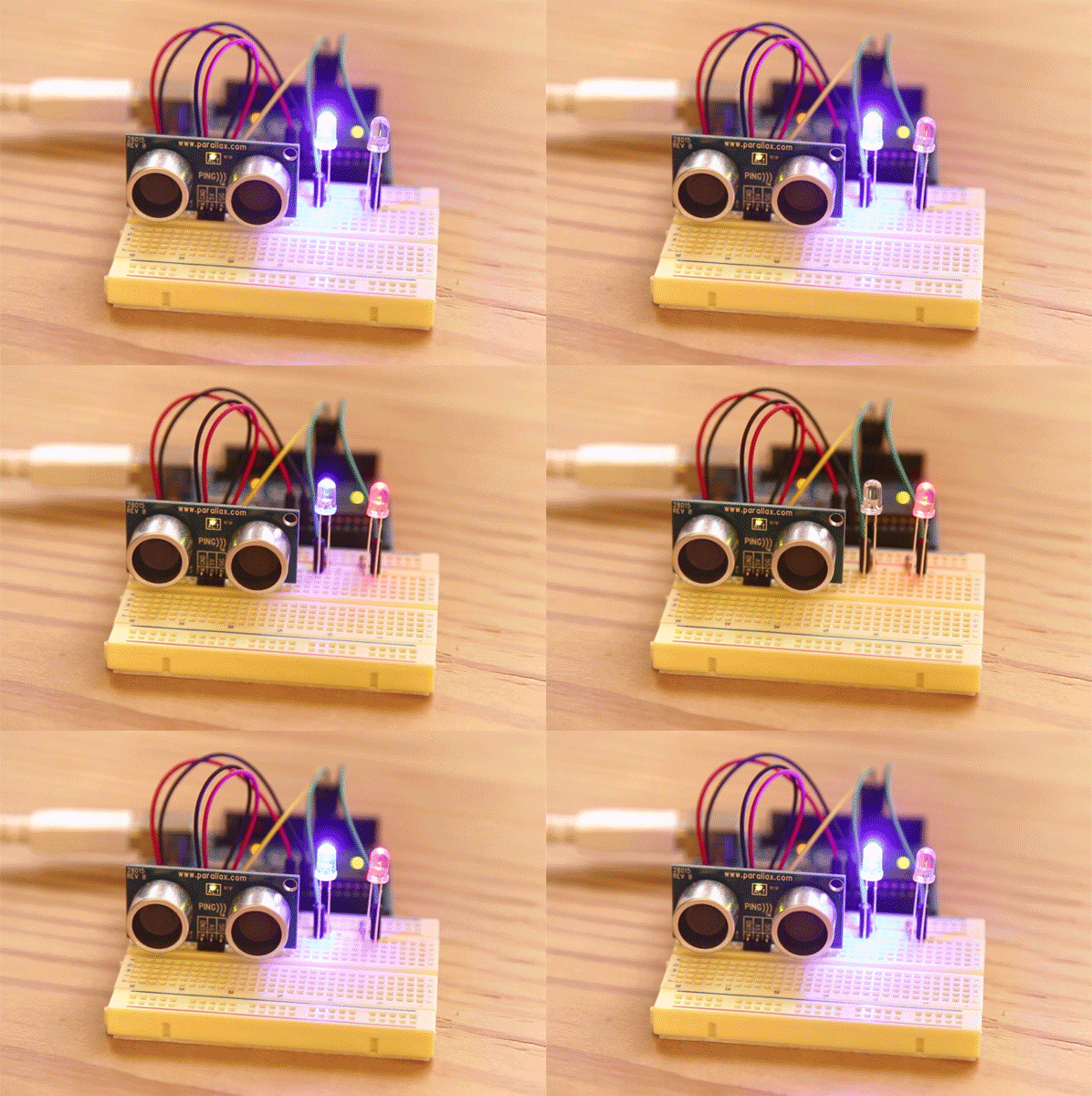
- Measure distance using an Ultrasonic Sensor.
- Detect objects using IR Sensors.
- Measure light intensity using an LDR.
- Read Temperature Sensors.
- Monitor soil conditions using a Soil Moisture Sensor.
- Use Tilt and Gas Sensors.
- Process Sensor data and use it to make decisions.
- Control DC Motors using Arduino.
- Control Servo Motor position.
- Understand why Motor Drivers are required.
- Use Motor Drivers to control motor direction and movement.
- Understand the basic operation of a Transistor as an electronic switch.
- Understand the purpose and operation of Relays.
- Control external loads through Relays.
- Use HC-05 Bluetooth communication.
- Control electronic systems through Mobile Applications.
- Combine multiple Sensors and Actuators within one project.
- Develop basic Sensing and Decision-Making Systems.
- Build complete automated systems based on environmental conditions.
- Troubleshoot Sensors, Actuators, and electronic connections.
- Understand the basic architecture of a Smart System: Sense → Process → Decide → Act.
Description:
Students move from learning individual electronic components to using them as building blocks for complete real-world systems.
Each project represents a familiar machine or everyday application. Students learn that complex-looking devices can often be understood as combinations of simple inputs, outputs, motors, switches, and control circuits.
Programming and sensors are intentionally avoided at this stage so students develop a strong understanding of the physical system first.
Learning Objectives
By the end of the course, students will be able to:
- Transform a real-world problem into a simple electronic system.
- Select suitable components for a project.
- Combine switches, motors, pumps, LEDs, buzzers, and motor drivers.
- Use potentiometers for variable control.
- Apply logic gates inside practical projects.
- Understand basic Input → Decision → Output system thinking.
- Build projects containing multiple electronic components.
- Understand basic motor and pump control.
- Follow an engineering project from idea to working prototype.
- Diagnose simple project failures.
- Modify an existing project to change its behavior.
- Explain how their project works using simple engineering language.
Description:
Students are introduced to Arduino as the “brain” of a smart system.
Instead of controlling projects manually, students discover how sensors allow machines to understand their surroundings and how simple programs allow the system to decide what action to take.
Many projects intentionally revisit ideas from Electronics Projects and transform them from manual systems into intelligent automated systems.
Learning Objectives
By the end of the course, students will be able to:
- Understand Arduino as a programmable controller.
- Understand the relationship between Input → Processing → Output.
- Write and modify simple Arduino programs.
- Control LEDs, buzzers, motors, and servos using code.
- Understand digital inputs and outputs at an introductory level.
- Read information from simple sensors.
- Understand the purpose of different sensors.
- Use conditions to make simple decisions.
- Understand the concept of If this happens → Do that.
- Replace manual controls with sensor-based automatic control.
- Combine a sensor, Arduino, and actuator into a complete system.
- Observe sensor readings and relate them to the physical world.
- Troubleshoot basic Arduino projects.
- Explain why a smart system behaves in a particular way.
Description
Students progress from building individual circuits and robots to designing complete engineering and automation systems.
At this stage, the challenge is no longer simply learning how a component works. Students must determine how multiple components, inputs, outputs, operating conditions, and actions should work together to achieve a complete engineering objective.
Through advanced projects such as Smart Parking Systems, Sorting Machines, Elevators, Money Safes, Vending Machines, and Cranes, students explore concepts including Sequential Control, State-Based Logic, Safety Conditions, Automation, and System Integration.
Students begin approaching projects as engineers: analyzing the problem, dividing it into subsystems, designing the operating logic, building the system, testing its behavior, and improving the final solution.
Learning Objectives
By the end of the course, students will be able to:
- Analyze a complex engineering problem.
- Identify the Inputs, Outputs, and Processing requirements of a system.
- Divide a large project into smaller functional subsystems.
- Create system Flowcharts before implementation.
- Design Control Logic for multi-step systems.
- Work with multiple Inputs and Outputs simultaneously.
- Understand the concept of System States.
- Develop simple State-Based behavior.
- Understand Sequential Control.
- Program operations that occur in a specific sequence.
- Use Timing and Delays appropriately within automated systems.
- Create operating conditions and logical dependencies.
- Understand basic Safety Conditions.
- Apply simple Interlocking Logic to prevent incorrect operations.
- Coordinate Sensors, Motors, Servos, Displays, and other Actuators.
- Understand how machines move from one operating state to another.
- Build automated systems capable of completing multi-step tasks.
- Test complete systems under different operating conditions.
- Identify faults and perform systematic Troubleshooting.
- Modify and optimize system behavior.
- Develop a Smart Street Light system.
- Develop a Smart Parking System.
- Develop a Sorting Machine.
- Develop an Elevator Control System.
- Develop a Money Safe.
- Develop a Vending Machine.
- Develop a Crane system.
- Understand the foundations of Automation, Sequential Control, Safety & Interlocking, and System Integration.
Description:
Students discover how programming transforms electronic hardware into an interactive product by designing and building their own DIY mobile phone inspired by classic mobile phones.
Using a microcontroller, display, keypad, and other electronic components, students first build the hardware architecture of the device and then focus heavily on developing its software.
They create menus, icons, screens, navigation systems, applications, and games while learning how different software components work together inside a single electronic product.
Instead of seeing software as individual programs, students begin understanding it as an organized system that manages user input, application behavior, graphical interfaces, and hardware.
The course gives students the experience of working like early mobile-device engineers: building both the electronic device and the software that gives it its functionality and identity.
Learning Objectives
By the end of the course, students will be able to:
- Understand the basic architecture of a handheld electronic device.
- Integrate a microcontroller, display, keypad, and other electronic components.
- Read and process multiple user inputs from a keypad.
- Display text, graphics, symbols, and icons on a screen.
- Understand the concept of a User Interface (UI).
- Design menu-based interfaces.
- Build navigation between different screens.
- Organize software into different functions and modules.
- Understand application states and screen states.
- Handle user input according to the current application state.
- Develop multiple applications within one device.
- Create interactive software rather than simple sequential programs.
- Build basic graphical games.
- Develop a Snake-style game.
- Combine hardware interaction and software interfaces.
- Debug increasingly complex software.
- Understand how software determines the functionality of an electronic product.
- Build a complete software-driven electronic product.
Description
This course represents one of the main goals of the ExpoTec journey: moving students from machines that simply follow programmed instructions to machines capable of understanding information from their environment.
Students begin by understanding how computers represent and process digital images.
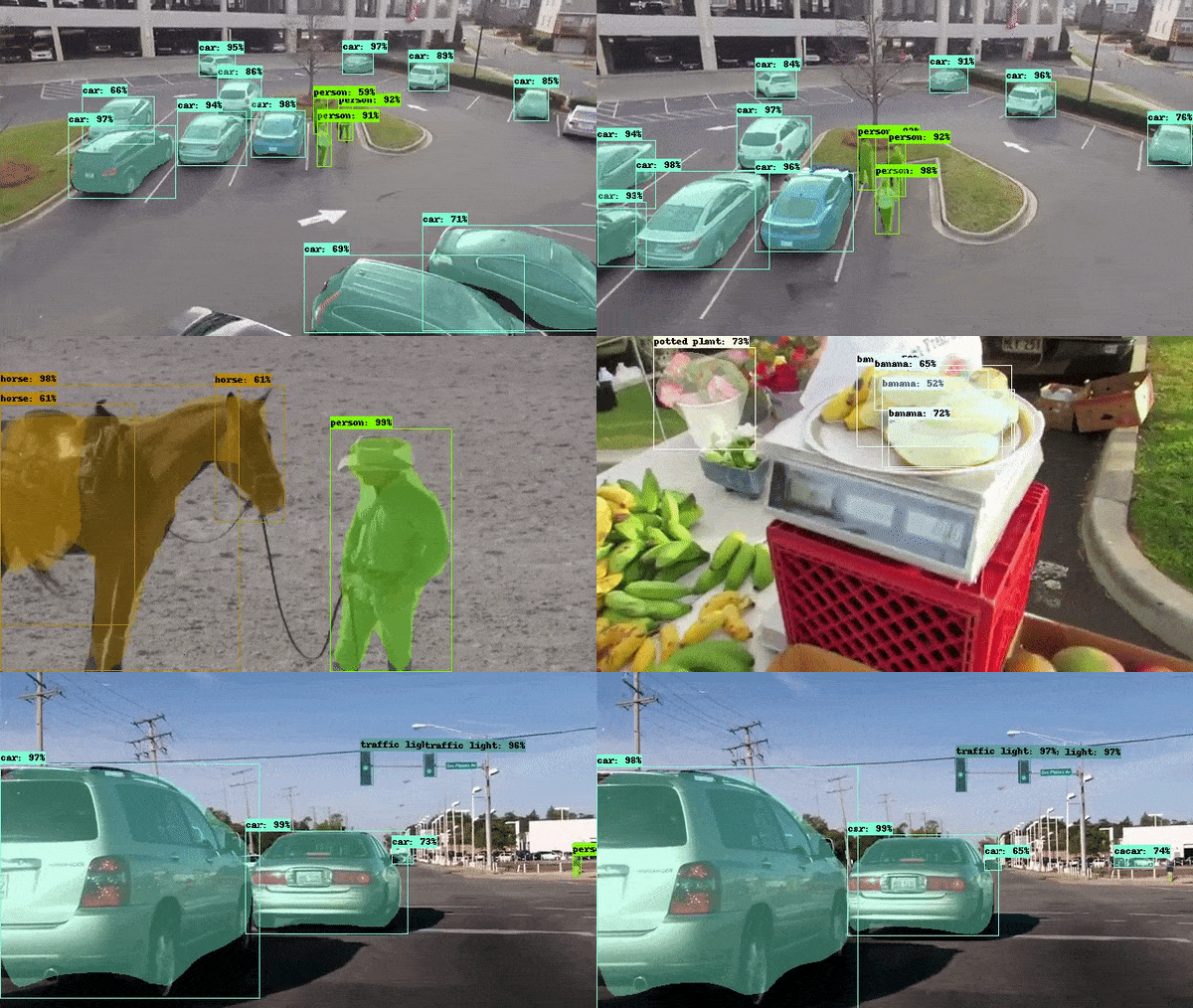
Using Python and OpenCV, they learn how to capture images and video from cameras, manipulate images, extract useful information, identify shapes and colors, track objects, and detect visual features.
They then progress into more advanced Computer Vision applications and are introduced to AI-based visual recognition and detection.
Students use pre-trained AI models and appropriate libraries to enable their Raspberry Pi systems to recognize and detect objects from camera input.
Most importantly, students connect Computer Vision back to the physical engineering systems they have built throughout ExpoTec.
A camera is no longer simply used to display video.
It becomes a sensor capable of providing rich information to a machine.
The system can:
See → Process → Understand → Decide → Act
This allows students to begin developing intelligent robots and machines that react to visual information from the real world.
Learning Objectives
By the end of the course, students will be able to:
- Understand how digital images are represented by computers.
- Understand Pixels, Resolution, and Color Channels.
- Capture images and video using cameras.
- Use OpenCV with Python.
- Read, display, resize, crop, and transform images.
- Work with RGB, Grayscale, and other image representations.
- Apply basic Image Filtering.
- Understand Thresholding.
- Detect basic shapes and visual features.
- Perform Color Detection.
- Understand Contours.
- Track objects through video.
- Process real-time camera streams.
- Understand the difference between traditional Image Processing and AI-based Computer Vision.
- Understand the basic concept of Machine Learning.
- Understand the basic concept of Neural Networks at an introductory level.
- Use Pre-Trained AI Models.
- Perform basic Object Detection.
- Process detection results programmatically.
- Connect visual detection results to physical machine behavior.
- Build Raspberry Pi-based Computer Vision applications.
- Integrate Cameras + Python + AI + Electronics + Robotics into intelligent systems.
Description
Students build a strong foundation in Electrical and Electronics Engineering, progressing from fundamental DC electrical principles to the design and manufacturing of complete electronic circuits and printed circuit boards.
Students begin by understanding and calculating Voltage, Current, Resistance, Power, and Energy, then analyze Series and Parallel circuits using Ohm's Law and Kirchhoff's Laws.
They investigate electronic components including Resistors, Capacitors, Diodes, Transistors, MOSFETs, Voltage Regulators, and Operational Amplifiers, learning not only how each component works but also how engineers select and calculate appropriate component values.
Students then progress to practical engineering circuits including Power Supplies, Voltage Regulation, Filtering, Protection, Switching, Motor Driving, Signal Conditioning, and Amplification.
Finally, students transform their circuits into professional Single-Layer and Double-Layer PCBs, learning schematic design, PCB layout, routing, grounding, manufacturing files, soldering, testing, and PCB fabrication using processes including CNC PCB Manufacturing.
By the end of the course, students move from assembling circuits to designing, calculating, manufacturing, testing, and troubleshooting their own electronic systems.
Learning Objectives
By the end of the course, students will be able to:
- Understand Voltage, Current, Resistance, Power, and Energy in DC electrical systems.
- Apply Ohm's Law to analyze and design electrical circuits.
- Analyze Series and Parallel circuits.
- Apply Kirchhoff's Voltage Law and Kirchhoff's Current Law.
- Calculate voltage, current, resistance, and power requirements.
- Select appropriate component values and power ratings.
- Use a Digital Multimeter to measure Voltage, Current, Resistance, and Continuity.
- Understand the behavior and applications of Resistors and Capacitors.
- Understand RC charging, discharging, filtering, and timing.
- Understand semiconductor fundamentals.
- Use Diodes, LEDs, Zener Diodes, and Rectifier Diodes correctly.
- Understand BJT Transistors and MOSFETs.
- Design transistor-based switching and load-driving circuits.
- Understand basic amplification.
- Design basic DC Power Supply and Voltage Regulation circuits.
- Understand Linear Regulators, LDOs, Buck and Boost Converter concepts.
- Design basic electronic Protection Circuits.
- Understand the fundamentals of Operational Amplifiers.
- Build Comparator, Buffer, Amplifier, and Signal Conditioning circuits.
- Read and create electronic schematics.
- Analyze electronic systems as functional circuit blocks.
- Prototype circuits and verify their operation using measurements.
- Troubleshoot common electronic circuit problems.
- Design Single-Layer PCBs.
- Design Double-Layer PCBs using Vias and Copper Planes.
- Understand PCB design rules, track widths, clearances, grounding, and component placement.
- Generate Gerber, Drill, and manufacturing files.
- Understand PCB manufacturing workflows.
- Manufacture PCBs using CNC PCB manufacturing equipment.
- Assemble and solder Through-Hole and SMD components.
- Test manufactured PCBs before and after power-up.
- Complete an electronic product from Requirements → Calculations → Circuit → PCB → Manufacturing → Testing.