StarTec Program
From Coding to Intelligent Robotic Systems
Ages: from 8 to 11 years old
StarTec is a progressive engineering journey that takes students from the fundamentals of programming and electronics to building smart systems, autonomous robots, advanced automation projects, and robotic arms.
Students do not learn programming, electronics, and robotics as separate subjects. Instead, they discover how these fields work together to create real engineering systems that can:
Sense → Process → Decide → Act
The journey begins with Arduino programming and Input/Output control, progresses into sensors and actuators, then robotics and advanced engineering systems, and concludes with designing, assembling, and programming a complete robotic arm.
Select your Course
1
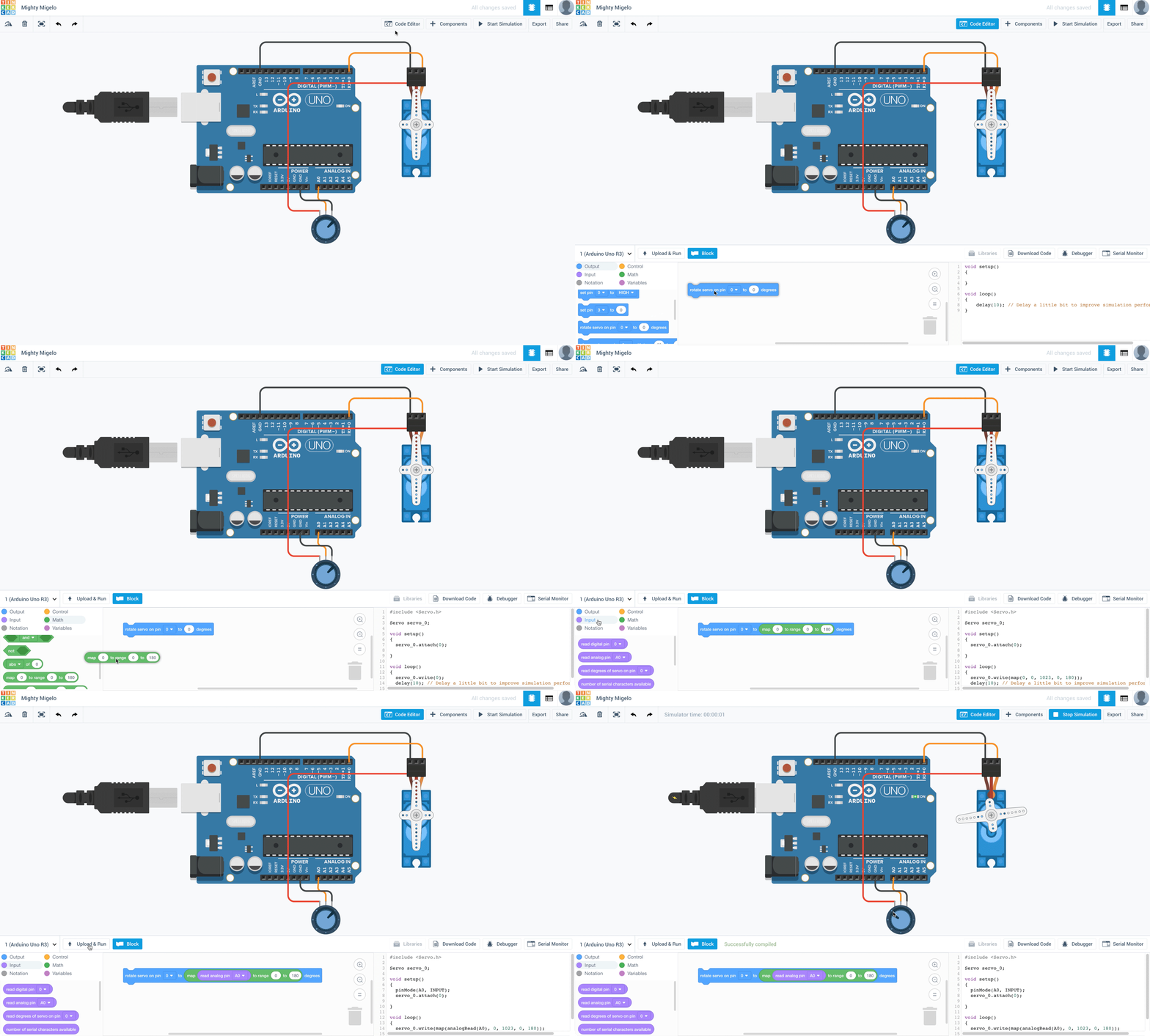
Arduino & Blocks coding
"Make Systems Think"
Student Mindset: I can make a system think.
5 Months - 400 Points
Core Projects
- Smart LED Control
- Automatic Light Dimmer
- Digital Switch Control
- Multi-Input Control System
- Password / Code Logic System
- Serial Command Controller
- Serial Monitoring System
2
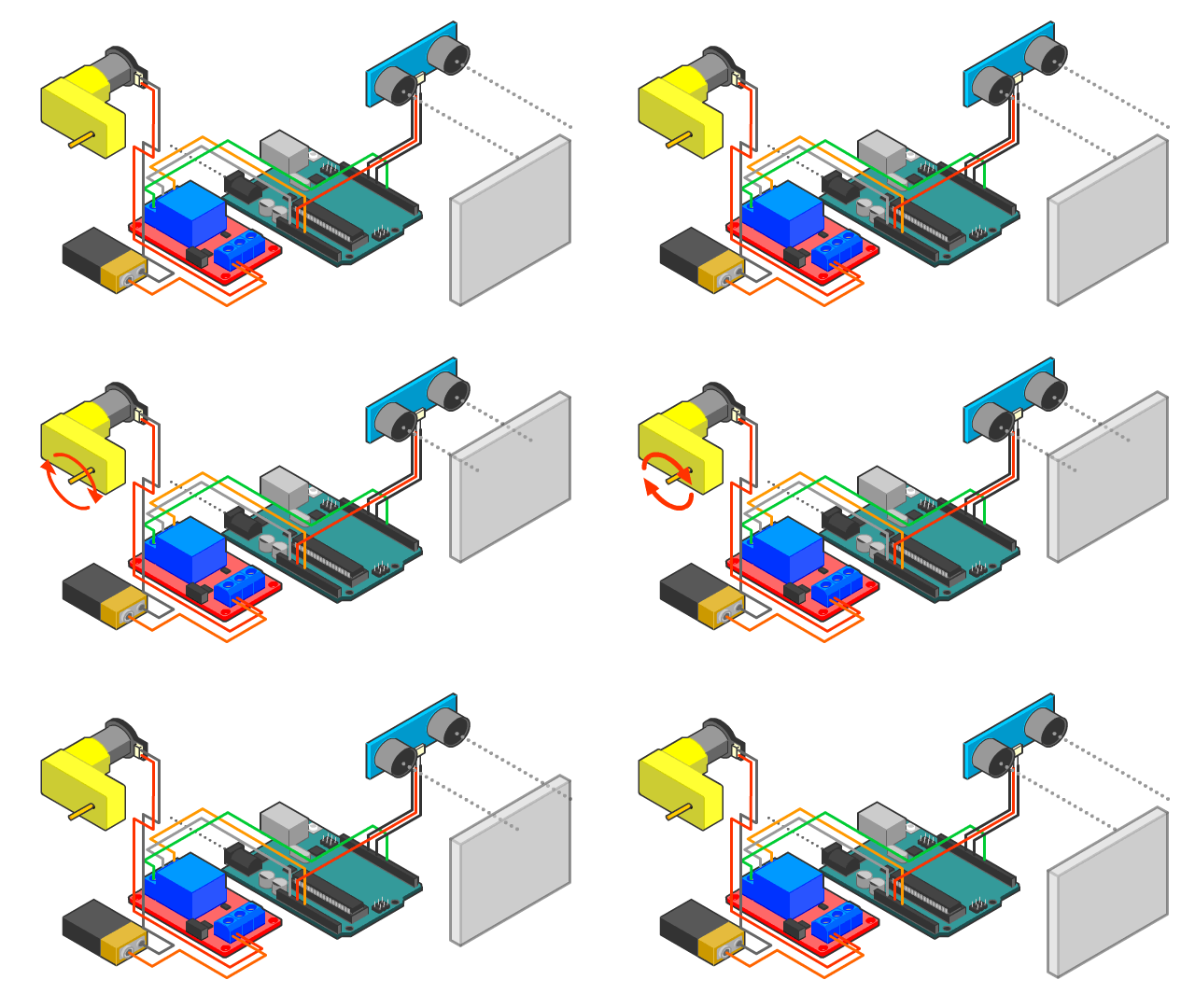
Arduino & electronics interfacing
" Sense and Control the World"
Student Mindset: I can make a system sense and interact with the real world.
5 Months - 400 Points
Core Projects
- Fire Fighting System
- Automatic Irrigation System
- Relay Control Circuit
- Tone Melody System
- Radar System
- Smart Greenhouse Control System
- Smart Railway Crossing Gate
- Bluetooth-Controlled System
3
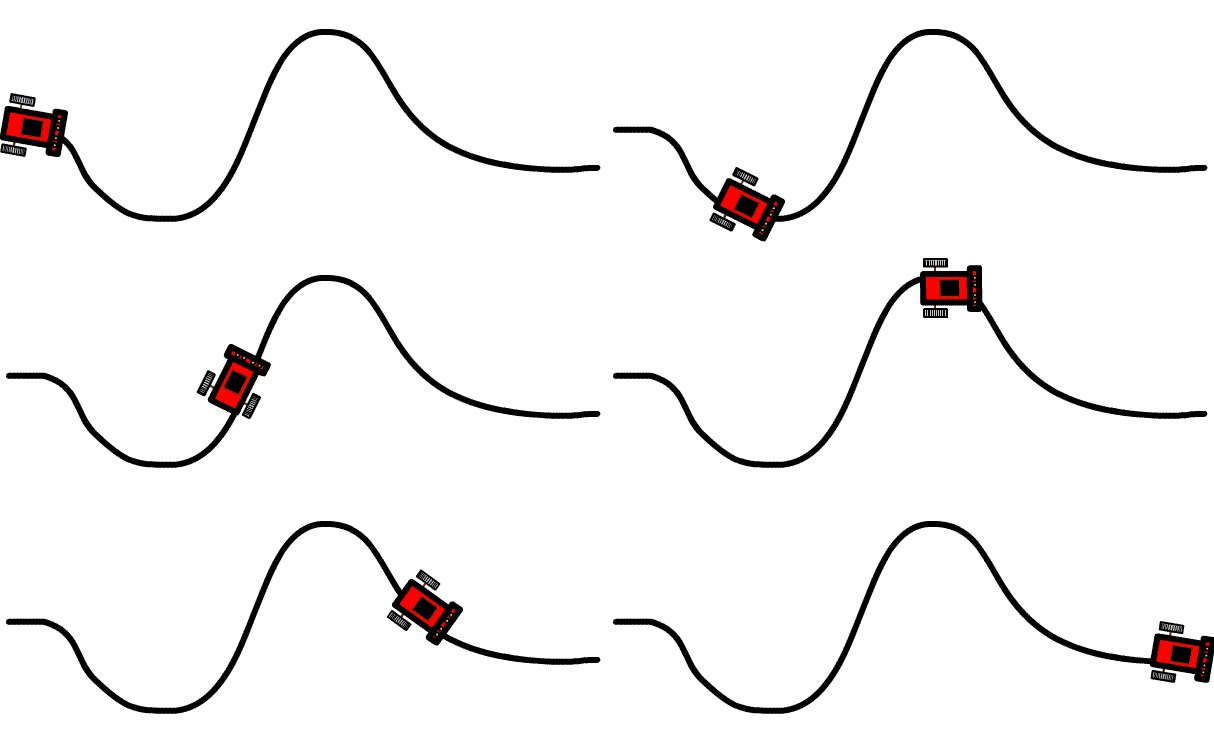
Robotics
"Build Machines That Move"
Student Mindset: I can make a machine sense, decide, and move.
4 Months - 400 Points
Core Projects
- Path Planning Robot
- Obstacle Avoidance Robot
- Line Follower Robot
- Mobile-Controlled RC Robot
- Forklift Robot
- Cleaner Robot
4
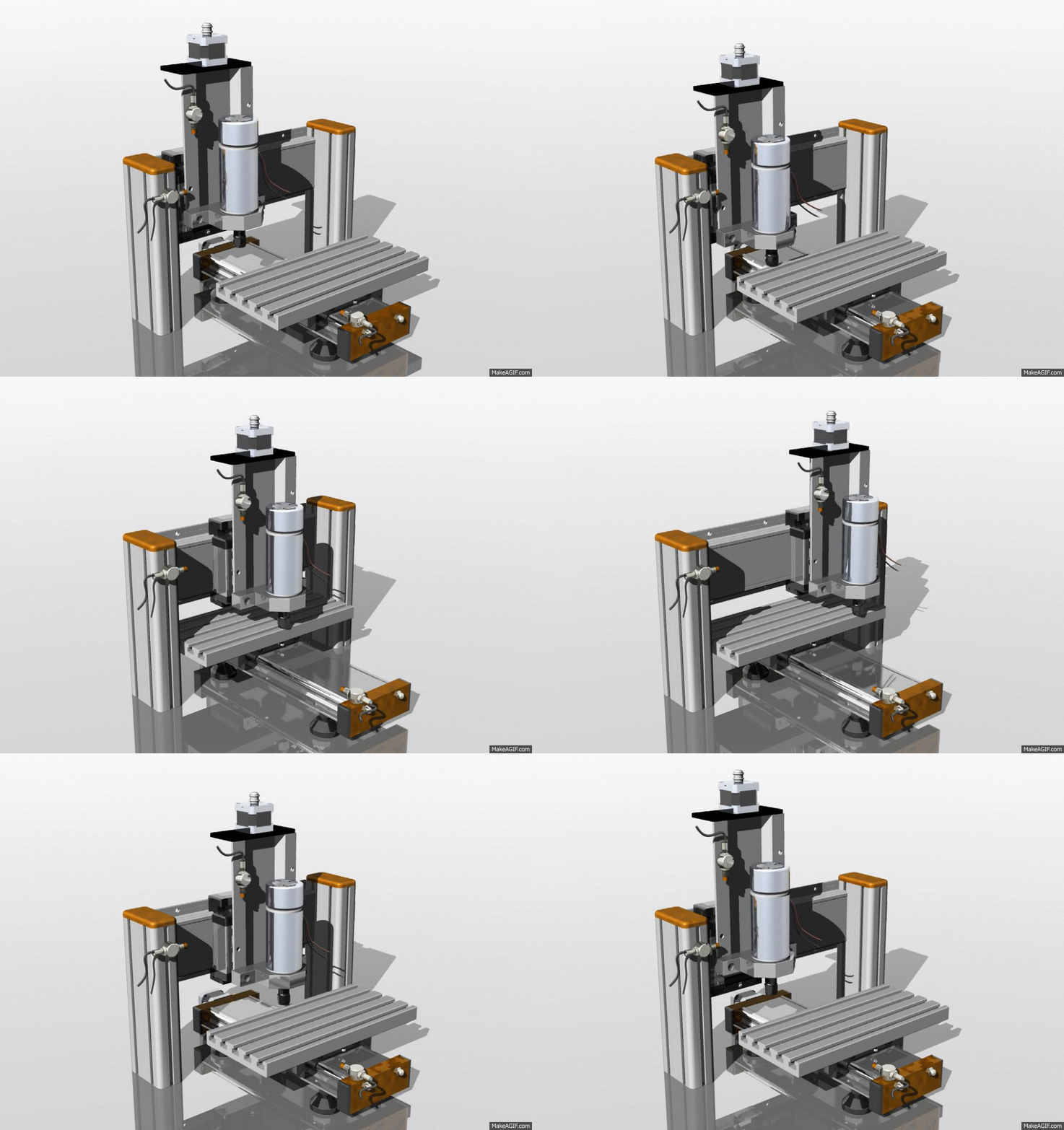
Advanced Arduino projects
"Build Complete Smart Systems"
Student Mindset: I can make different technologies work together as one smart system.
5 Months - 400 Points
Core Projects
- Smart Street Light
- Smart Parking System
- Sorting Machine
- Elevator
- Money Safe
- Vending Machine
- Crane
5
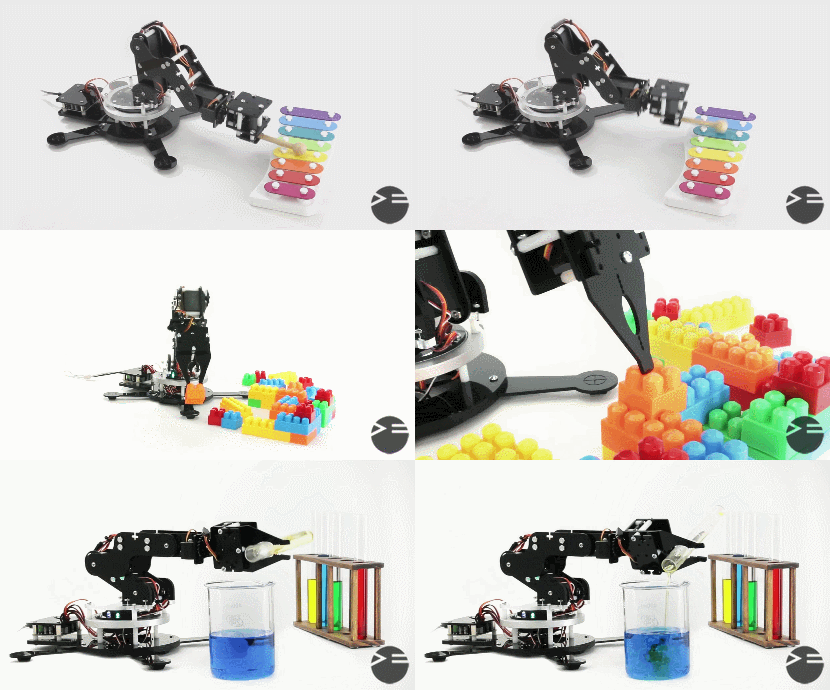
Robot Arm for Kids
"Make Robots Manipulate Objects"
Student Mindset: I can make a robot move, interact, and perform physical tasks.
3 Months - 400 Points
Core Projects
- Manual-Control Robot Arm
- Automatic Robot Arm
- Pick & Place System
- Object Transfer System
- Sorting with Robot Arm
- Automated Motion Sequence
More Than Arduino
Students Learn How Real Technology Works
At StarTec, Arduino, sensors, motors, and electronic components are not the final goal.
They are engineering tools used to introduce students to the fundamental concepts behind modern technological systems.
Through age-appropriate projects, students begin exploring principles that appear — at much more advanced levels — inside aircraft, autonomous vehicles, industrial machines, smart buildings, and robotic systems.
They learn Real-World Engineering Concepts
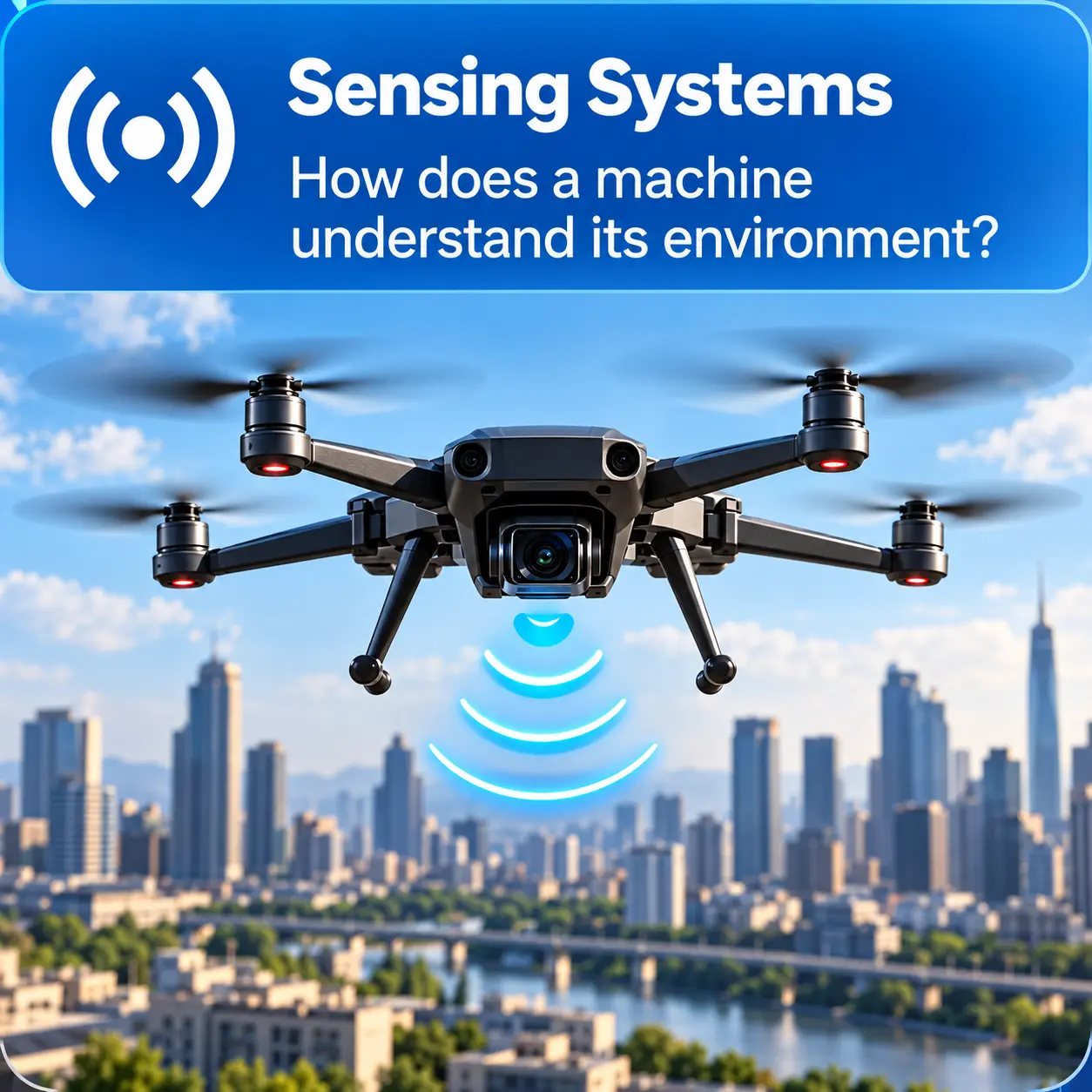
How does a machine understand its environment?
Students learn how sensors convert changes in the physical world into information that a system can process.
The same fundamental principle is used in vehicles to detect obstacles, smart agriculture systems to monitor environmental conditions, and aircraft to measure variables required for flight.
Physical World → Sensor → Data
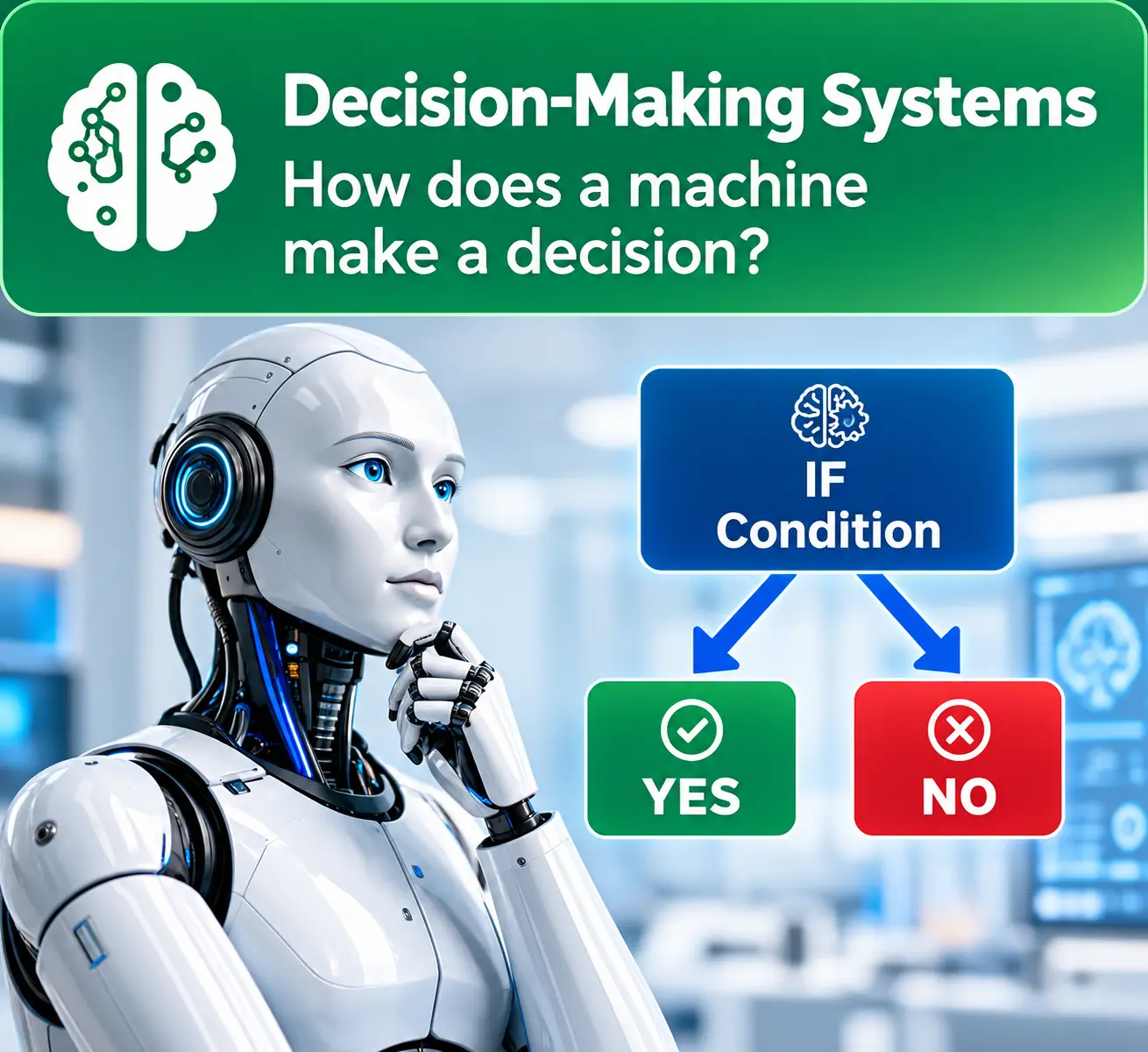
How does a machine make a decision?
Students learn that receiving information is only the beginning.
A system can process that information, evaluate conditions, and determine what action should happen next.
Input → Process → Decision → Action
This is one of the fundamental ideas behind automation and intelligent robotic systems.
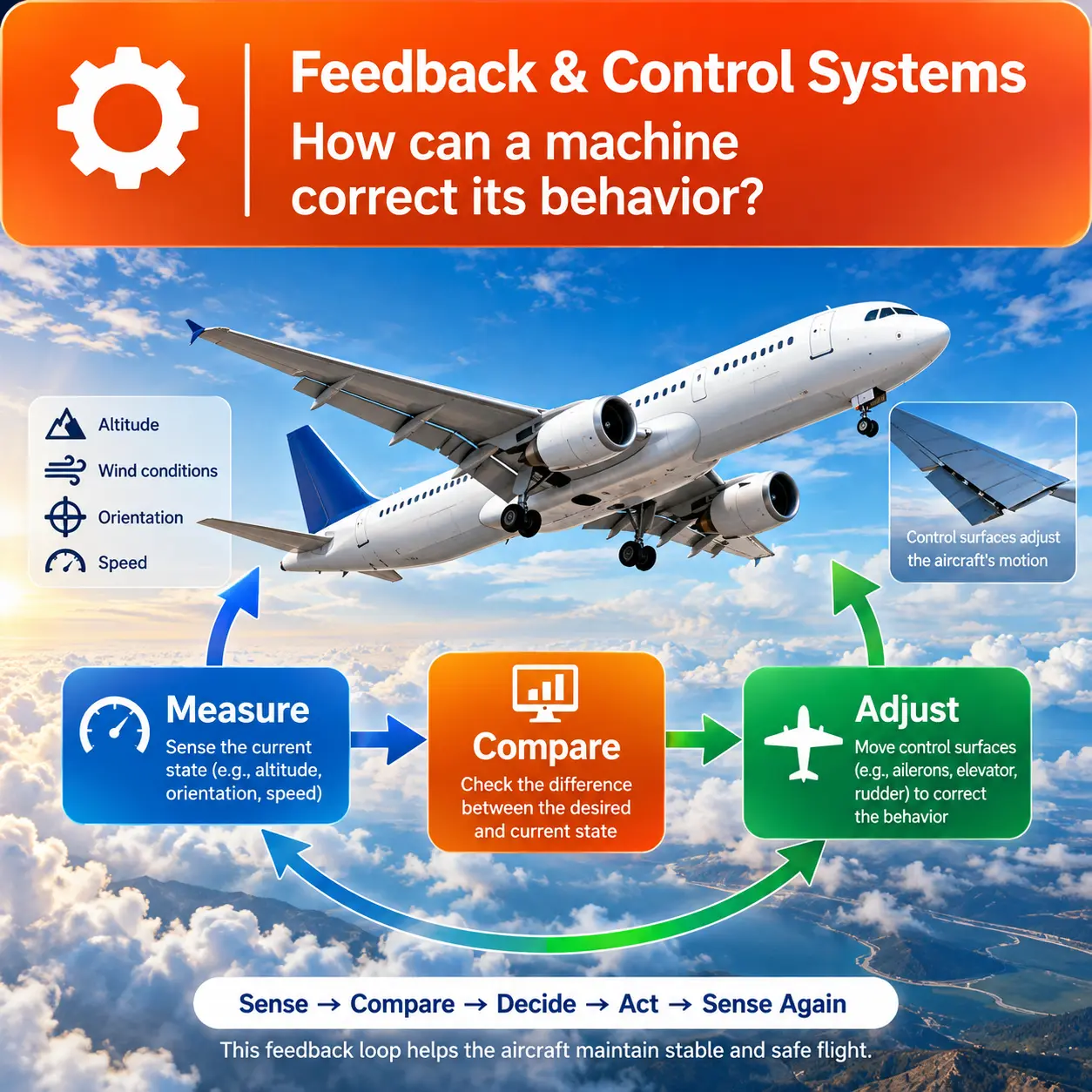
How can a machine correct its behavior?
Students are introduced to the idea that a system can observe what is happening, compare it with what should happen, and adjust its behavior accordingly.
Sense → Compare → Decide → Act → Sense Again
At much more advanced levels, this principle is used throughout engineering.
For example, aircraft control systems continuously use information about the aircraft's motion and state to command control surfaces and help maintain the desired flight behavior.
Students begin developing the fundamental thinking behind Feedback and Closed-Loop Control Systems.
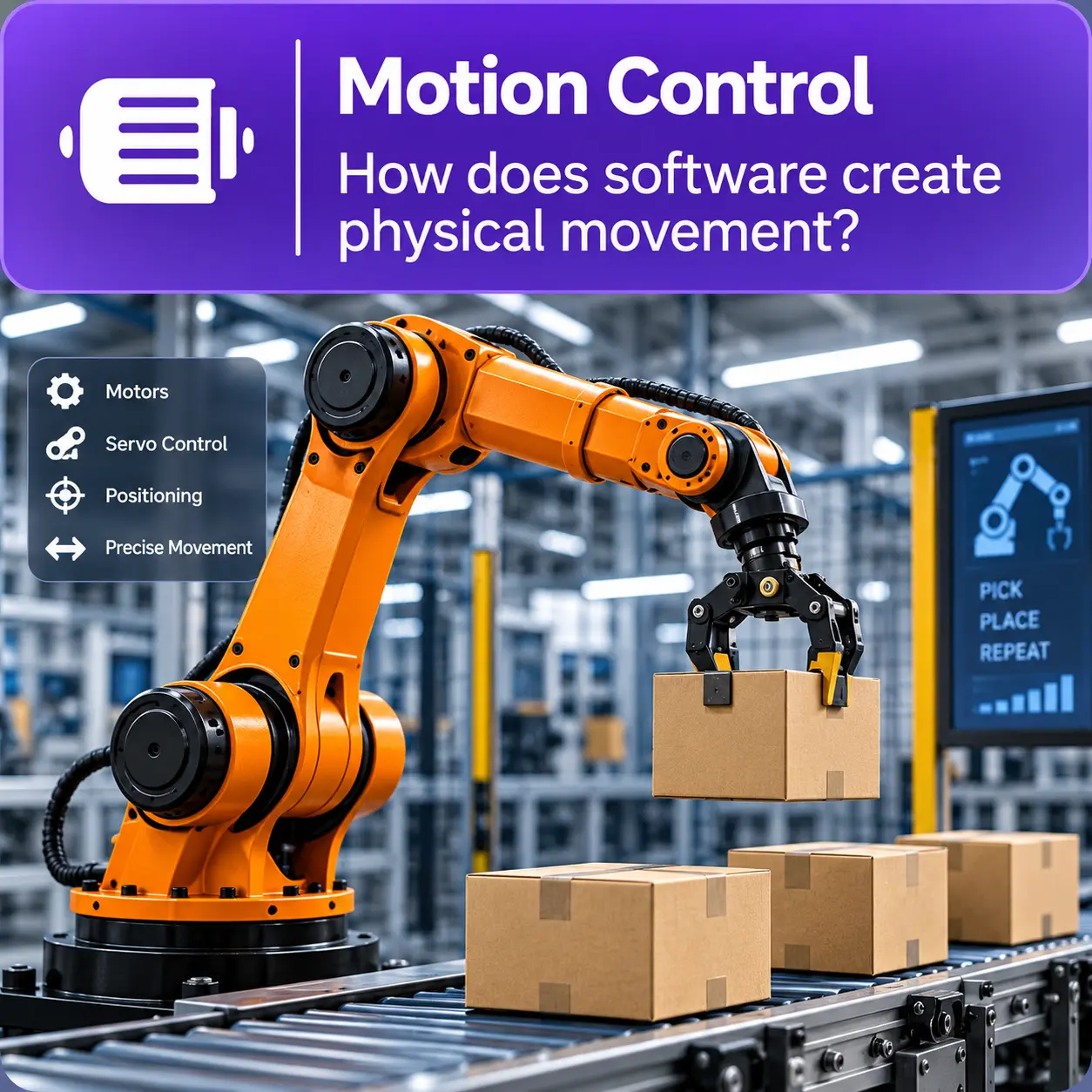
How does software create physical movement?
By controlling DC and Servo Motors, students discover how a software decision can become real mechanical motion.
The same fundamental concept appears in:
Robotic Arms • Elevators • Automatic Gates • CNC Machines • Industrial Robots • Mobile Robots
Students begin connecting:
Code → Electronics → Actuator → Mechanical Motion
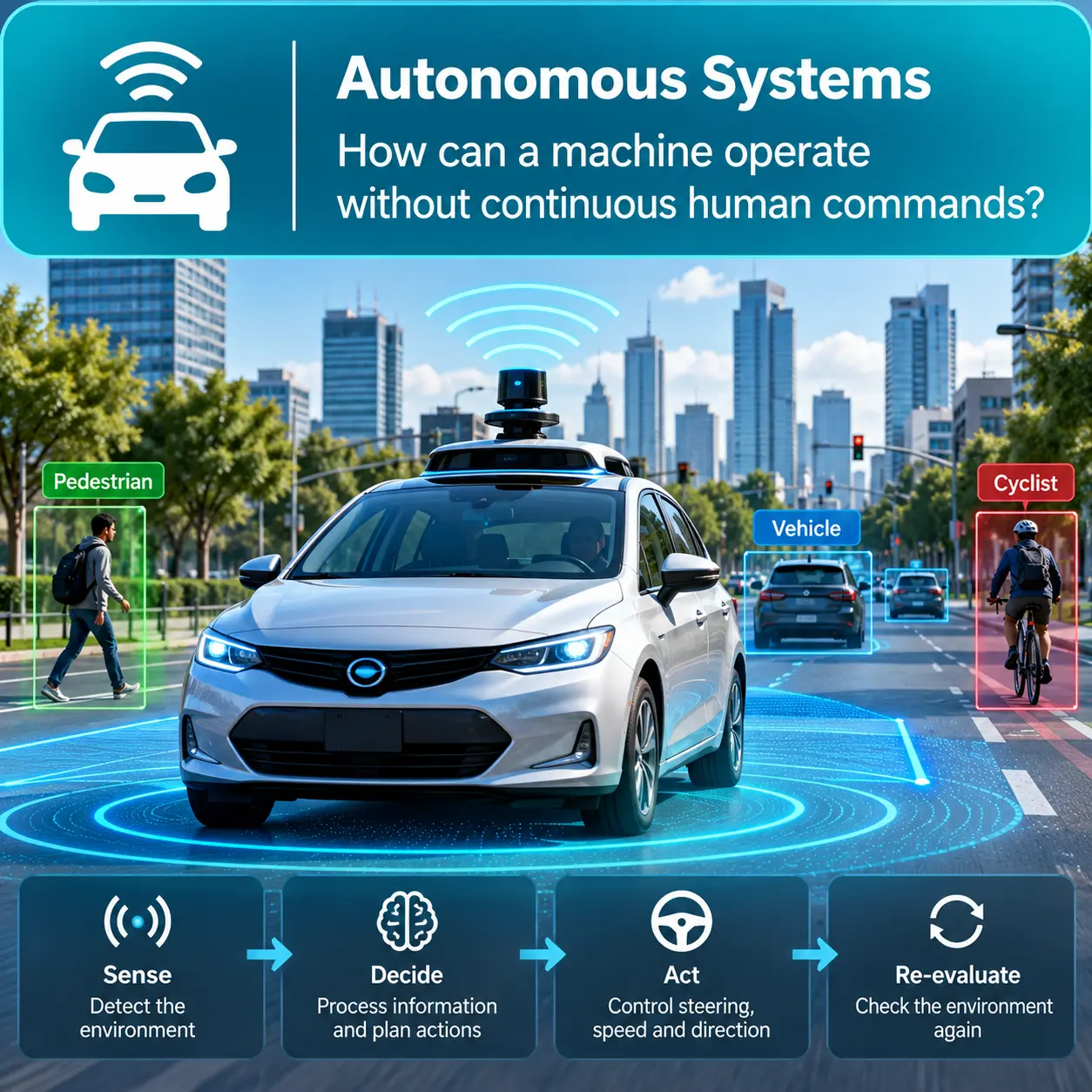
How can a machine operate without continuous human commands?
Through robots such as the Obstacle Avoidance Robot, students build systems capable of repeatedly:
Sensing → Deciding → Moving → Re-evaluating
This introduces the basic architecture behind autonomous robotic systems.
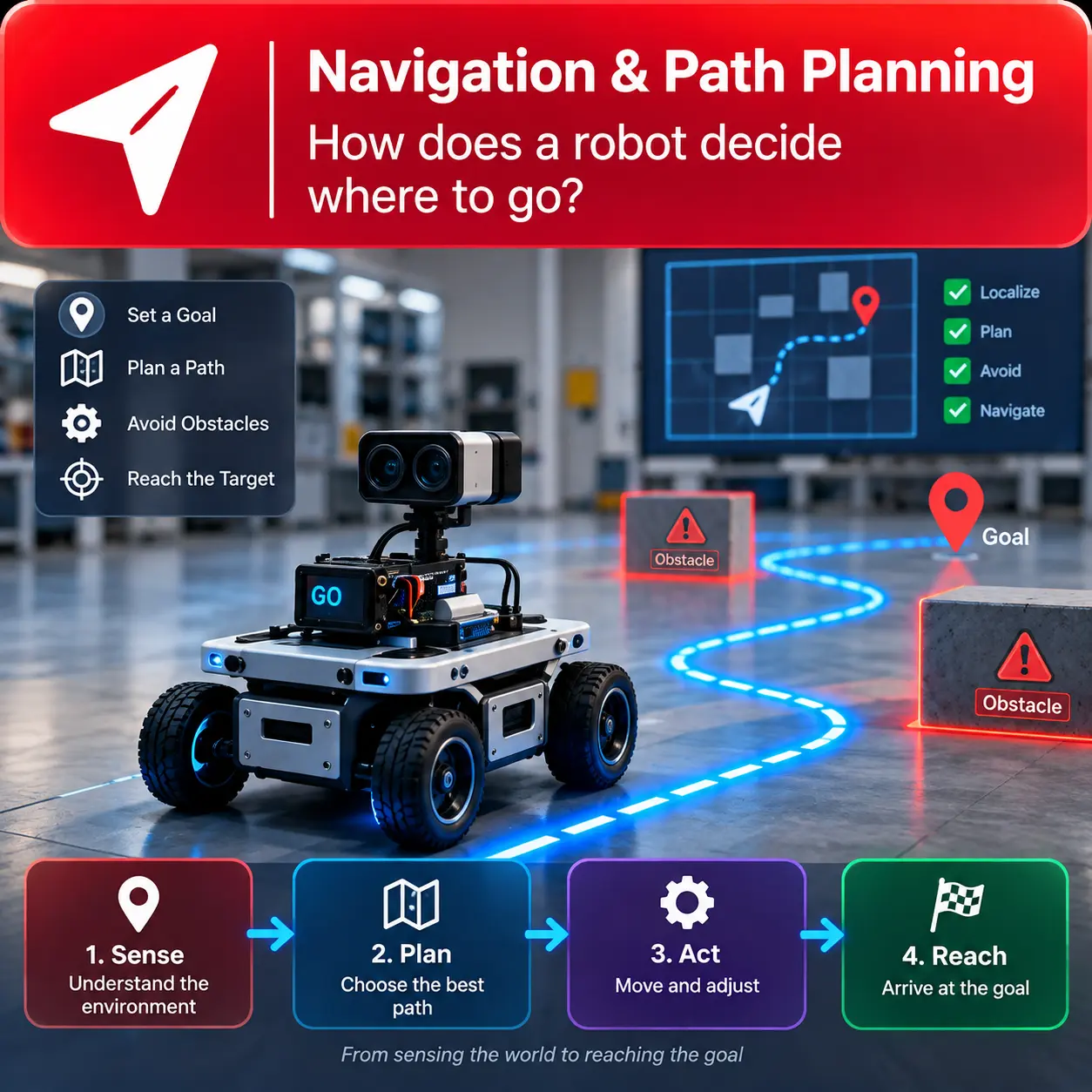
How does a robot decide where to go?
Robot movement is more than Forward, Backward, Left, and Right.
Students begin learning how a robot can follow a planned sequence of movements, react to its environment, and reach a target.
This introduces concepts from:
Robot Navigation • Path Planning • Environment Interaction
These principles later appear at much more advanced levels in mobile robots, warehouse robots, and autonomous vehicles.
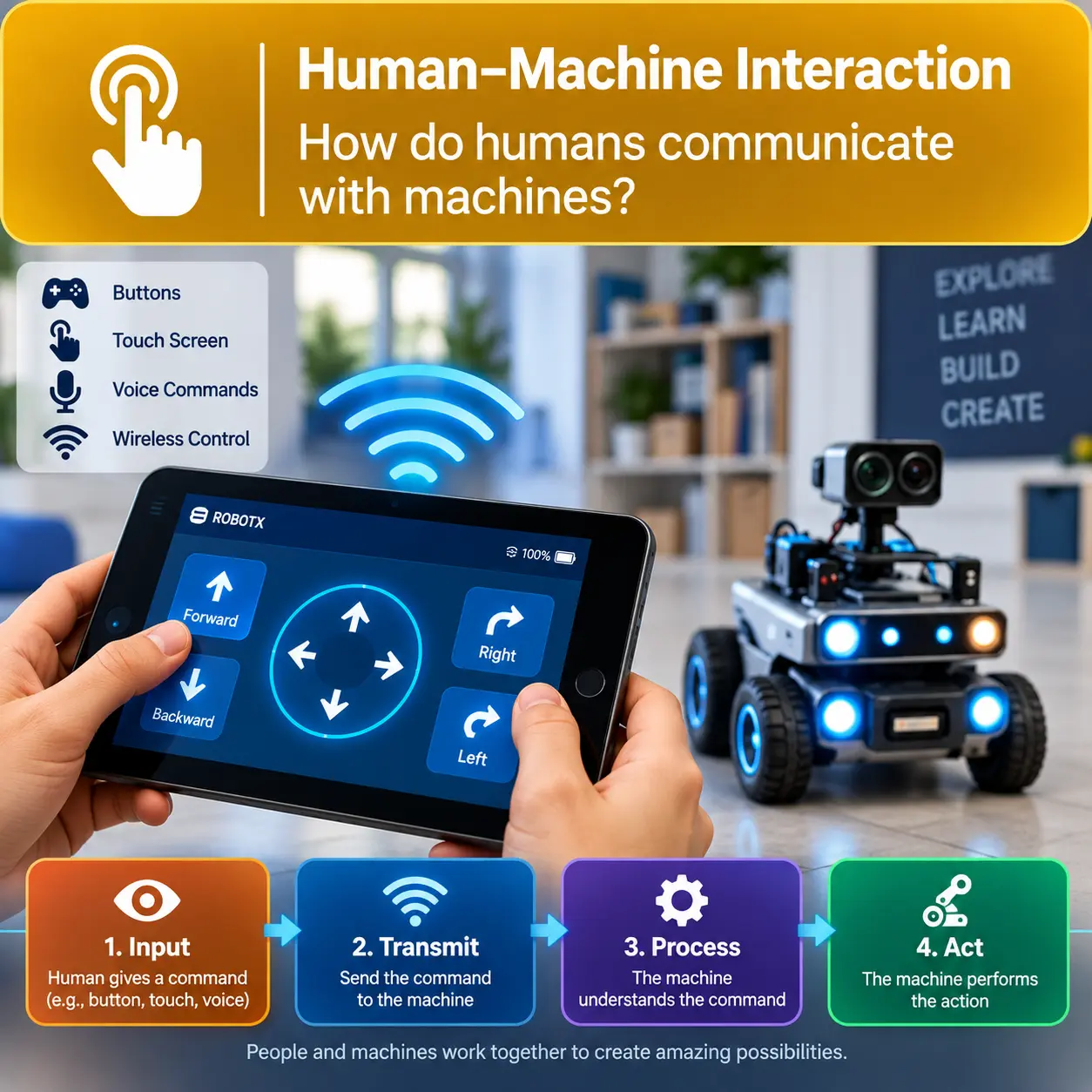
How do humans communicate with machines?
Through Buttons, Bluetooth, and Mobile Applications, students explore how humans can send commands to and control electronic systems.
This introduces the fundamental idea behind:
HMI — Human–Machine Interaction
used throughout industrial machines, control systems, vehicles, and robotics.
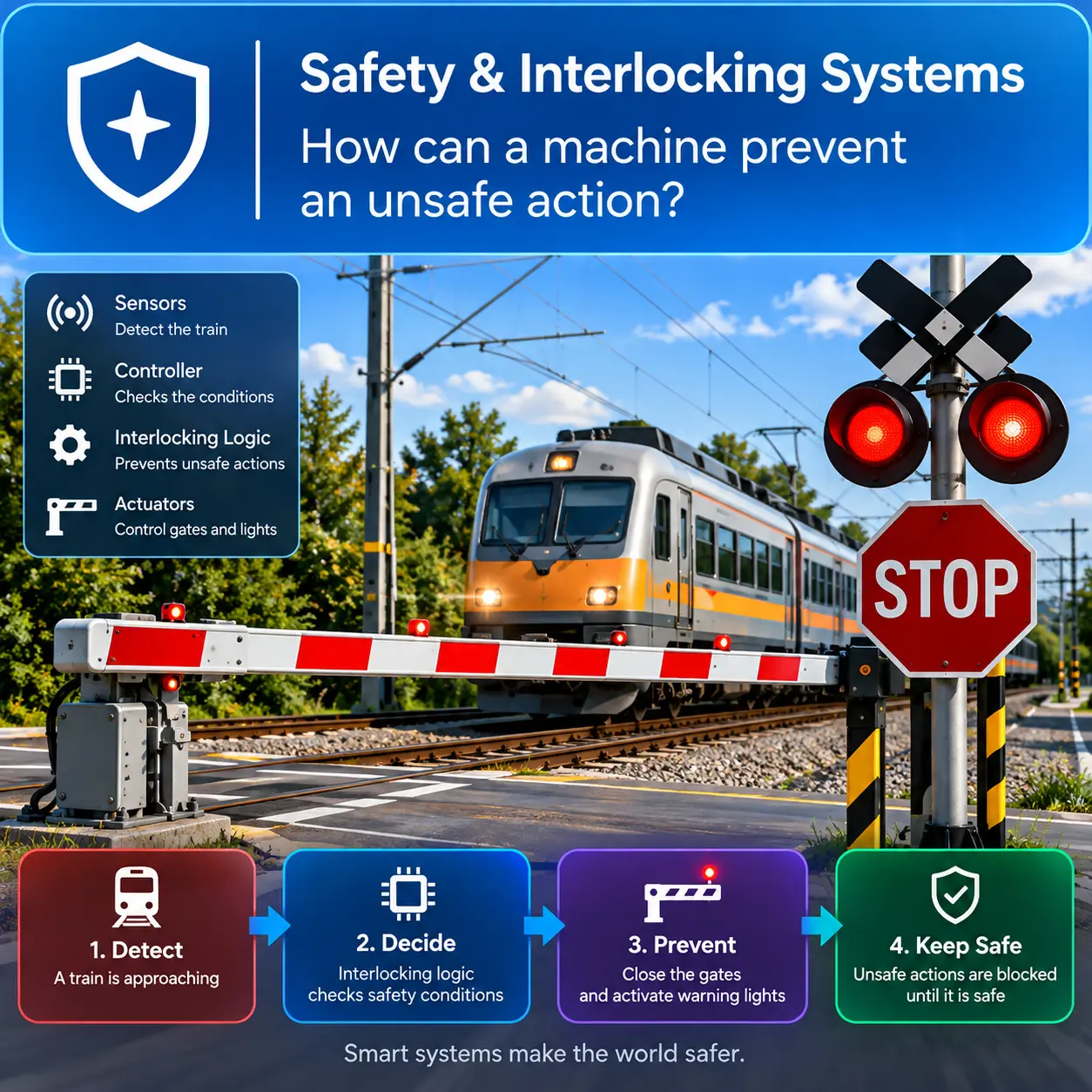
How can a machine prevent an unsafe action?
Through projects such as an Elevator and Railway Crossing Gate, students learn that real systems cannot simply execute every command they receive.
Certain conditions must be satisfied before an operation is allowed.
Check Conditions → Allow or Prevent Action
This introduces the fundamental idea behind Safety and Interlocking Systems used throughout transportation, industrial automation, and machinery.
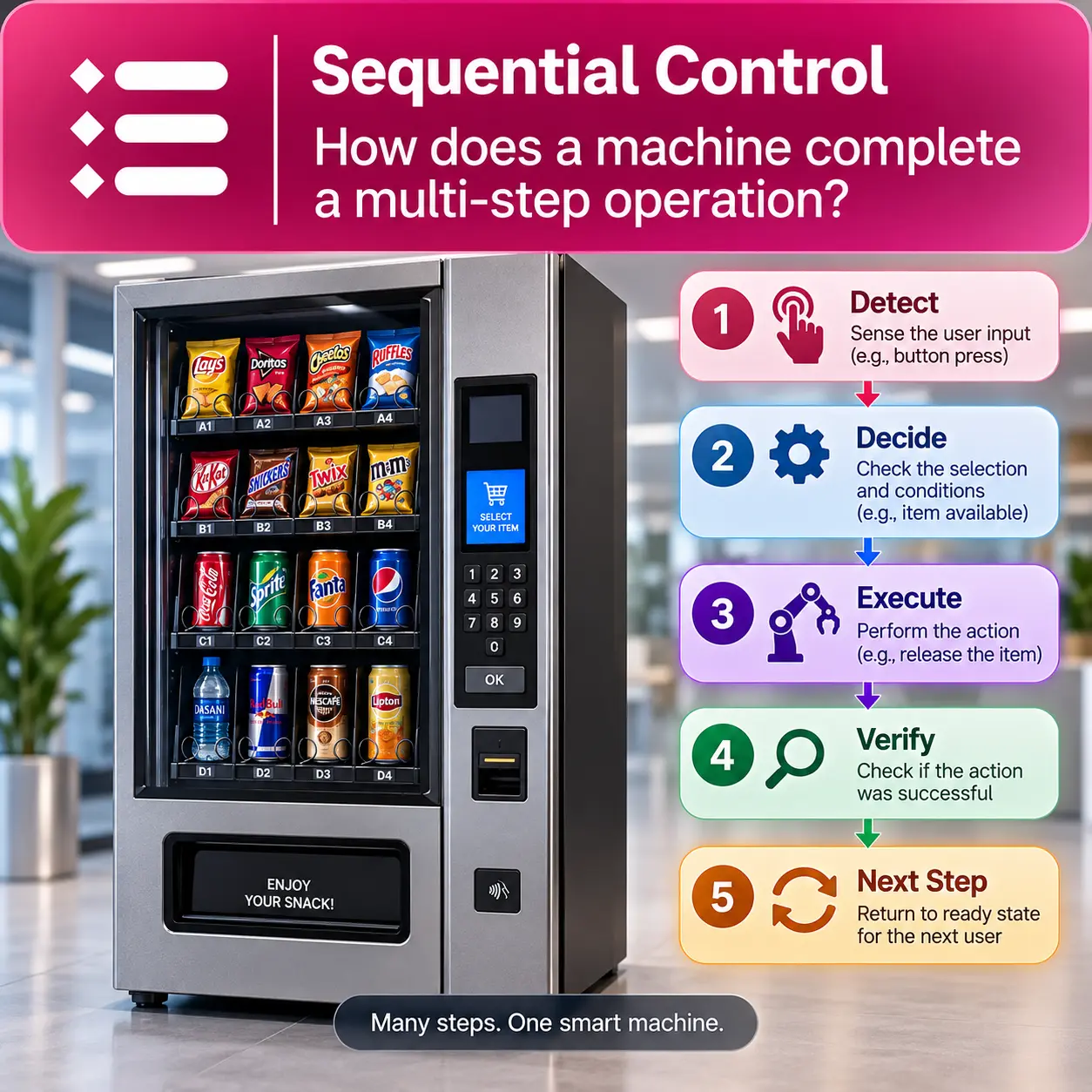
How does a machine complete a multi-step operation?
Projects such as:
Elevator • Vending Machine • Sorting Machine
teach students that many machines operate through an organized sequence of states.
Wait → Detect → Decide → Execute → Verify → Next State
This provides an introduction to Sequential Control and State-Based Systems, important concepts in automation.
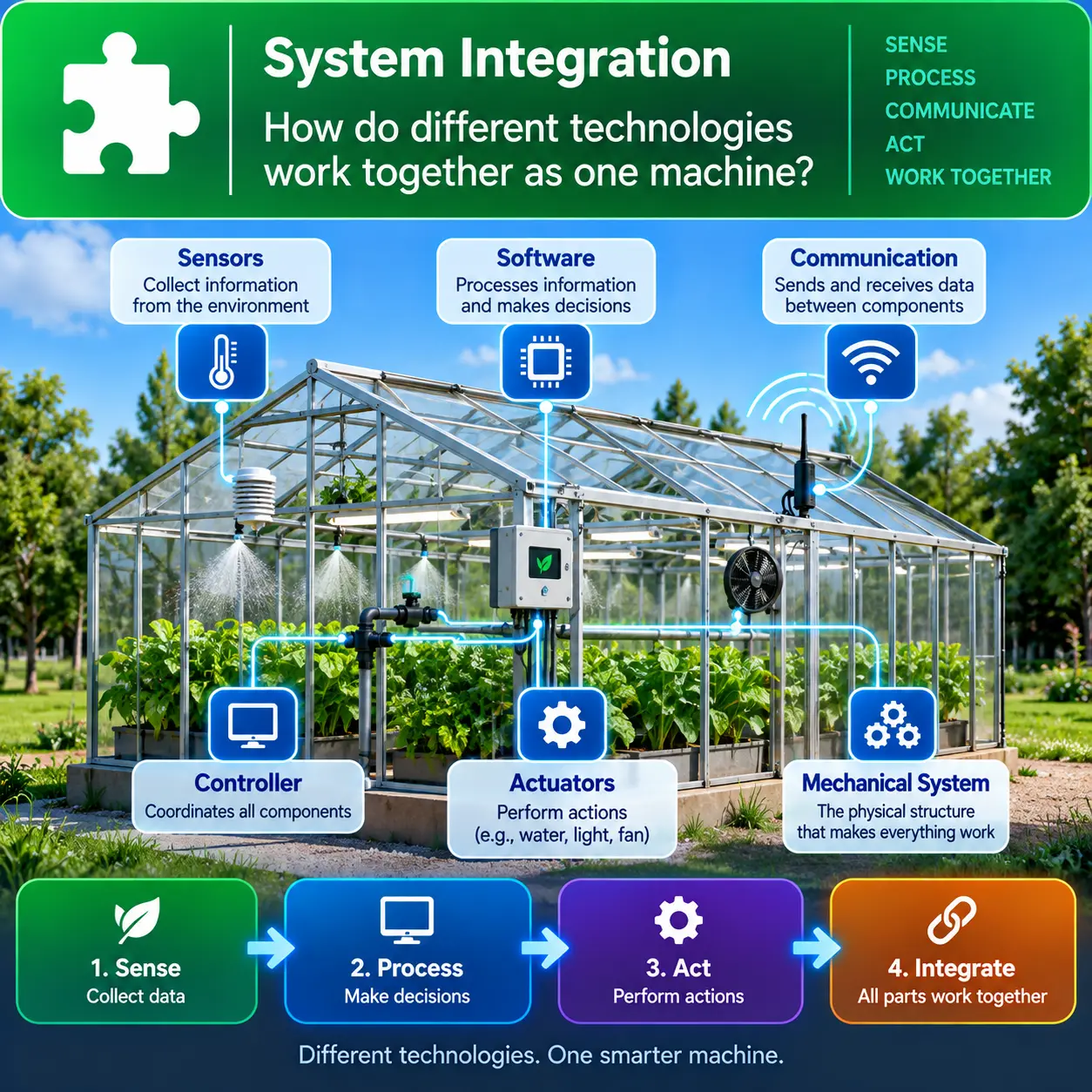
How do different technologies work together as one machine?
As students progress through StarTec, their projects become complete systems rather than individual circuits.
They learn to integrate:
Sensors + Controller + Software + Communication + Actuators + Mechanical Systems
so that all parts work together toward one objective.
This is the foundation of:
Mechatronics & System Integration
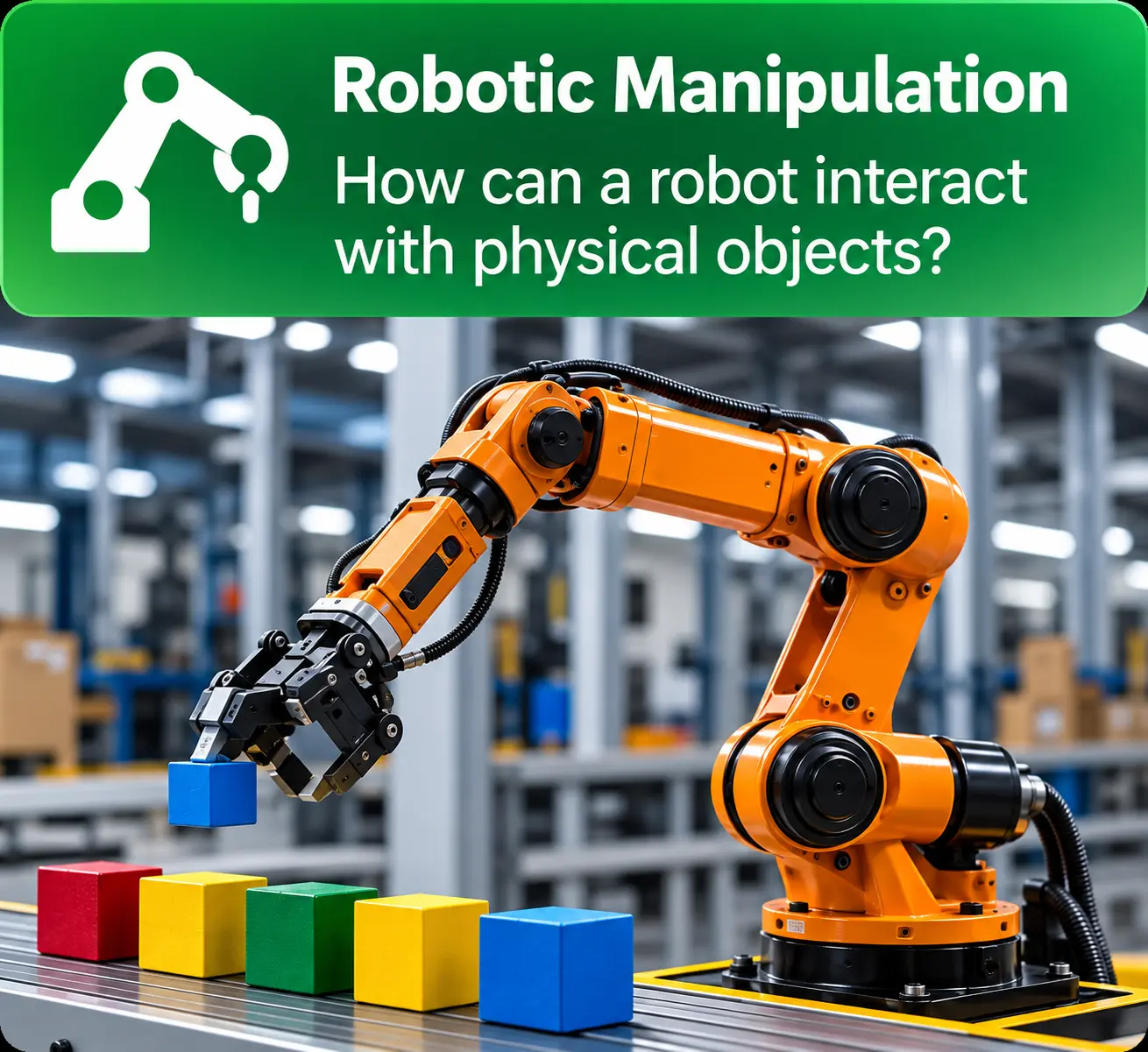
How can a robot interact with physical objects?
During the Robot Arm course, students explore:
Links • Joints • Degrees of Freedom • Grippers • Motion Sequences • Pick & Place
They begin understanding the fundamental principles behind robotic manipulators used in industrial automation and robotics.
How a StarTec Student Thinks
We Don't Teach Students to Copy Projects. We Teach Them to Think Like Engineers.
As students progress through StarTec, they begin approaching systems through a different set of questions:
What does the system need to sense?
What information does it receive?
How should that information be processed?
What decision should the system make?
What should it control?
How should the system respond?
Did the system achieve its objective?
This gradually transforms project building into Engineering Problem Solving.
By the End of StarTec
From the First LED to a Complete Robotic Arm
By the end of the StarTec journey, students have progressed from controlling their first Arduino circuit to building systems capable of sensing their environment, making decisions, controlling motion, communicating, and performing physical tasks.
They develop strong foundations in:
Programming • Electronics • Arduino • Sensors & Actuators • Control Systems • Automation • Robotics • System Integration • Engineering Problem Solving
Most importantly, students begin seeing technology differently.
An aircraft is no longer simply a machine that flies.
An elevator is no longer simply a box that moves between floors.
A robot is no longer simply a machine that moves.
Students begin seeing the systems inside them:
Sensors → Data → Controller → Decision → Actuators → Motion → Feedback
And they begin asking the most important engineering question:
“How does this system work — and how could I build it?”
That is the engineering mindset we build through StarTec.