EXPOtec - Level 3
ExpoTec Level 3 represents the transition from advanced mechatronics into Intelligent Systems, Computer Vision, and AI-powered technology.
After learning how to build embedded systems, robots, control systems, robotic arms, and manufacturing machines in previous levels, students are now ready to give these machines a higher level of computing capability.
Students begin by developing a strong foundation in Python Programming, progressing from programming fundamentals to advanced software development and problem solving.
They then move from microcontrollers to Raspberry Pi and Linux, discovering how a complete computer can become the brain of an engineering system. Students learn to control hardware through GPIO, interface sensors and actuators, communicate with external devices, and develop graphical applications that allow users to interact with their projects.
Finally, students enter the world of Computer Vision and Artificial Intelligence.
Using Python, Raspberry Pi, cameras, OpenCV, and AI libraries, students learn how machines can capture images, process visual information, detect objects, recognize patterns, and make decisions based on what they see.
By the end of Level 3, students progress from building and controlling machines to developing Intelligent Engineering Systems capable of sensing, seeing, processing information, and making decisions.
Select your Course
First Course/
Python programming
Build a strong foundation in Python and develop the programming skills required for advanced software, engineering, Computer Vision, and AI applications.
Core Projects:
- Quiz & Exam System: Build an interactive quiz system that asks questions, checks answers, calculates scores, and displays the final result.
- Tic-Tac-Toe Game: Develop a complete Tic-Tac-Toe game using Python while applying functions, lists, conditions, loops, and game logic.
- Student Records Search & Sorting System: Build a student records system and apply Searching and Sorting Algorithms to find and organize students by ID, name, or grade.
- Library Management System: Develop a library system using Object-Oriented Programming (OOP) to manage books, students, borrowing, returning, and searching.
- Simple Banking System: Build a simulated banking system using Classes and Objects to manage customers, accounts, deposits, withdrawals, and transactions.
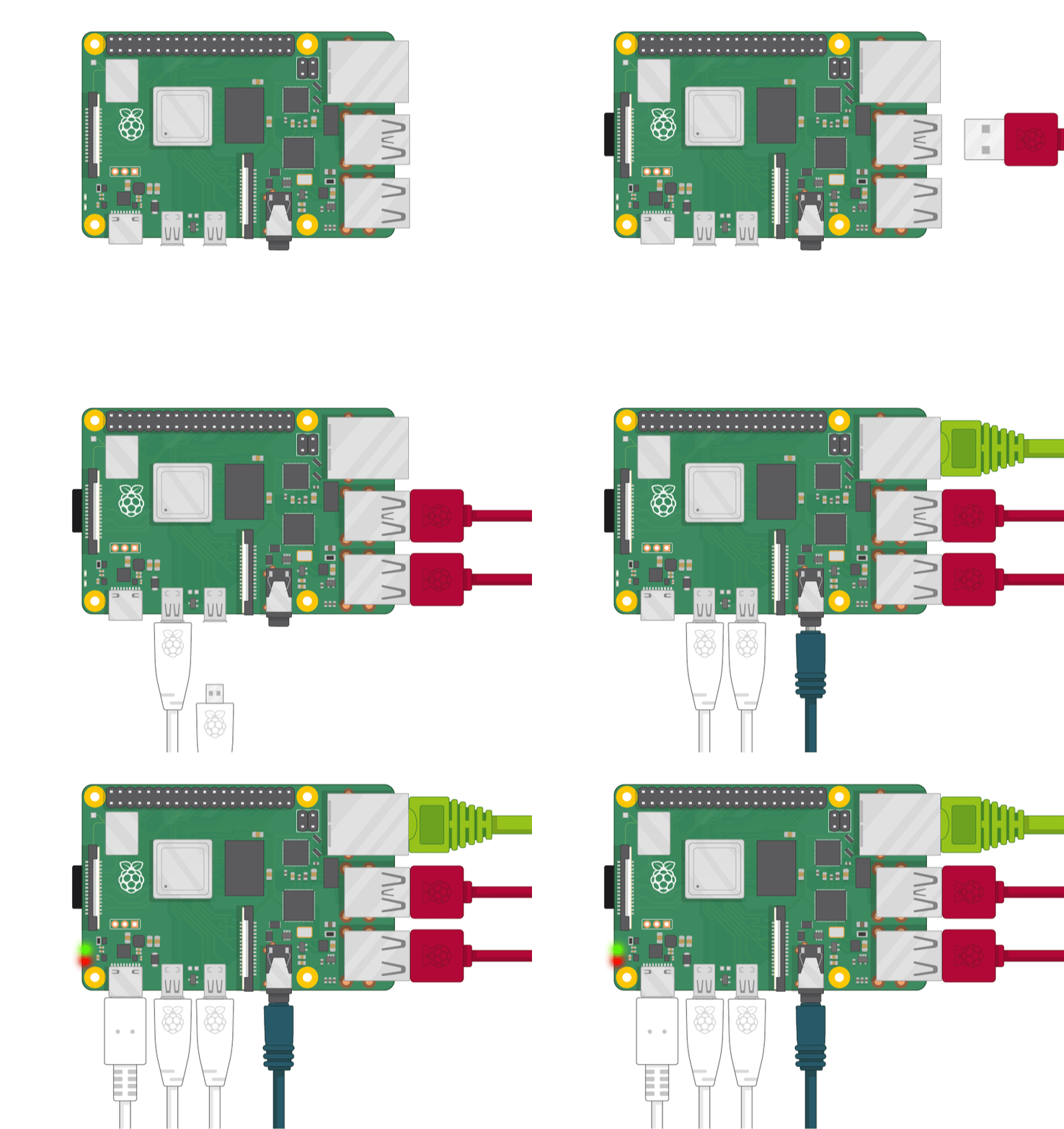
Second Course/
Raspberry Pi & Linux
Move beyond microcontrollers and learn how to build complete computer-based engineering systems using Raspberry Pi, Linux, GPIO, and graphical software.
Core projects:
- Raspberry Pi Hardware Control System: Control sensors and actuators through GPIO using Python.
- Smart Monitoring System: Read multiple sensors, process their information, and display system status.
- GUI Control Panel: Develop a graphical interface for controlling physical hardware.
- Machine Dashboard: Display real-time information such as sensor readings, machine states, warnings, and controls.
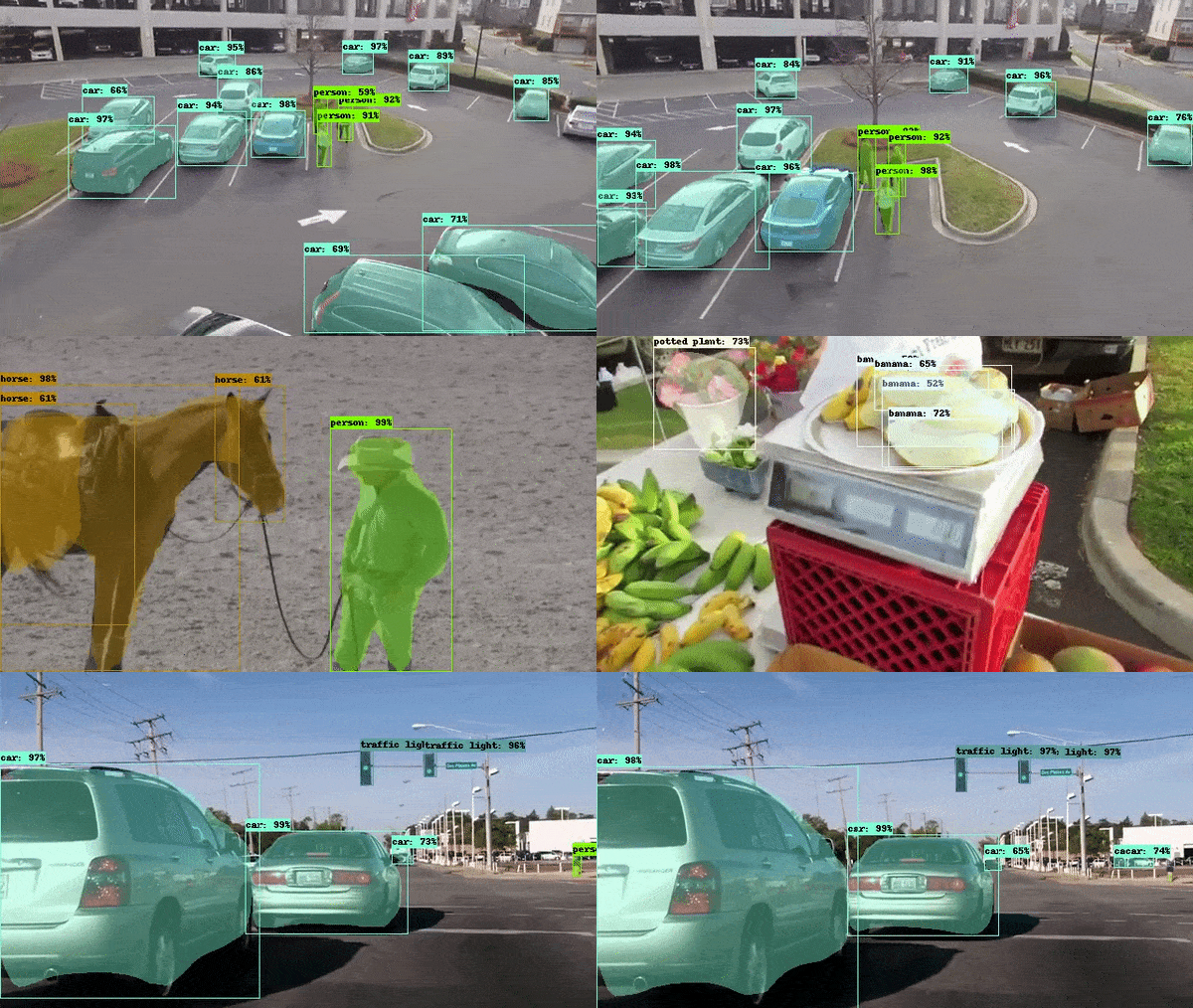
Third Course/
Image Processing
Teach machines to see, understand visual information, detect objects, and make intelligent decisions using Python, Raspberry Pi, OpenCV, and AI.
Core Projects:
- Color Detection System: Detect and classify objects according to their colors.
- Shape Recognition System: Identify basic shapes from camera images.
- Object Tracking System: Detect and continuously track a moving object.
- Smart Camera: Process a live camera stream and react to predefined visual events.
- AI Object Detection System: Use an AI model to identify multiple real-world objects.
- Vision-Based Robot: Connect Computer Vision to a mobile robot so its behavior changes according to what the camera detects.
What Will Students Learn?
By completing ExpoTec Level 3, students develop advanced skills that connect software development, computer systems, electronics, robotics, Computer Vision, and Artificial Intelligence.
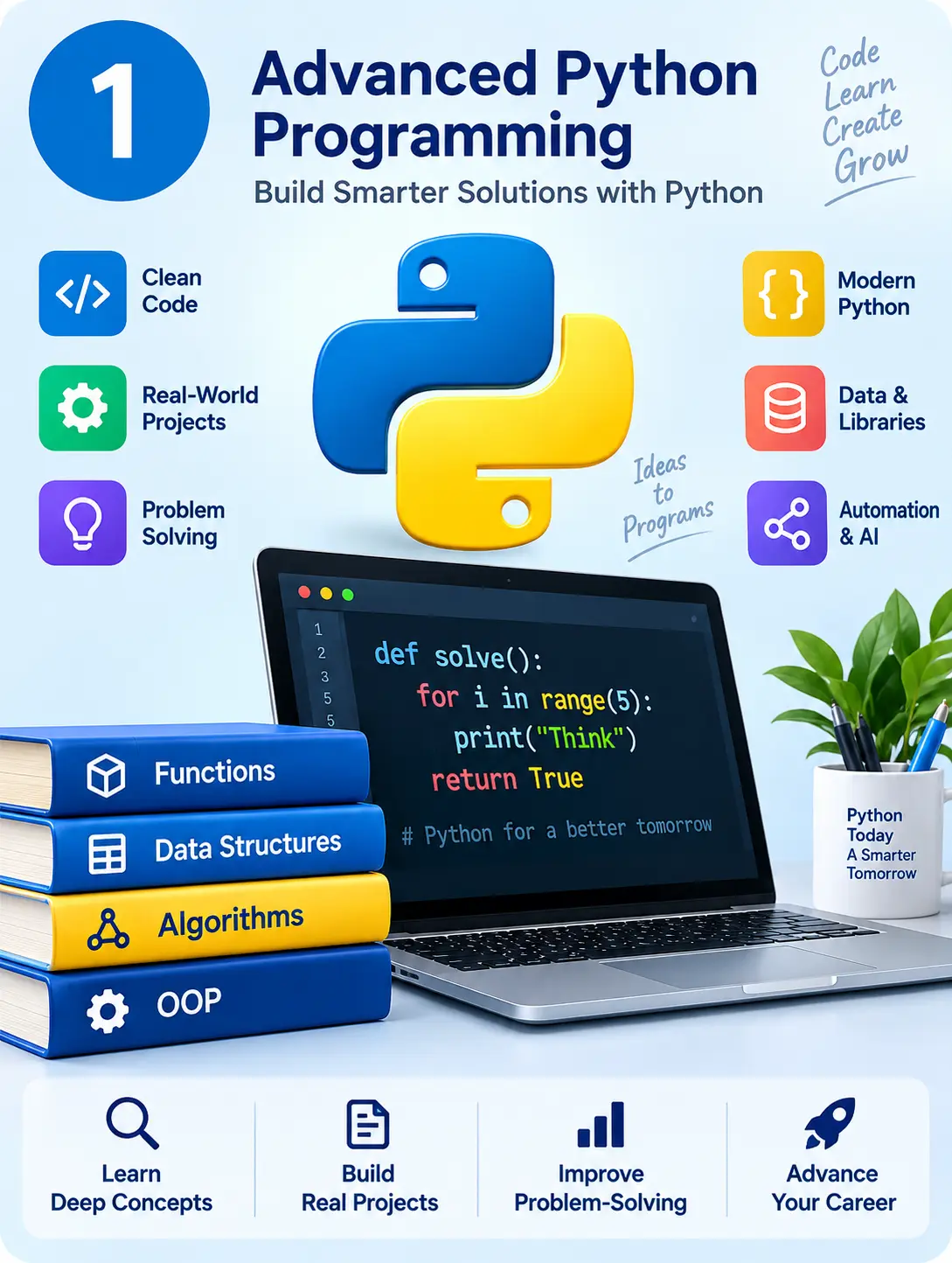
Advanced Python & Software Engineering
Students move beyond basic programming and learn how to develop larger, structured Python applications. They work with functions, data structures, modules, files, Object-Oriented Programming, external libraries, debugging, and algorithmic problem solving.
They begin using Python not simply as a programming language, but as a tool for building engineering software and intelligent applications.
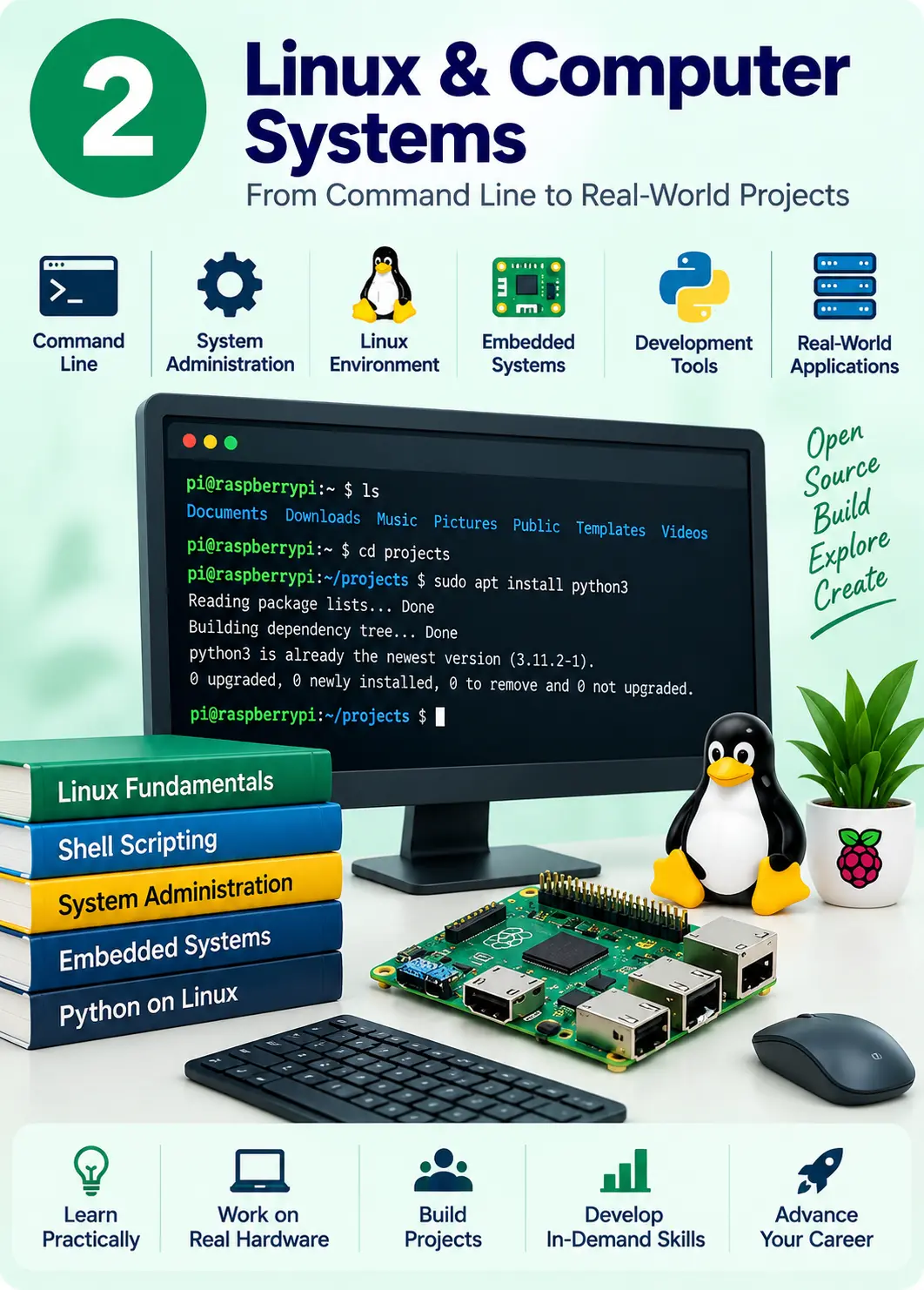
Linux & Computer Systems
Students learn how to work with a real Linux-based operating system, navigate files and directories, use the Terminal, install software and libraries, run Python applications, and manage their development environment.
This gives them an important foundation for working with modern engineering and computing platforms.
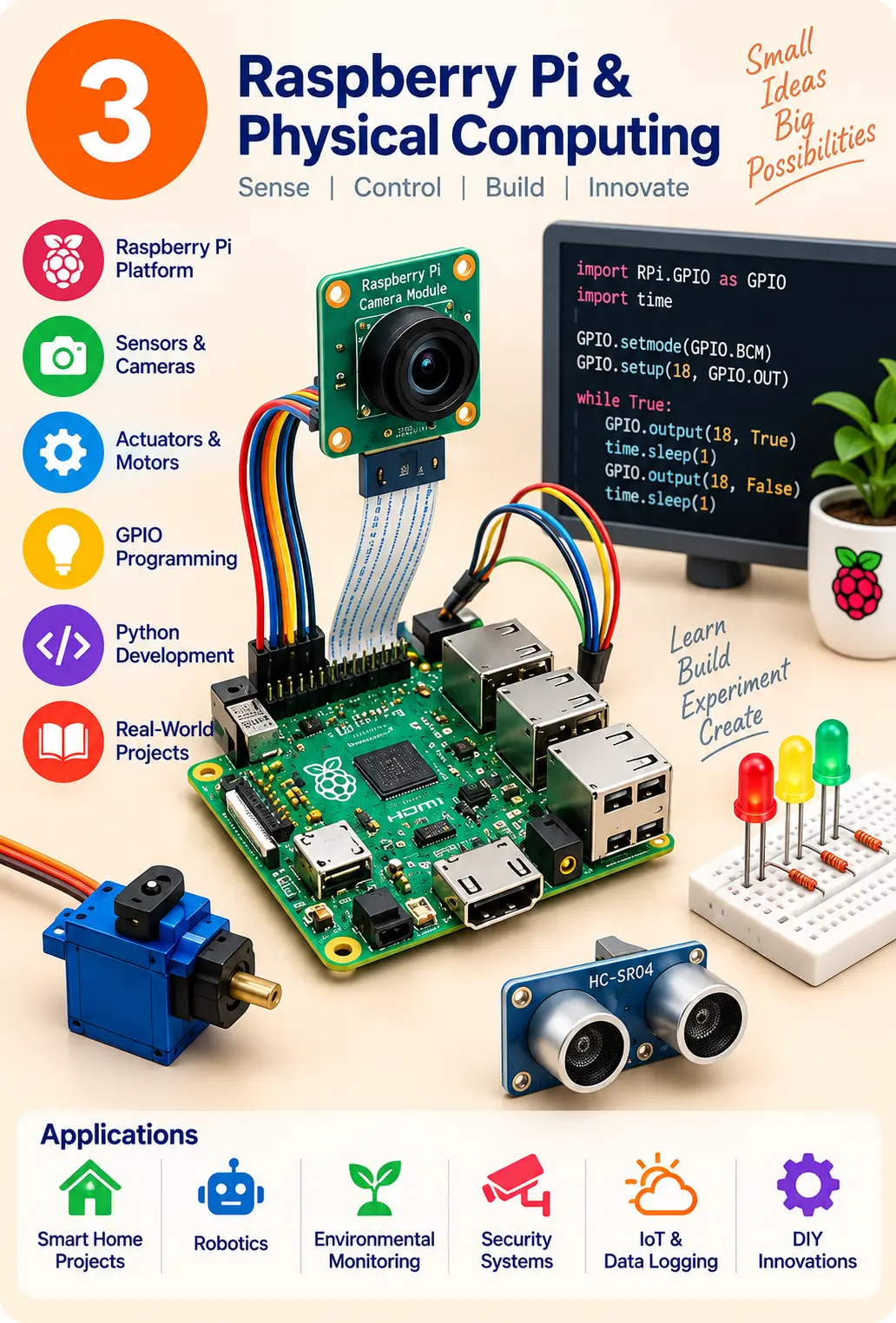
Raspberry Pi & Physical Computing
Students learn how to transform a Raspberry Pi into the computing brain of a physical system.
They use GPIO and electronic interfaces to read sensors, control motors and actuators, communicate with external hardware, process information, and connect software running on Linux directly to the physical world.
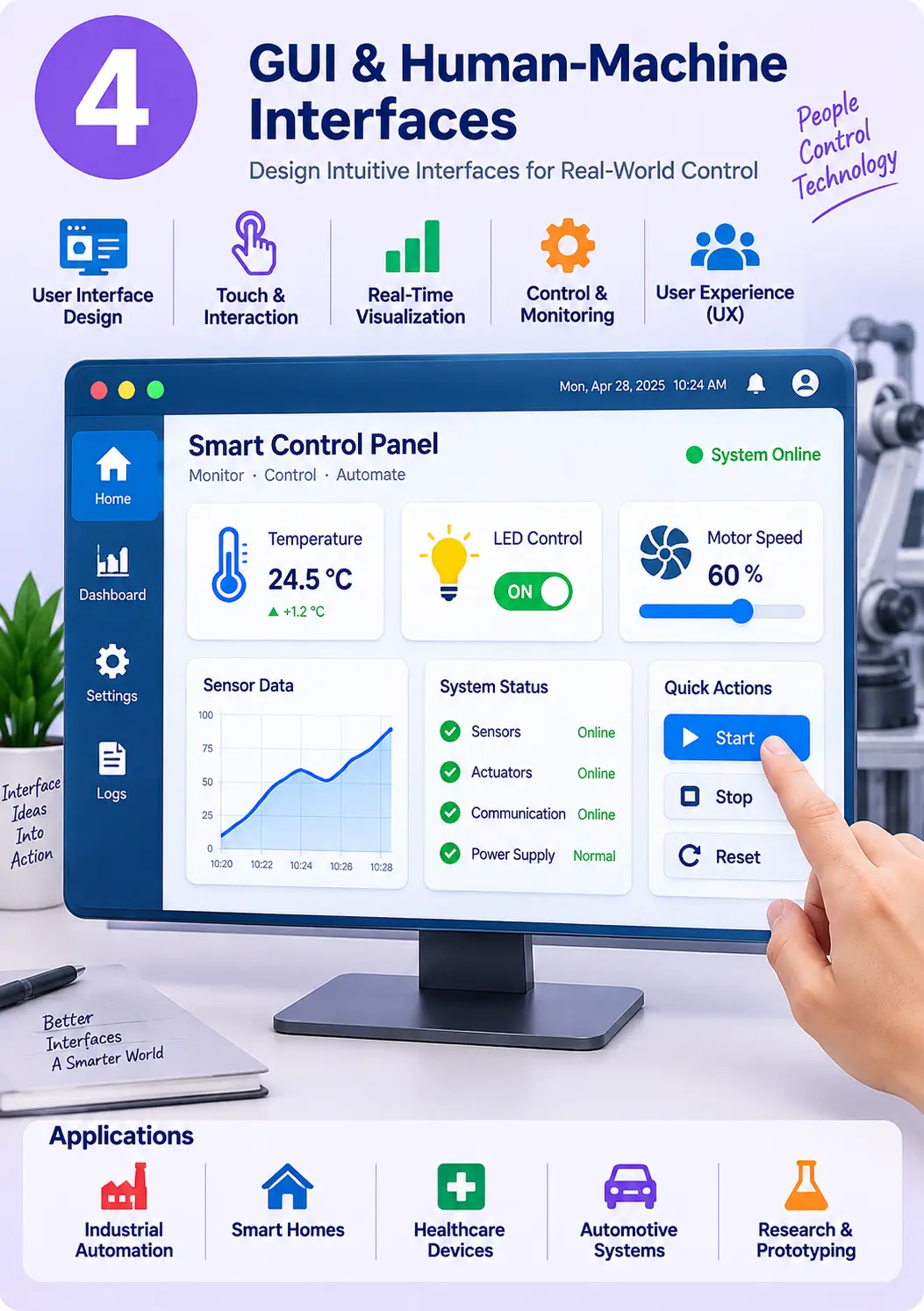
GUI & Human-Machine Interfaces
Students learn that engineering systems also need effective ways for humans to interact with them.
They develop Graphical User Interfaces and control dashboards that allow users to monitor sensor readings, view machine status, send commands, change settings, and control physical hardware through software.
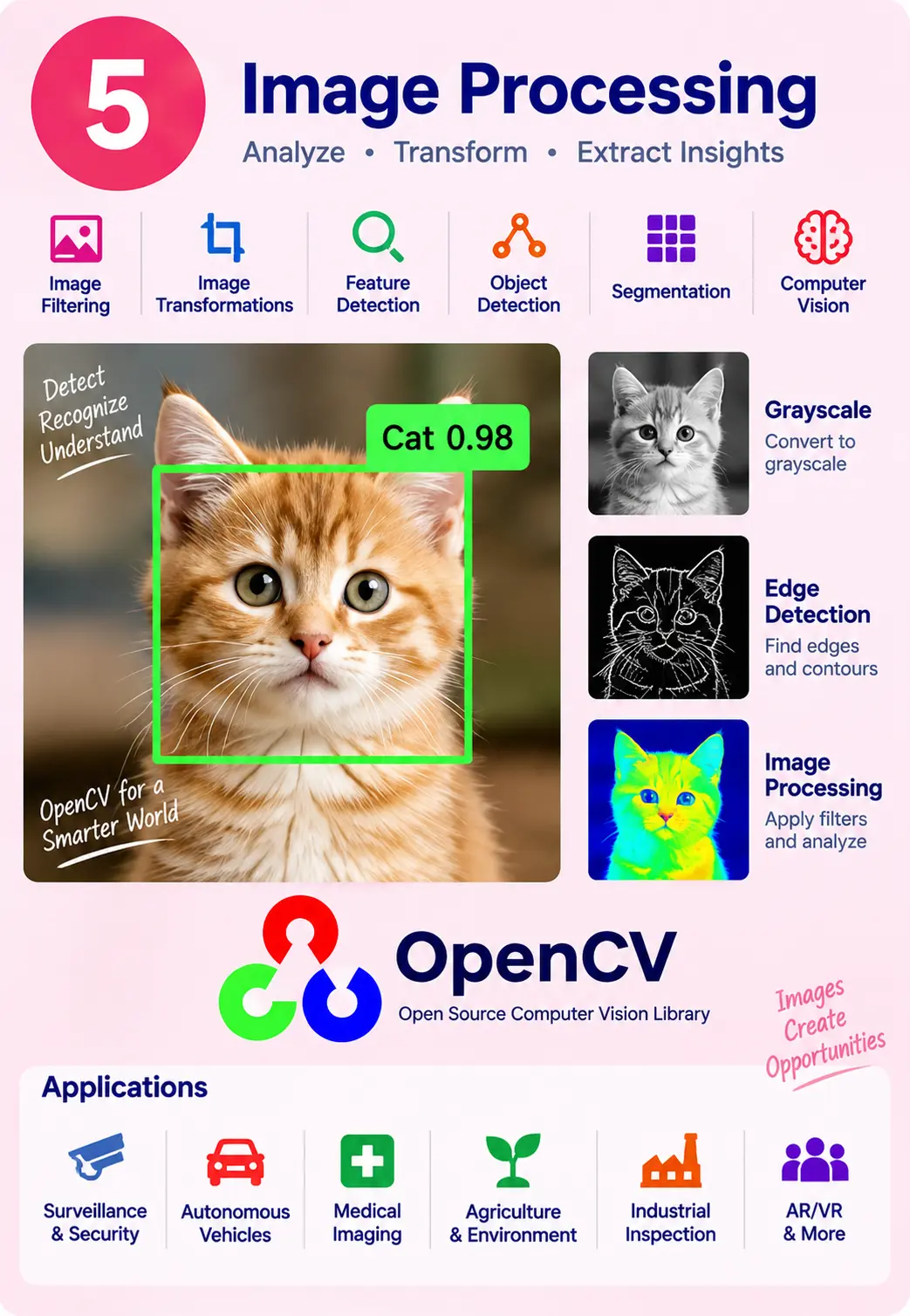
Image Processing
Students discover how computers represent and manipulate visual information.
Using Python and OpenCV, they learn concepts such as Pixels, Resolution, Color Channels, Grayscale, Filtering, Thresholding, Contours, and Image Transformations, building the foundation required for more advanced Computer Vision applications.
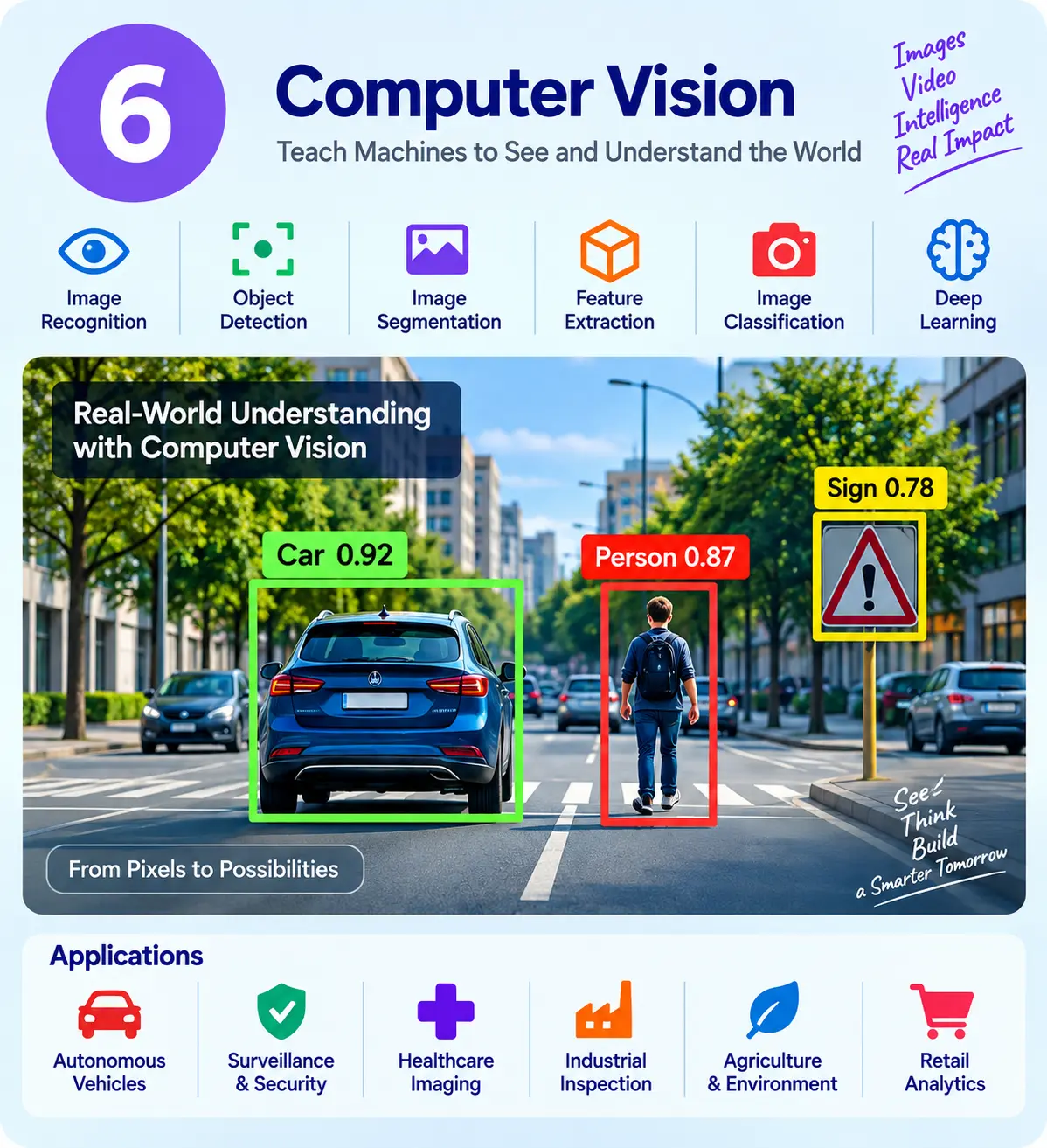
Computer Vision
Students progress from simply processing images to extracting useful information from them.
They develop systems capable of working with real-time camera streams, detecting colors and shapes, identifying visual features, and tracking objects, allowing cameras to become intelligent sensors within their engineering projects.
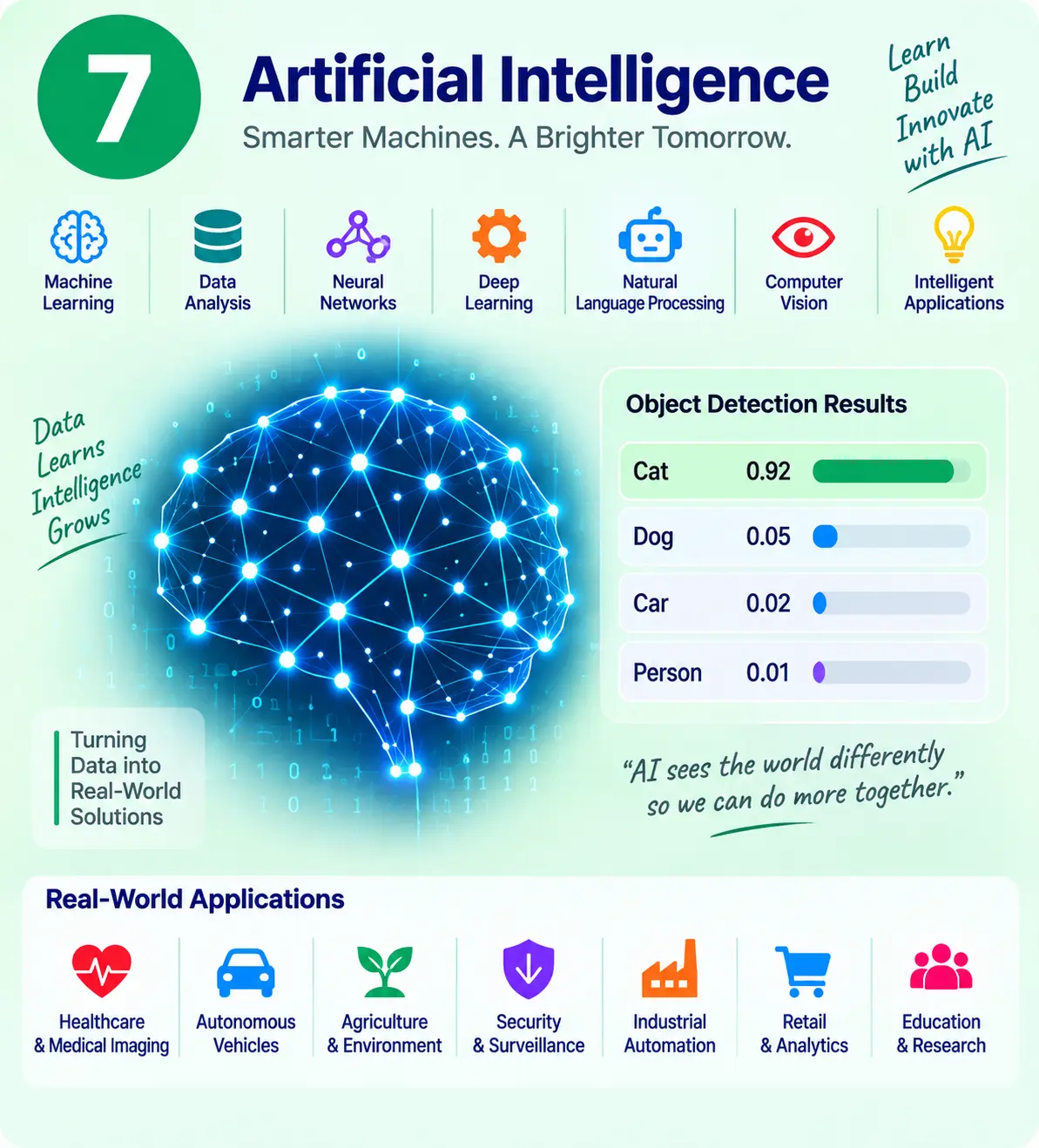
Artificial Intelligence
Students are introduced to how AI and Machine Learning models can be used to understand more complex visual information.
They learn the basic concepts behind Machine Learning and Neural Networks and work with Pre-Trained AI Models to perform tasks such as Object Detection and visual recognition without having to build complex AI models from scratch.
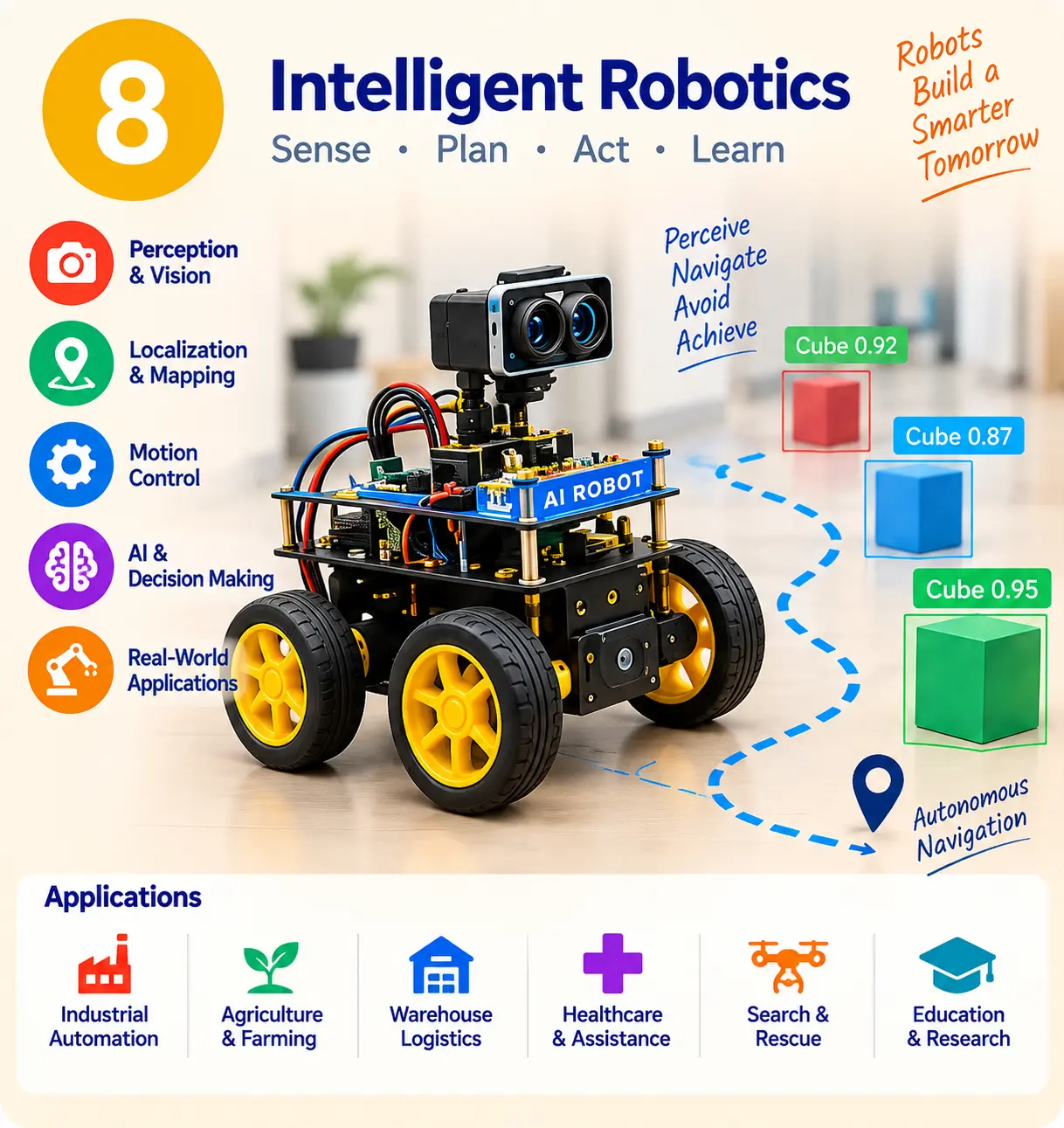
Intelligent Robotics
Students connect their Computer Vision and AI knowledge back to robotics.
Instead of a robot responding only to simple sensor values, students begin developing robots that can use camera information and visual detection results to influence movement and behavior.
This introduces them to the foundations of modern intelligent and vision-based robotics.
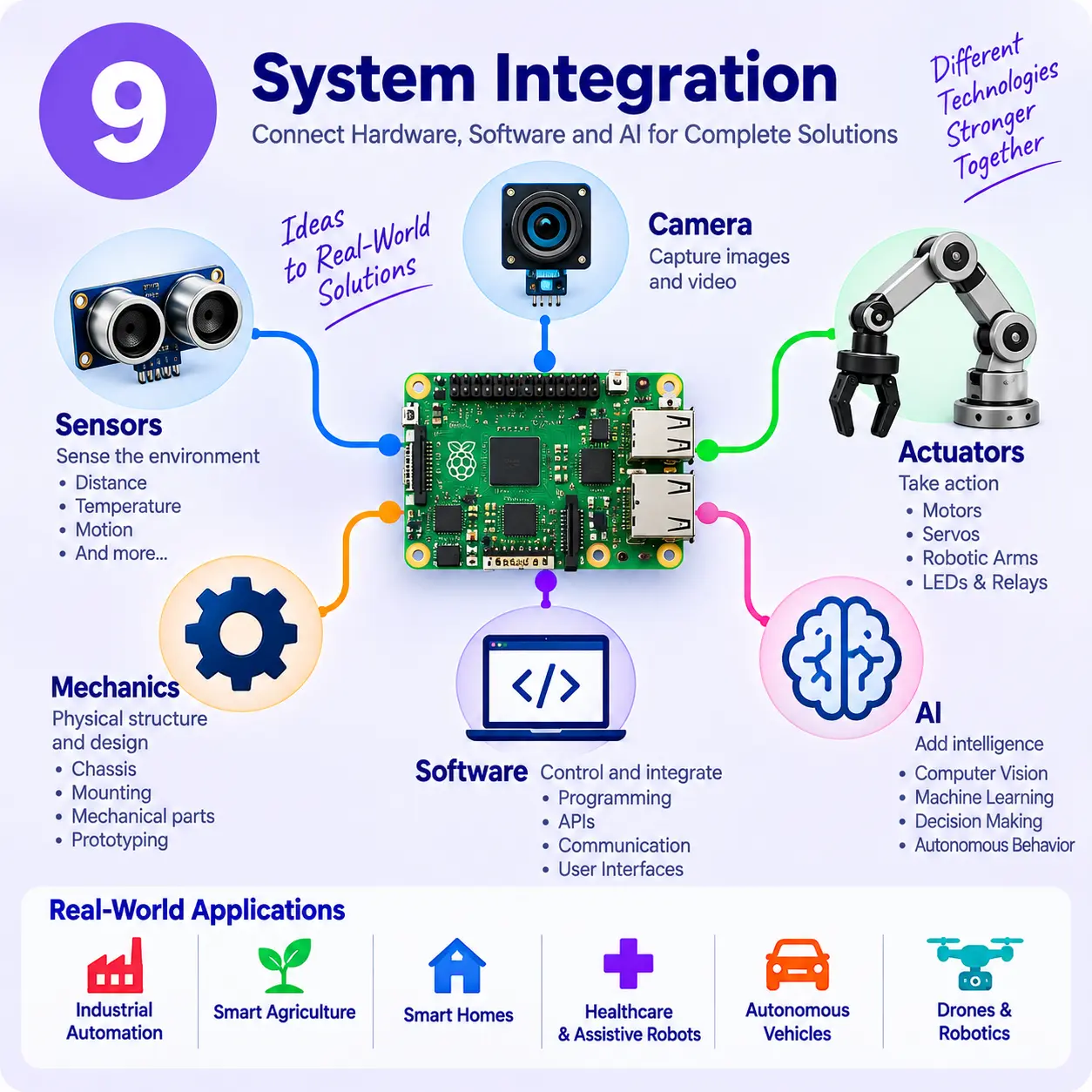
Intelligent System Integration
Most importantly, students learn how to combine knowledge accumulated throughout the entire ExpoTec journey.
They integrate:
Mechanics + Electronics + Embedded Systems + Control + Linux + Python + Raspberry Pi + Cameras + Computer Vision + AI
into complete intelligent engineering systems.
Students begin understanding that advanced technology is rarely created from a single discipline. Modern robots and intelligent machines are built by integrating multiple engineering and computing technologies into one coordinated system.
What Level Will the Student Reach?
By the end of ExpoTec Level 3, students complete a major progression across the ExpoTec journey.
They reach the foundation of an:
Intelligent Systems Developer
At this stage, students are no longer limited to programming a machine with predefined behavior.
They understand the foundations required to build systems that can:
- Sense the Physical World
- Capture Visual Information
- Process Data
- Recognize Objects and Patterns
- Make Software Decisions
- Control Physical Hardware
- Perform Intelligent Actions
They begin understanding how the foundations of modern intelligent robots and machines are created.
The Complete ExpoTec Journey
Level 1 — Engineering System Builder
Build Technology
Students learn to combine programming, electronics, mechanics, and robotics to build complete technological systems.
↓
Level 2 — Mechatronics System Developer
Engineer & Control Machines
Students learn communication, navigation, feedback control, precision motion, robotic manipulation, and machine development.
↓
Level 3 — Intelligent Systems Developer
Build Intelligent Machines
Students combine advanced software, Linux computing, Raspberry Pi, Computer Vision, and AI with their previous engineering knowledge.
Final Student Transformation
The complete ExpoTec journey takes the student through three major questions.
Level 1
“How can I build a technological system?”
Level 2
“How can I engineer and precisely control a machine?”
Level 3
“How can I make that machine see, understand information, and make intelligent decisions?”
By the end of ExpoTec Level 3, students have developed foundations across Programming, Electronics, Embedded Systems, Mechanical Design, Robotics, Control, Mechatronics, Linux, Computer Vision, and Artificial Intelligence.
They don't study these areas as isolated subjects.
They learn how to integrate them to build increasingly advanced technology.
From writing their first embedded programs to developing AI-powered machines, ExpoTec guides students through the engineering journey of building, controlling, and ultimately adding intelligence to technology.