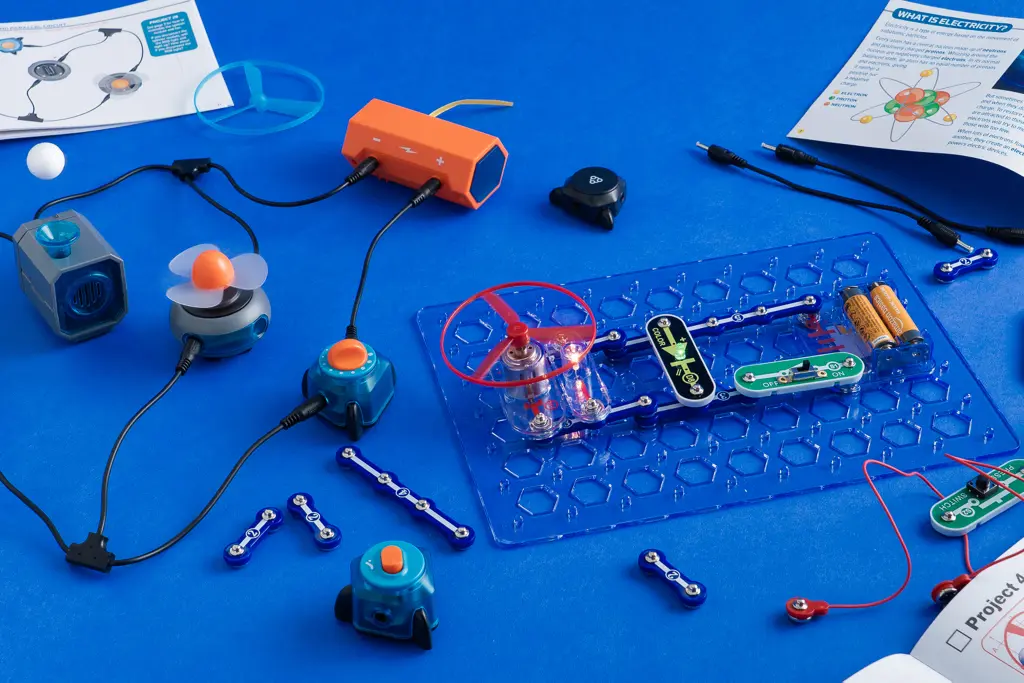
Junior Electronic Projects
Description:
Students move from learning individual electronic components to using them as building blocks for complete real-world systems.
Each project represents a familiar machine or everyday application. Students learn that complex-looking devices can often be understood as combinations of simple inputs, outputs, motors, switches, and control circuits.
Programming and sensors are intentionally avoided at this stage so students develop a strong understanding of the physical system first.
Learning Objectives
By the end of the course, students will be able to:
- Transform a real-world problem into a simple electronic system.
- Select suitable components for a project.
- Combine switches, motors, pumps, LEDs, buzzers, and motor drivers.
- Use potentiometers for variable control.
- Apply logic gates inside practical projects.
- Understand basic Input → Decision → Output system thinking.
- Build projects containing multiple electronic components.
- Understand basic motor and pump control.
- Follow an engineering project from idea to working prototype.
- Diagnose simple project failures.
- Modify an existing project to change its behavior.
- Explain how their project works using simple engineering language.