TopX Pro — Level 1
From Learning Technology to Engineering It.
A one-year engineering journey for students aged 12+ that builds the foundations of Electronics, Mechanical Design, and Engineering Manufacturing.
TopX Pro Level 1 is designed for students who are ready to move beyond simply using technology and start understanding how real technological products are designed, built, and manufactured.
Throughout the year, students develop two essential sides of engineering:
Electronics Engineering — understanding and designing the systems that power, control, protect, and operate electronic devices.
Mechanical Engineering — designing the physical parts, mechanisms, structures, and assemblies that turn engineering ideas into real machines.
By combining both disciplines, students begin developing the engineering foundation needed for their future journey in Robotics, Mechatronics, Electronics, Mechanical Engineering, Automation, Product Development, and Advanced Technology.
Two Engineering Courses. One Complete Foundation.
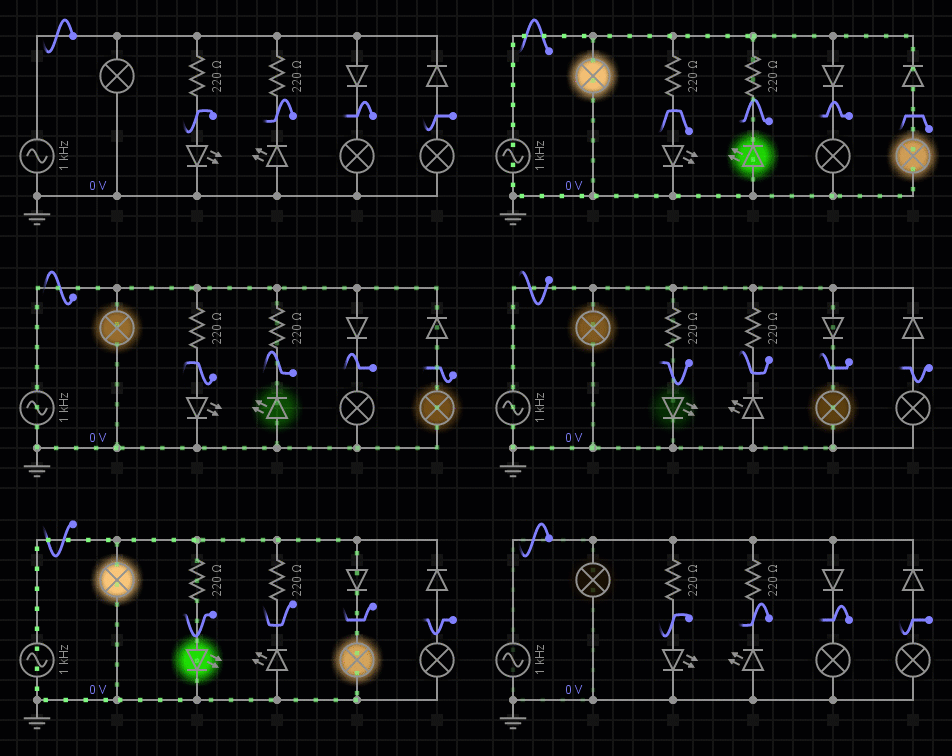
First Course/
Electronics Engineering & PCB Design and Manufacturing
Students build a strong foundation in Electronics Engineering, learning how to analyze, calculate, design, and test real electronic circuits. They explore electronic components, power and protection circuits, transistors, and Op-Amps before progressing to PCB Design and Manufacturing, transforming their own circuit designs into functional electronic boards.
Core Projects
- Adjustable Bench Power Supply: Design and build an adjustable DC power supply with regulation and protection.
- DC Motor Speed Controller: Build a MOSFET-based circuit to control DC motor speed.
- Battery Charging & Protection System: Design a safe battery charging and protection circuit.
- Automatic Cooling System: Build an analog temperature-controlled cooling system using Op-Amps and MOSFETs.
- Analog Sensor & Alarm System: Design a signal-conditioning and automatic alarm circuit.
- Custom Double-Layer PCB: Design, manufacture, solder, and test a complete custom electronic PCB.
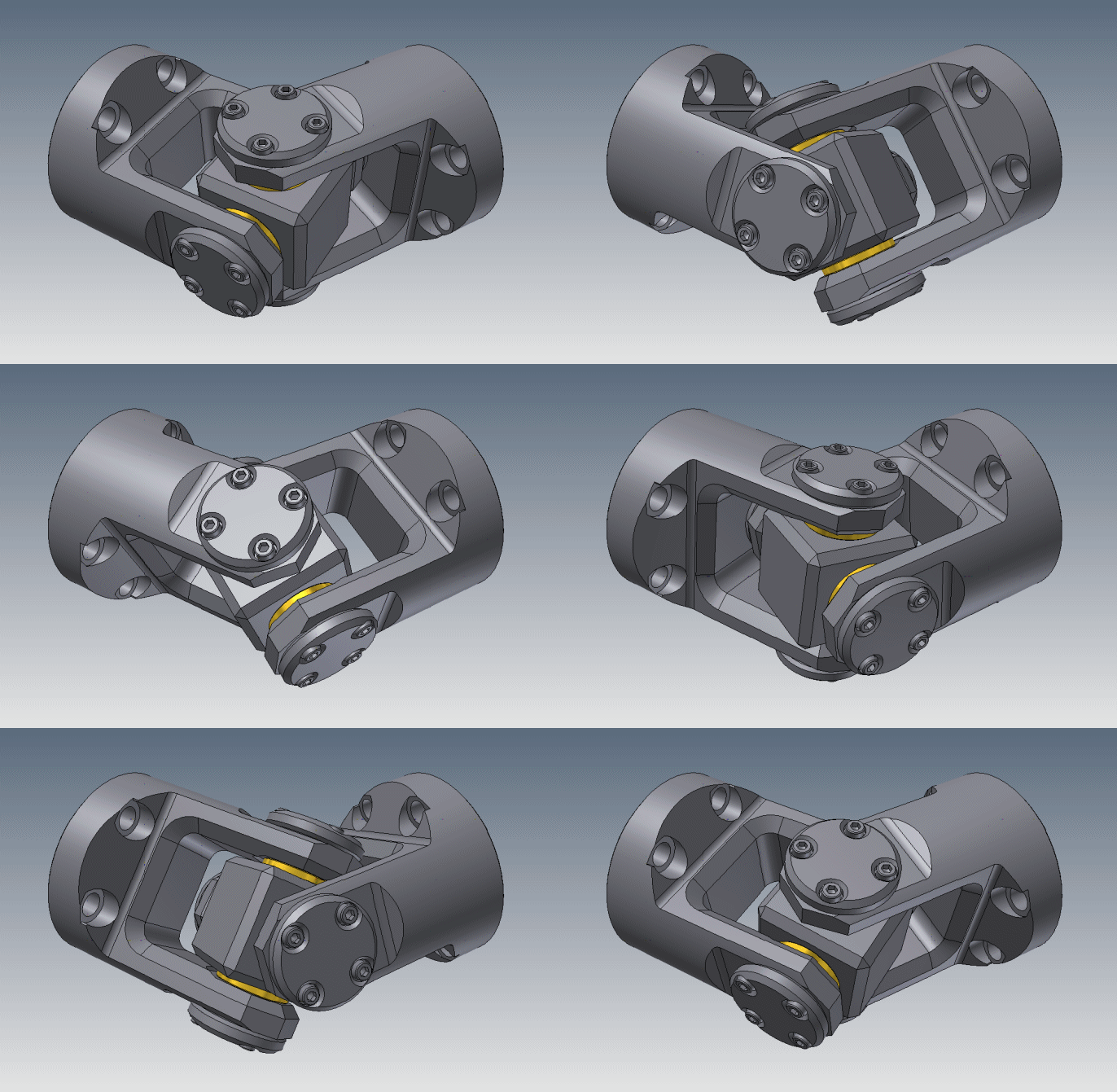
Second Course/
Mechanical Design & Manufacturing using SolidWorks
Students learn to design real mechanical parts and complete machines using SolidWorks, progressing from engineering sketches and parametric 3D modeling to machine components, mechanisms, assemblies, and manufacturing-ready designs.
Core Projects
- Gearbox Assembly: Design gears, shafts, bearings, and housing as a functional gearbox.
- Belt Drive System: Design a motor-driven pulley and belt transmission system.
- Mechanical Gripper: Design a functional mechanism that converts motion into gripping action.
- Electronics Enclosure: Design a manufacturing-ready enclosure with PCB mounts, connectors, and fasteners.
- Mini Conveyor System: Design the frame, rollers, shafts, bearings, motor mount, and transmission system.
- Complete Machine — Final Project: Design a complete machine from requirements through parts, subassemblies, final assembly, drawings, and manufacturing files.
More Than Learning Software and Components
TopX Pro is not designed around memorizing SolidWorks commands or connecting electronic components according to instructions.
Students are continuously challenged to understand:
- What should I design?
- Why should I design it this way?
- Which component or mechanism should I use?
- What calculations do I need?
- Will my design actually work?
- Can it be manufactured?
This develops something far more valuable than knowledge of a particular tool:
Engineering Thinking.
Students begin learning how to analyze problems, divide complex systems into smaller parts, evaluate different solutions, make engineering decisions, test their designs, identify problems, and improve their work.
The Foundation for Their Future in Technology
The technologies students may work with in the future will continue to change.
Software will change.
Design tools will change.
Electronic components will evolve.
Manufacturing technologies will improve.
But the fundamental engineering principles behind electricity, circuits, mechanics, motion, design, measurement, manufacturing, and problem-solving will remain essential.
That is why TopX Pro Level 1 focuses on building the student's Engineering Foundation, not simply teaching today's tools.
This foundation prepares students to progress later into areas such as:
Robotics • Mechatronics • Embedded Systems • Electronics • Mechanical Engineering • Automation • Control Systems • Product Design • Manufacturing • Intelligent Machines
From Small Parts to Real-World Machines
This is where the value of TopX Pro Level 1 becomes especially important.
A Drone, ROV, Autonomous Boat, Mobile Robot, Robotic Arm, or Industrial Machine may look completely different from the projects students build during training.
But underneath, these systems are built from many of the same engineering foundations.
They contain:
- Power Systems
- Electronic PCBs
- Protection Circuits
- Motors & Actuators
- Mechanical Structures
- Shafts & Bearings
- Power Transmission
- Mounting Systems
- Enclosures
- Manufactured Parts
- Assemblies & Subassemblies
These are exactly the engineering building blocks students begin mastering throughout TopX Pro.
Ready for Bigger Engineering Challenges
After completing Level 1, students have the foundation required to begin contributing to much larger engineering projects.
They can understand a complex machine as a collection of smaller Engineering Subsystems, then participate in designing, manufacturing, assembling, or testing those subsystems.
This opens the door to projects such as:
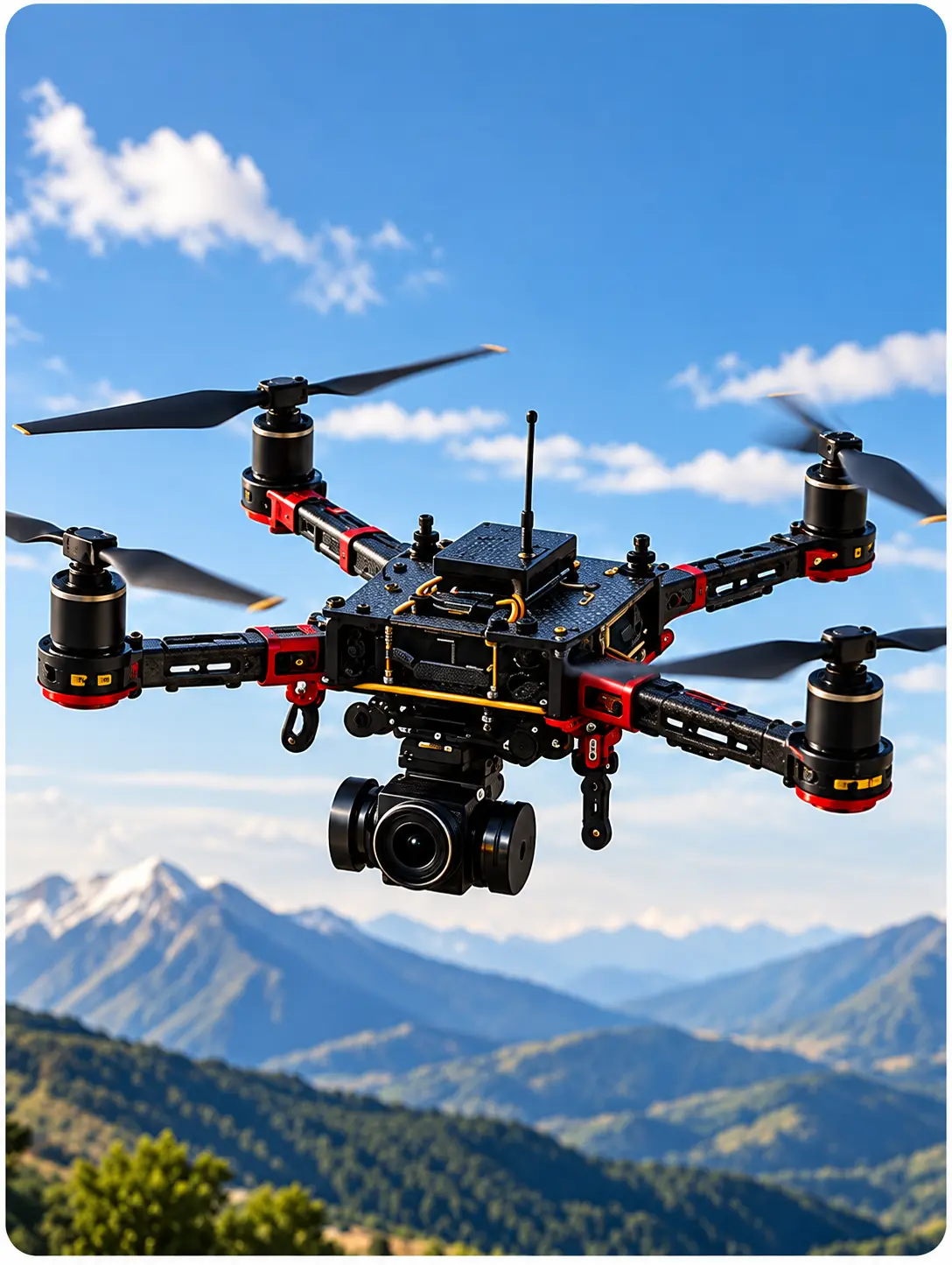
Multirotor Drone
Students can contribute to the design of the frame, motor mounts, electronics mounting, power distribution, protection, enclosures, and manufactured mechanical parts that form the physical platform of a drone.
Key Subsystems
- Frame & Structural Design
- Motor Mounts & Mechanical Parts
- Power Distribution & Protection Circuits
- Electronics Enclosure
- Manufactured Parts — 3D Printing / CNC
What Students Can Do
Design the frame, motor mounts, enclosures, PCBs for power distribution, and assemble them into a functional platform.
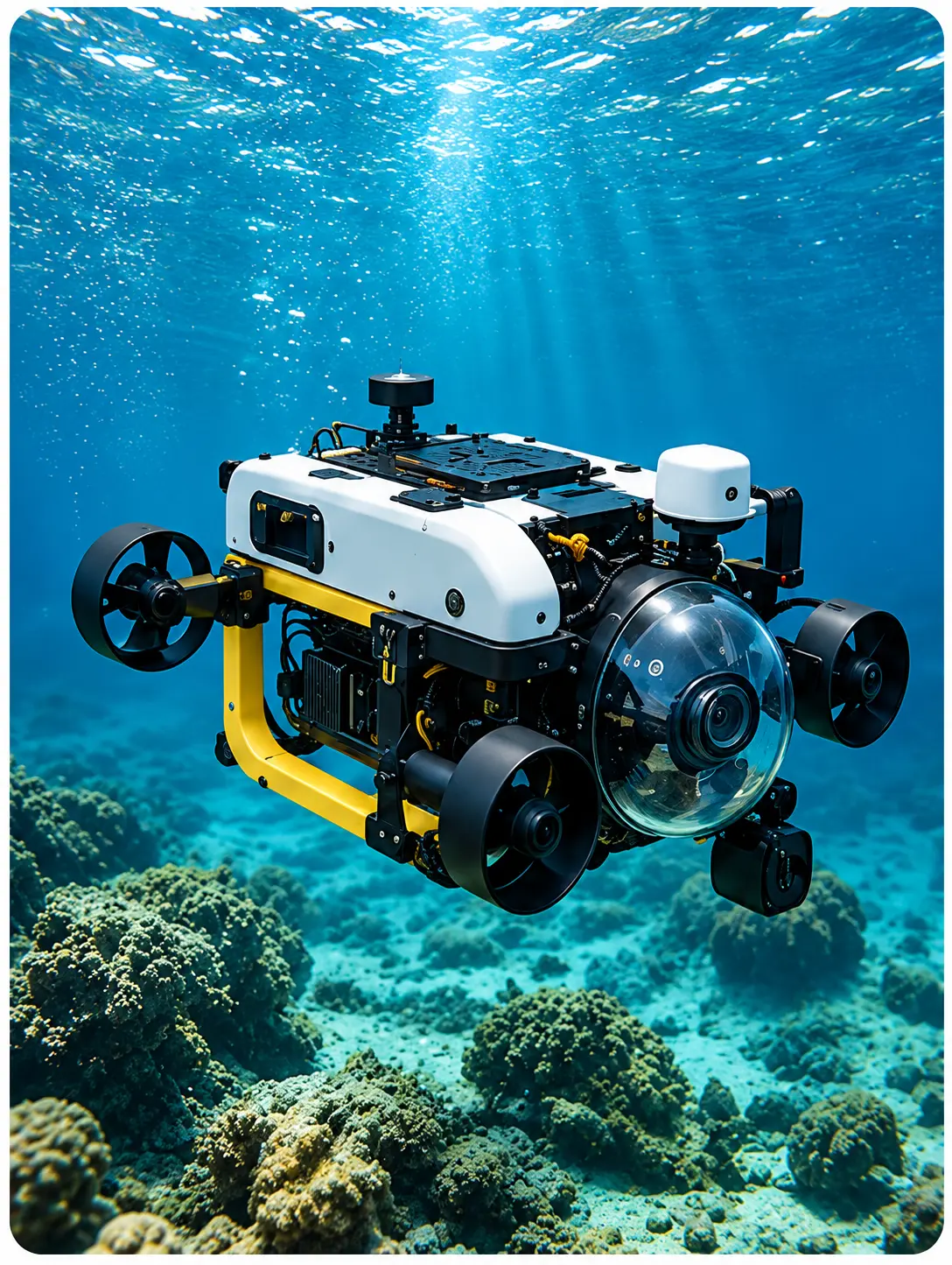
ROV — Remotely Operated Underwater Vehicle
Students can work on the mechanical frame, thruster mounting, electronics enclosure, power system, wiring architecture, PCB subsystems, and assembly of an underwater robotic platform.
Key Subsystems
- Mechanical Frame & Structure
- Thruster Mounts & Housings
- Waterproof Electronics Enclosure
- Power System & Protection Circuits
- Wiring Architecture & Connectors
What Students Can Do
Design the frame, thruster mounts, waterproof enclosure, and electronic subsystems.
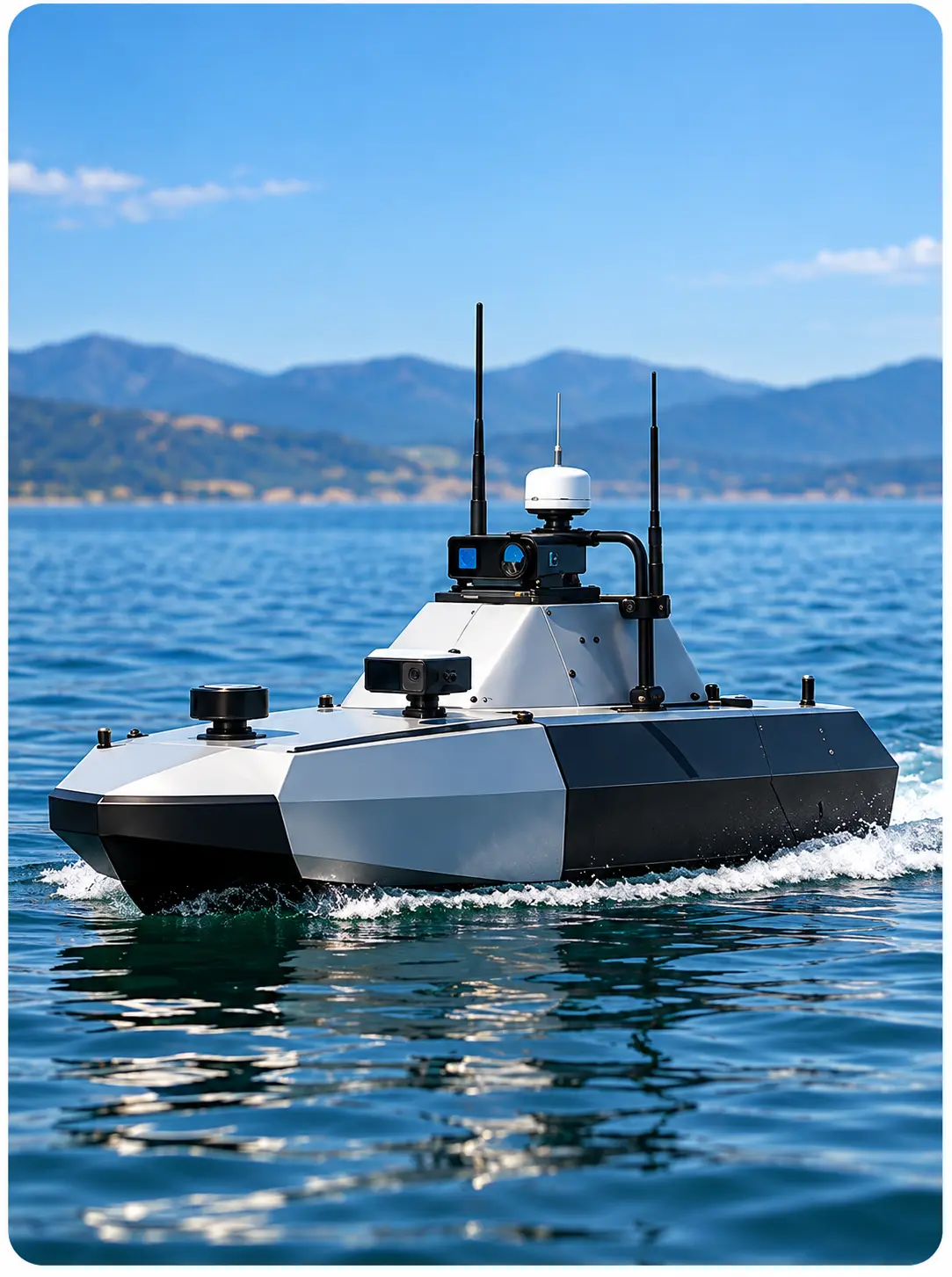
Autonomous Surface Boat
Students can contribute to a small unmanned boat through electronics boards, power distribution, motor systems, mechanical mounts, waterproof electronics enclosures, and internal assemblies.
Key Subsystems
- Hull & Structural Design
- Motor & Propulsion System
- Power Management & Protection
- Water-Resistant Electronics Enclosure
- Mechanical Mounts & Assemblies
What Students Can Do
Design the hull structure, motor mounts, internal assemblies, and electronic boards for power and control.
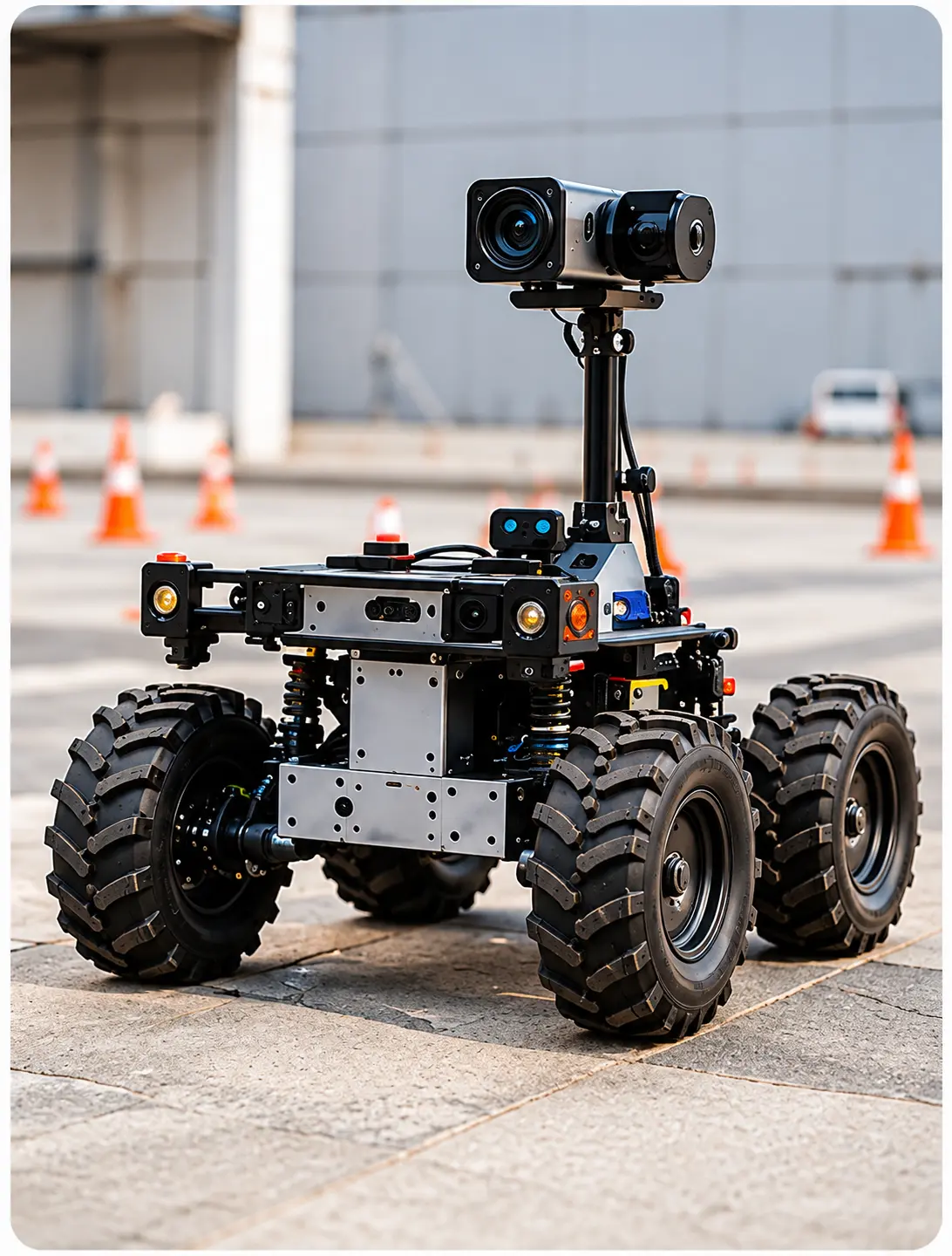
Mobile Robot
Students can design the chassis, motor mounts, wheels, shafts, bearings, electronics boards, power circuits, protection systems, and complete mechanical assembly.
Key Subsystems
- Chassis & Mechanical Structure
- Motor Mounts, Wheels & Transmission
- Power System & Protection Circuits
- Sensor Mounting & Enclosures
- Custom PCBs for Power & Interface
What Students Can Do
Design the chassis, mechanical mounts, electronic boards, and complete mechanical assembly of a mobile robot.
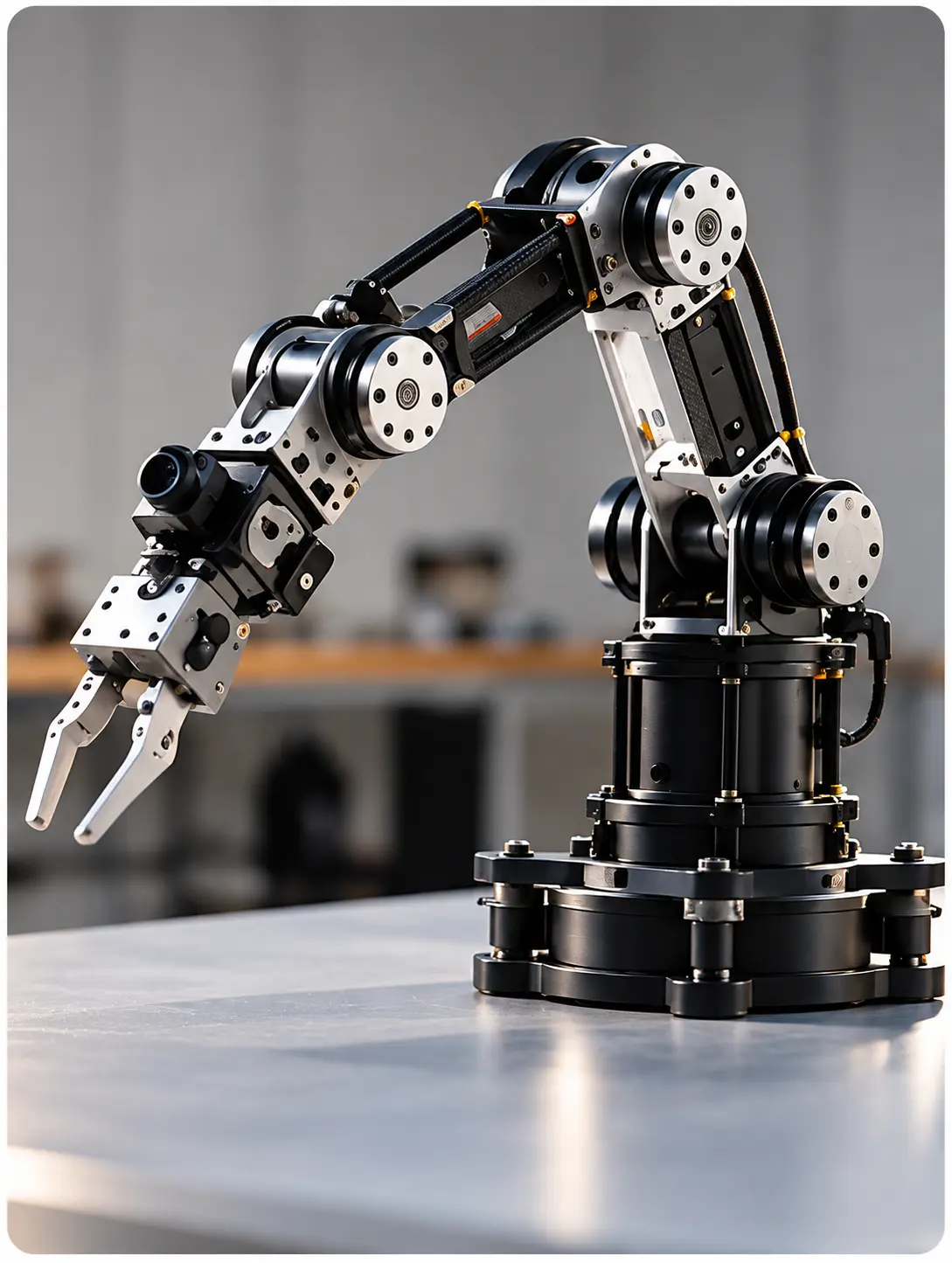
Robotic Arm
Students can contribute to the design of links, joints, shafts, bearings, motor mounts, grippers, electronics, driver circuits, and mechanical assemblies.
Key Subsystems
- Links, Joints & Mechanical Structure
- Motor Mounts & Gear Mechanisms
- Gripper Design & Actuation
- Driver Circuits & Power Management
- Complete Mechanical & Electronic Assembly
What Students Can Do
Design the mechanical structure, joints, gripper, and electronic control boards.
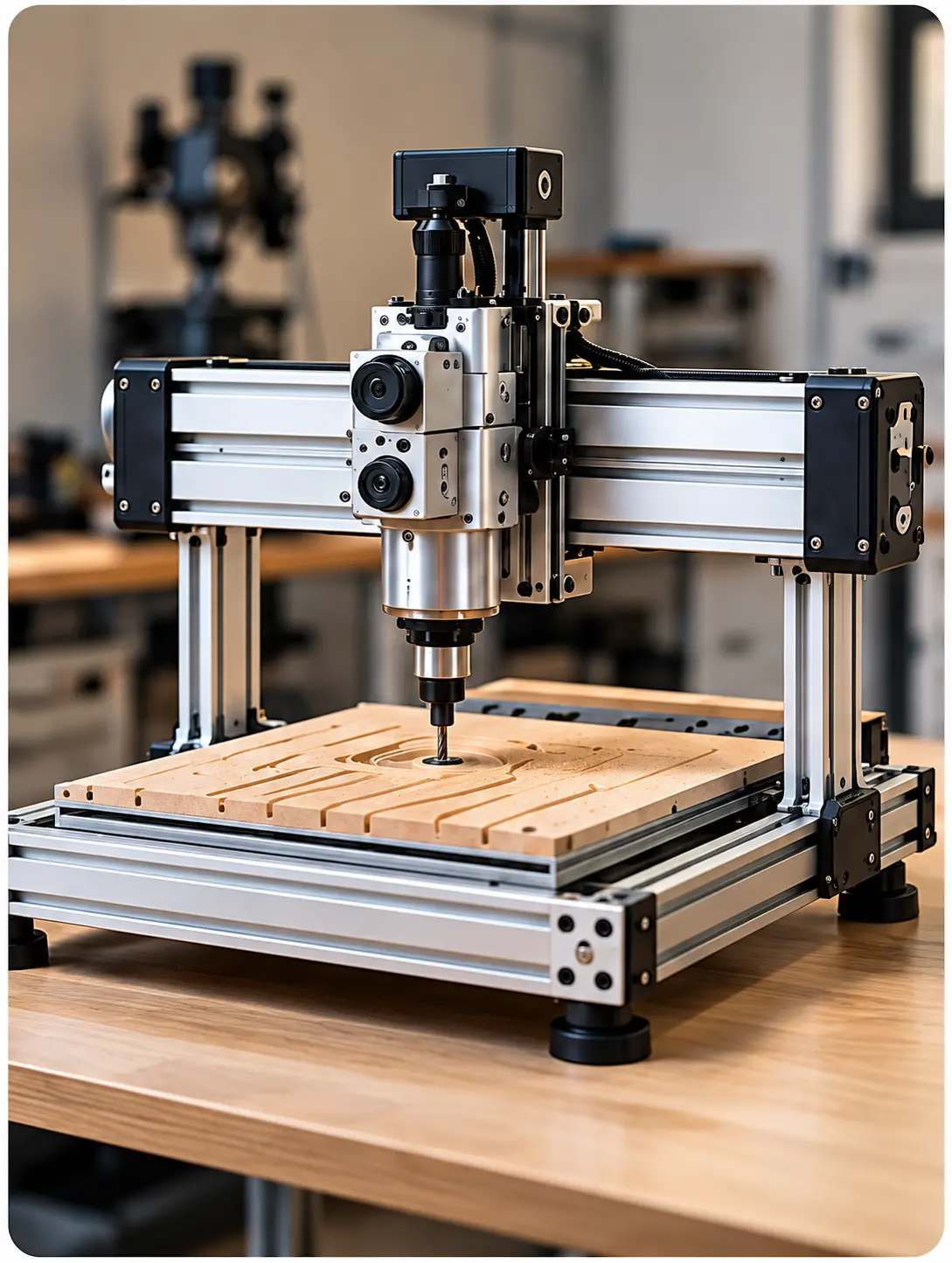
CNC or Automated Machine
Students can understand and contribute to systems involving frames, linear motion, motors, couplings, shafts, bearings, power electronics, control electronics, and machine assemblies.
Key Subsystems
- Frame & Structural Design
- Linear Motion Systems — Rails, Screws & Belts
- Motors, Couplings & Mounts
- Control Electronics & Power Circuits
- Complete Mechanical Assembly
What Students Can Do
Design the structure, motion system, motor mounts, and electronic subsystems.
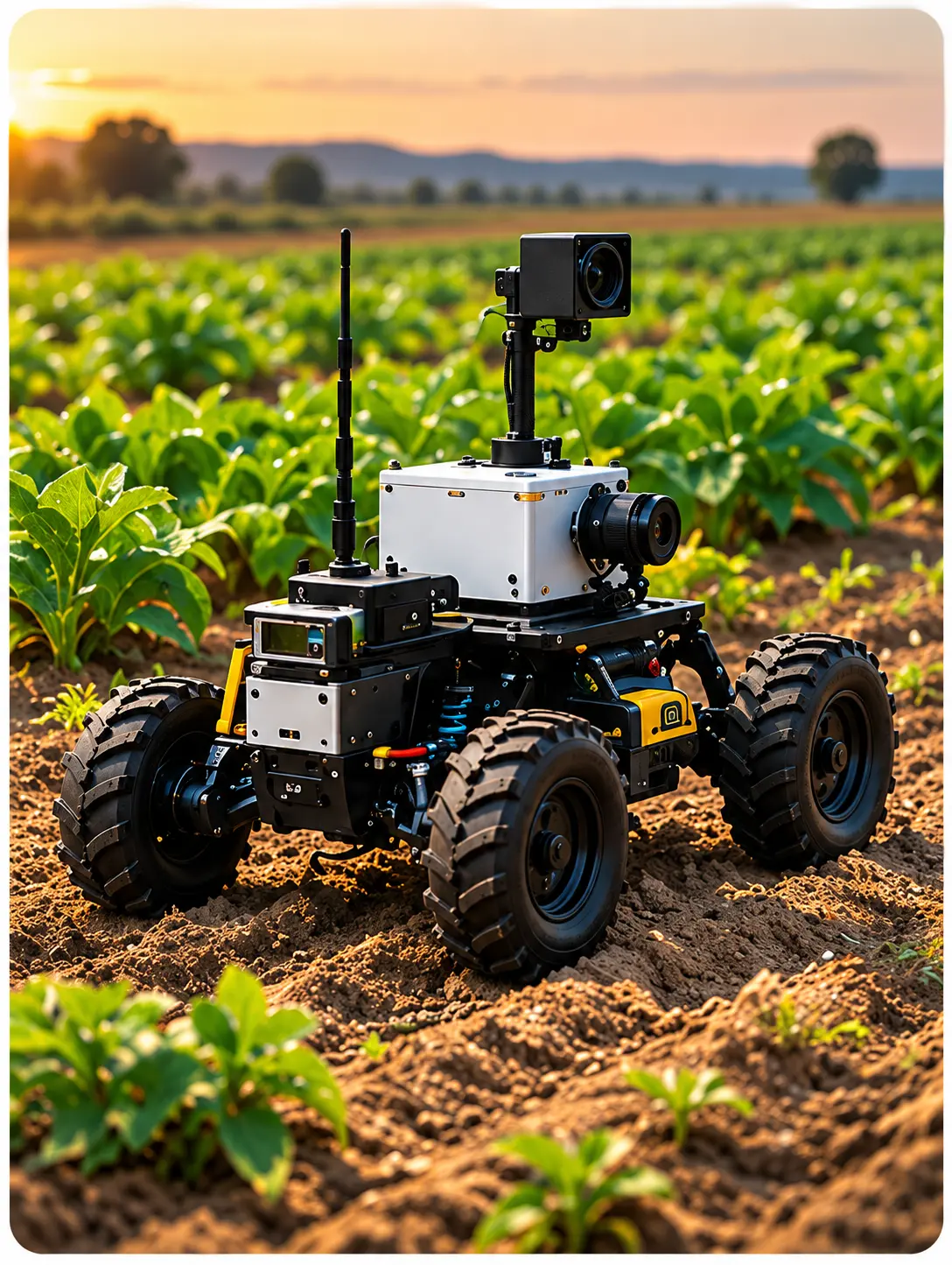
Smart Agricultural Machine
Students can combine mechanical structures, motors, pumps, power circuits, electronics, and manufactured parts into systems designed for real agricultural tasks.
Key Subsystems
- Mechanical Structure & Chassis
- Motors & Transmission System
- Sensors & Mounting
- Power System & Protection
- Manufactured & Assembled Parts
What Students Can Do
Design the mechanical platform, mounts, and electronic boards for real agricultural applications.
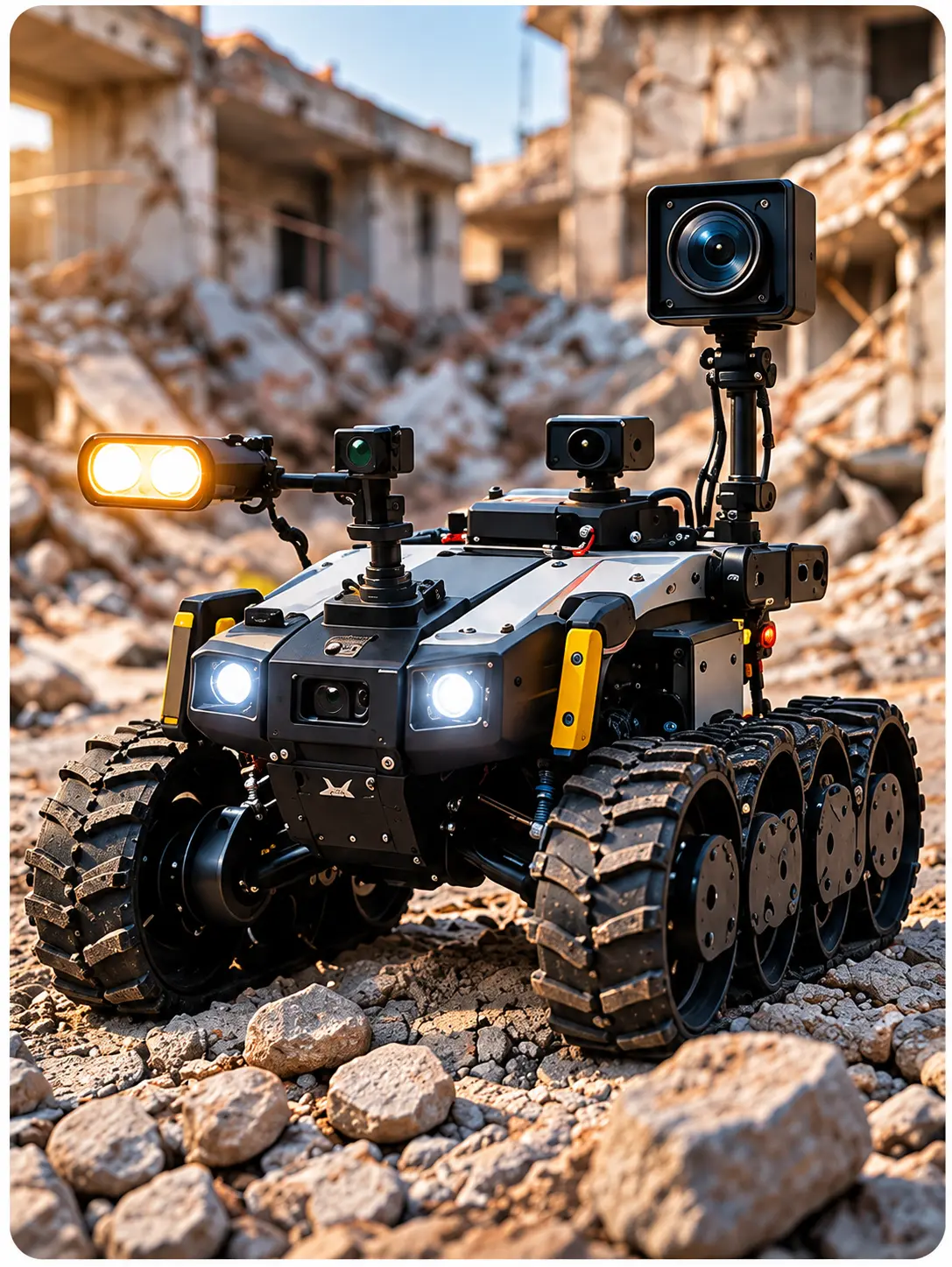
Search & Rescue Robot
Students can participate in building rugged robotic platforms combining mechanical structures, drive systems, custom electronics, power management, and specialized mechanisms.
Key Subsystems
- Rugged Mechanical Structure
- Drive System — Tracks or Wheels
- Sensors & Camera Mounts
- Power Management & Protection
- Modular Design for Different Missions
What Students Can Do
Design the mechanical structure, drive system, electronics enclosure, and custom PCBs.
Understanding How Complex Machines Are Really Built
One of the most important lessons students learn is that engineers rarely build complex technological products alone.
A sophisticated engineering project is divided into teams and subsystems.
For example, an ROV project may include:
- Mechanical Team: Frame • Enclosure • Thruster Mounts • Mechanical Assembly
- Electronics Team: Power Distribution • Protection • PCB Design • Motor Drivers
- Embedded Systems Team: Controllers • Sensors • Communication
- Control & Software Team: Navigation • Control Algorithms • User Interface
TopX Pro Level 1 gives students the Electronics and Mechanical foundation required to understand and begin contributing to the first layers of projects like these.
As they progress through future TopX Pro levels, additional skills in Embedded Systems, Control, Communication, Sensors, Robotics, and Software can be added to this foundation.
What Changes After TopX Pro Level 1?
By the end of the year, students begin looking at technology differently.
When they see an electronic device, they can start recognizing its Power, Protection, Regulation, Signal, and Driver circuits.
When they see a machine, they can begin identifying its Structure, Shafts, Bearings, Transmission, Mechanisms, Motors, and Mechanical Connections.
And when they see something ambitious — a Drone, Robot, ROV, Boat, Automated Machine, or another technological product — it is no longer simply a complicated object.
They can begin breaking it down:
- What are its systems?
- What are its mechanical parts?
- What electronics does it need?
- How are those parts connected?
- Which parts can we design?
- Which parts can we manufacture?
- How can a team build the complete system?
That change in thinking is one of the most important outcomes of TopX Pro.
From Components to Complete Engineering Systems
During Level 1, students progress through increasingly complete engineering projects.
Electronics Projects
- Adjustable Bench Power Supply: Design and build an adjustable DC power supply with regulation and protection.
- DC Motor Speed Controller: Build a MOSFET-based circuit to control DC motor speed.
- Battery Charging & Protection System: Design a safe battery charging and protection circuit.
- Automatic Cooling System: Build an analog temperature-controlled cooling system.
- Analog Sensor & Alarm System: Design a signal-conditioning and automatic alarm circuit.
- Custom Double-Layer PCB: Design, manufacture, solder, and test a complete custom electronic PCB.
Mechanical Projects
- Gearbox Assembly: Design gears, shafts, bearings, and housing as a functional system.
- Belt Drive System: Design a motor-driven pulley and belt transmission system.
- Mechanical Gripper: Design a functional mechanical gripping mechanism.
- Electronics Enclosure: Design a manufacturing-ready enclosure for an electronic system.
- Mini Conveyor System: Design the structure, rollers, shafts, bearings, motor mount, and transmission system.
- Complete Machine — Final Project: Transform engineering requirements into parts, mechanisms, subassemblies, and a complete machine assembly.
One Year. Two Engineering Disciplines. One Powerful Foundation.
6 Months — Electronics Engineering & PCB Manufacturing + 6 Months — Mechanical Design & Manufacturing =
The Engineering Foundation for Everything That Comes Next.
TopX Pro Level 1 does not promise that a student can independently engineer an entire aircraft, underwater vehicle, or industrial machine after one year.
It gives them something more fundamental:
the knowledge required to understand how those systems are built and the engineering ability to begin contributing to them.
A complex engineering project stops looking like one impossible machine.
It becomes:
Circuits + PCBs + Motors + Structures + Mechanisms + Manufactured Parts + Subsystems + Engineering Teams.
And once students learn how to understand and build those individual pieces, they have taken an important first step toward building much bigger things.